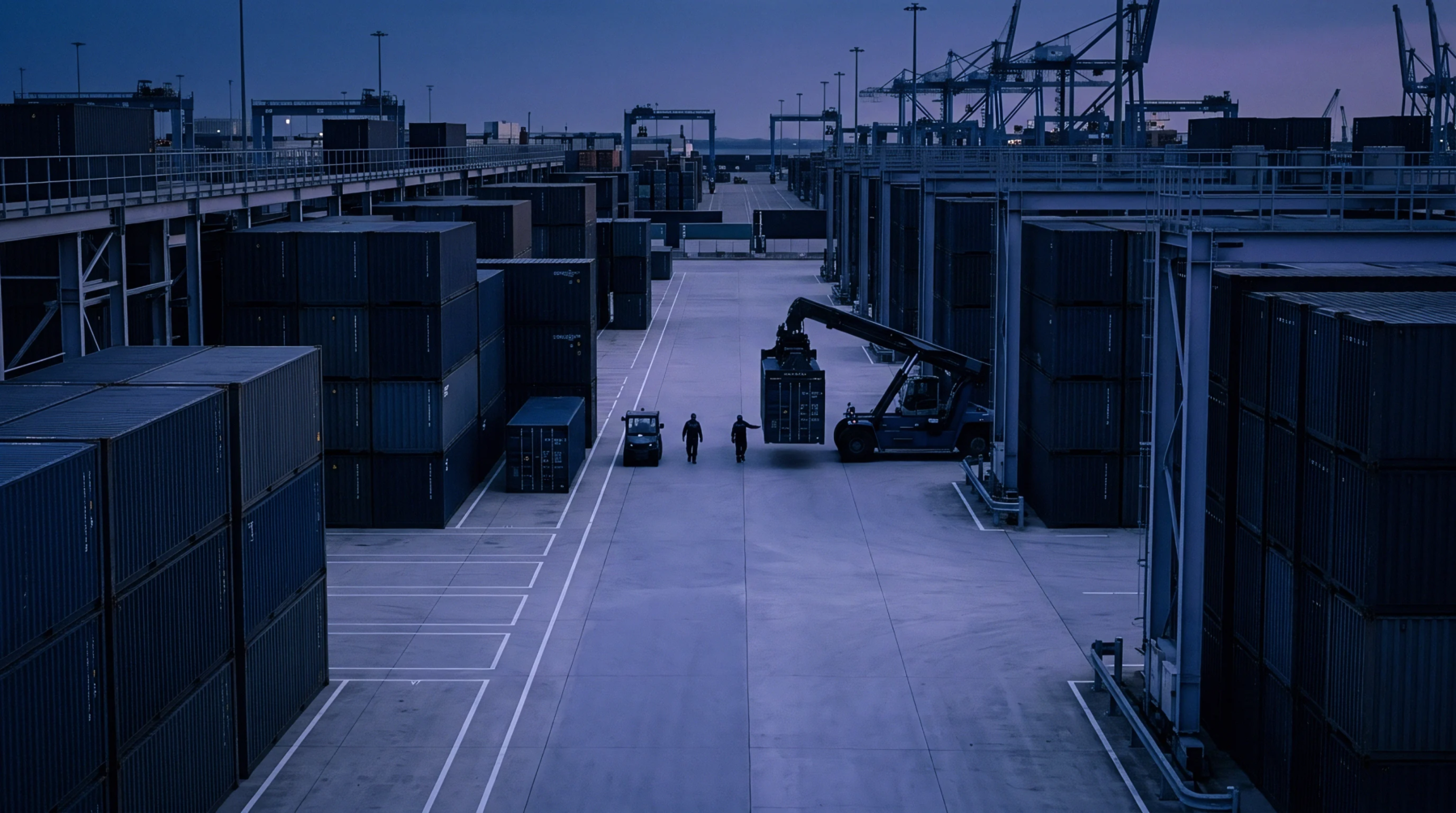
Global Port Congestion Hits Record High Tightening Container Slot Capacity
Delayed containership capacity reduces spot market options and forces buyers to extend lead times by seven to ten days.
Delayed containership capacity reduces spot market options and forces buyers to extend lead times by seven to ten days.

Carriers prioritizing high-yield lanes drive a fifty percent spike in Asia to South America freight rates.
Rates fall as carriers balance overcapacity with cooling demand before the annual contract season begins.

A wide coast-to-coast ocean rate spread offers major savings for buyers shifting cargo overland from the West Coast.
Routing cargo through the US West Coast saves three thousand dollars per container compared to East Coast ports.
Global port congestion stranded capacity reaches record highs, requiring buyers to build longer lead times into order books.
Prolonged berth queues reduce vessel productivity, forcing buyers to extend order lead times as carriers manage tight capacity.

Buyers face increased lead times as carriers divert ships from Indian terminals toward high-revenue East-West trade routes.

Buyers face imminent surcharges and rerouting delays as port worker contract negotiations stall ahead of October 1.
Sourcing desks face rising transatlantic freight costs as carriers introduce peak season surcharges despite declining volumes.
Expect delayed shipments and high spot freight rates as severe port delays lock up twelve percent of global vessel capacity.

Rising port congestion locks up vessel capacity as terminals prioritize cost over resilience, driving transit delays higher.
Record delays tie up 4.3 million TEUs of shipping capacity, raising contract and spot rates for global buyers.
Vessel delays in Northern Europe eat transatlantic shipping capacity and force buyers to adjust lead times

Spot container prices drop across major routes as vessel supply stabilizes and front loaded cargo volumes dissipate.

Slowing consumer demand triggers surcharge cancellations on routes from Asia to Europe, lowering landed container prices.
Typhoon congestion and blank sailings push transpacific spot rates up twelve percent, tightening open vessel space.

Maersk will impose a fifteen hundred dollar emergency surcharge on shipments from South Asia to South Africa.
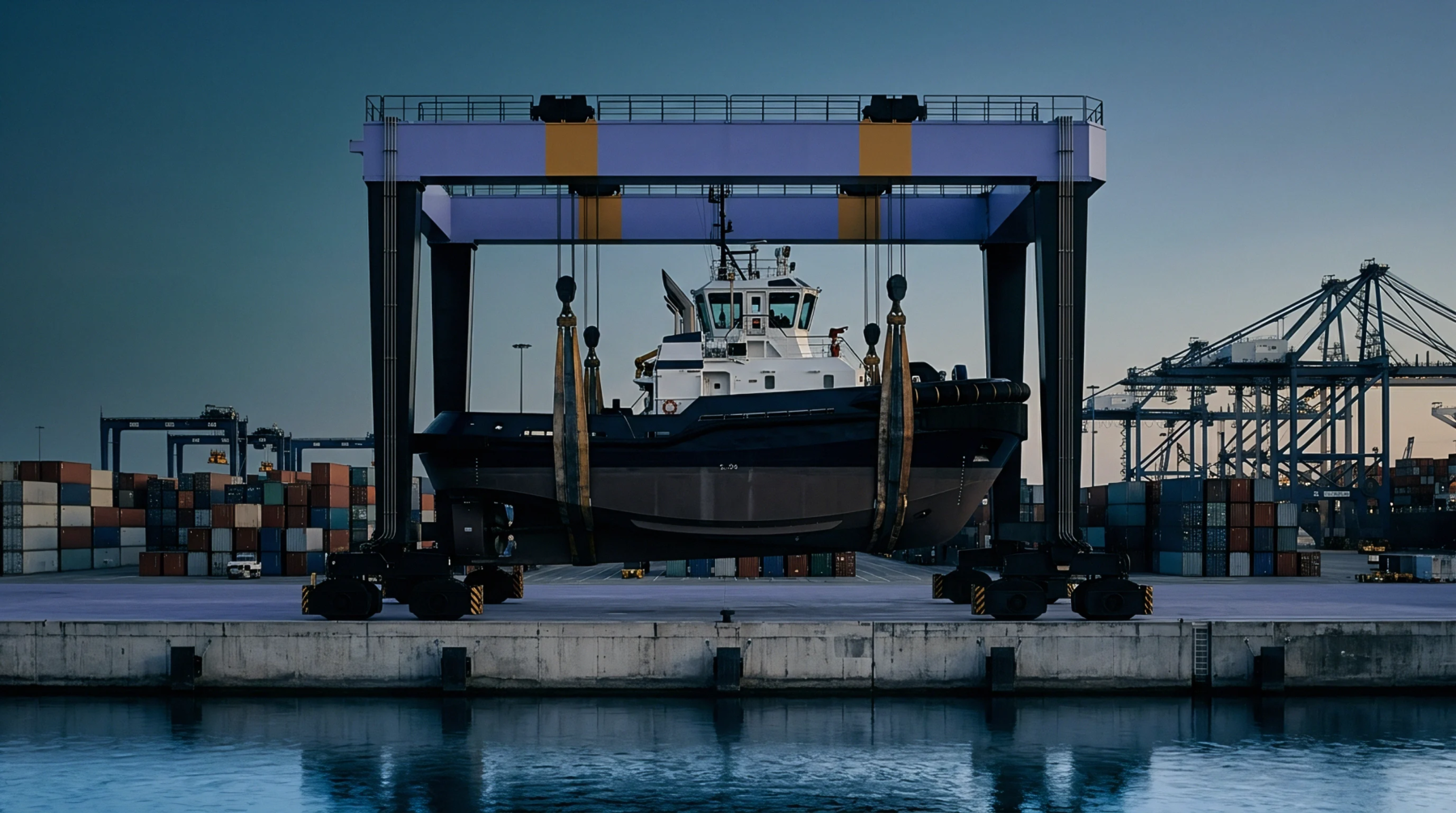
China typhoon disruptions push port congestion to historic highs, tightening transpacific space and supporting spot rates.
Expertise is a utility, not a secret. sentiention™ publishes its working knowledge as open reference: intelligence layer covering the materials it sources, the markets it enters, and the reference that serves both.