Carrier Capacity Rationing Drives South American Container Rate Surge

Selective capacity rationing has spiked Shanghai to Santos rates by over 50 percent, forcing buyers to secure contract space.

05.09.26 2 min

Briefing

Carriers are rationing capacity and blanking sailings on South American trade lanes, driving a sharp divergence from the softening seen on European routes. This supply squeeze leaves procurement desks absorbing ballooning spot rates or accepting delayed shipments as carriers redirect vessels to maximize yields. The primary indicator of this shift is the Shanghai-to-Santos freight rate, which surged 52.5 percent to 9,188 dollars per forty-foot equivalent unit in less than thirty days.

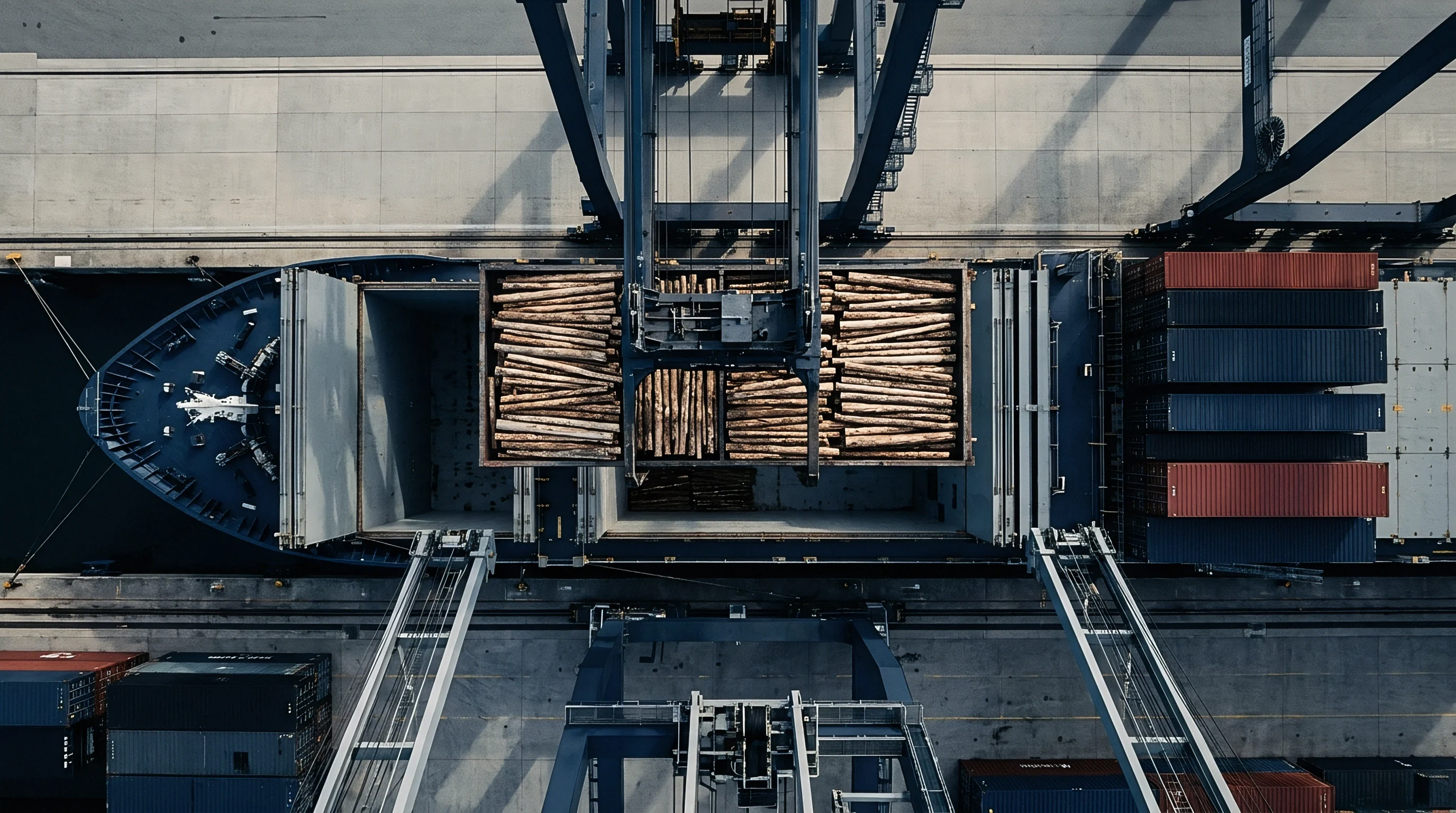
A canvas carrier and an industrial lamp hang from a rope system over an inclined concrete pathway within a utilitarian building.

Context

Sourcing teams had anticipated broad, oversupply-driven rate relief across all trade lanes as massive global vessel deliveries came online. With Asia-to-Northern Europe spot rates already falling, the expectation was that lower pricing would spread to secondary routes. Procurement desks were watching to see when post-peak summer corrections might ease the pressure on South American and intra-regional shipments.
A dark blue corrugated steel shipping container stands behind a black steel mesh pallet cage and a suspended wooden rung rope ladder.

Analysis

Ocean carriers are protecting revenue through targeted blank sailings, actively moving capacity into higher-yield corridors. South American trade lanes bear the brunt of this shift, where reroutings around the Cape of Good Hope already demand longer transit times. The resulting supply shock hits buyer balance sheets directly.

When bookings clear, procurement desks face spot rates that have surged in a matter of weeks. When space is unavailable, cargo sits at origin terminals, lengthening lead times. Layered surcharges further drive up landed costs, showing that fleet expansion alone does not guarantee cheaper freight.
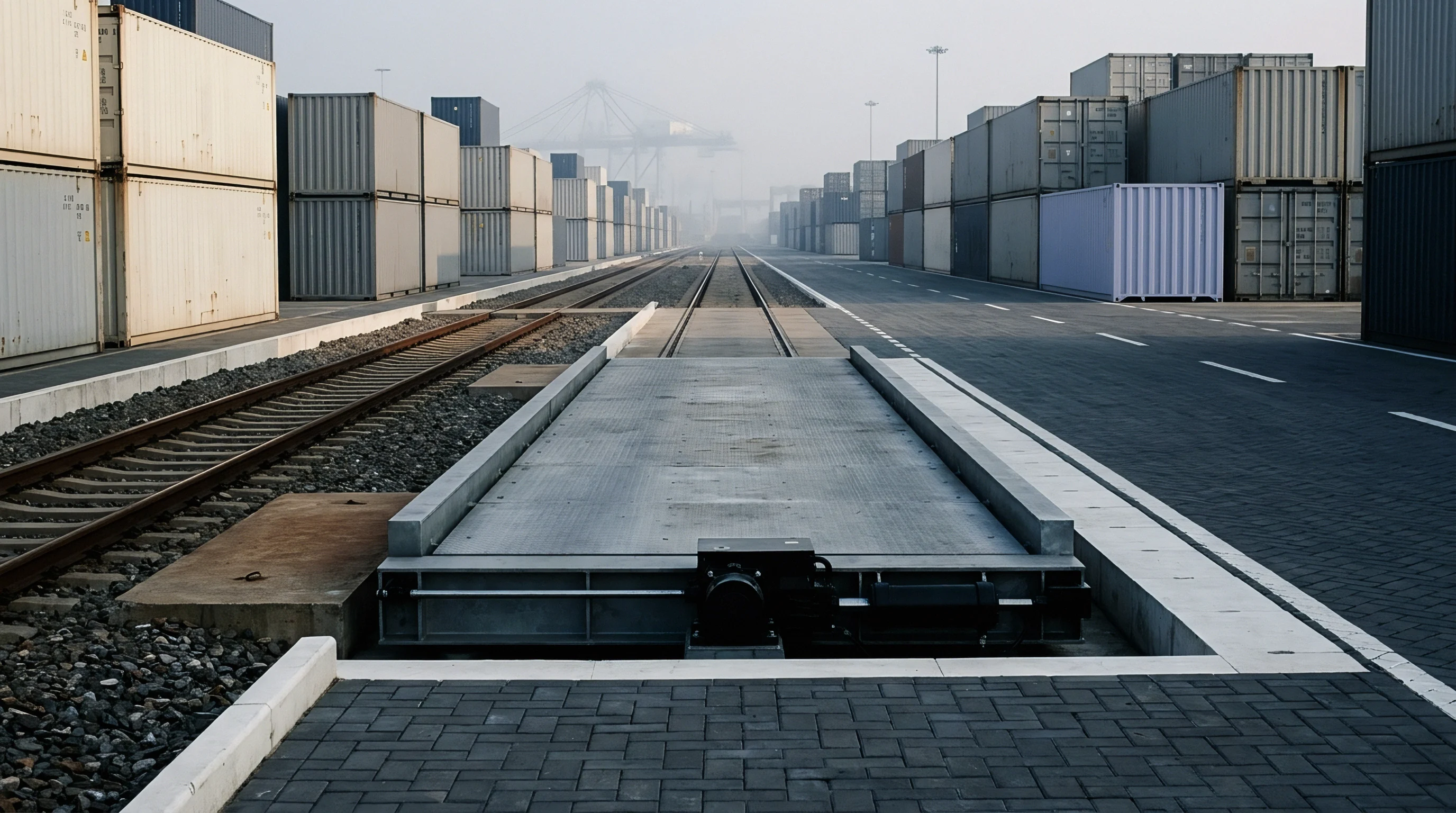
A digital render of an industrial intermodal freight yard containing a central weighbridge flanked by railway tracks and stacked shipping containers.

Parameters

  • Shanghai-to-Santos Rate ~ 9,188 USD per FEU, a 52.5 percent surge within one month.
  • South America West Coast Rate ~ 7,870 USD per FEU, up 53.7 percent.
  • Shanghai-to-Rotterdam Rate ~ 4,452 USD per FEU, down 7.5 percent, illustrating the widening lane divergence.
  • Fleet Capacity Expansion ~ 3.6 percent global fleet growth in 2026, neutralized by carrier blanking strategies.

An illuminated data display module containing ascending wooden height blocks stands on a concrete industrial lock platform above dark water channels.

Outlook

Continued capacity discipline will likely keep South American spot rates elevated through the fourth quarter of 2026. Buyers should track the Shanghai Containerized Freight Index for South American routes in late October. Any leveling off or decline during the post-Golden Week slack period will show whether carrier capacity adjustments are starting to unwind.

Mechanical testing apparatus secures a glass container holding a fine particulate sample inside a production laboratory facility.

Verdict

Sourcing teams must drop expectations of a uniform global rate decline and secure long-term contract rates to shield South American shipments from spot volatility.

Signal Acquired from: Bertling Group

Nomenclature

Ocean Freight

Cargo Movement ~ Maritime transport provides the primary physical capacity for moving heavy industrial goods and bulk commodities across international waters on scheduled vessel routes.

Trade Lanes

Route Geometry ~ Scheduled maritime paths define trade lanes through fixed ocean corridors connecting major container ports across hemispheres.

Blank Sailings

Service Withdrawal ~ The intentional cancellation of scheduled ocean transport services allows carriers to manage vessel capacity and stabilize freight rates during periods of low demand.

Carrier Yield Management

Revenue Optimization ~ Strategic allocation of cargo space across varying price tiers represents the primary mechanism for maximizing profitability in the liner shipping industry.

Spot Rates

Pricing Mechanism ~ Immediate market transactions define spot rates by tying cargo movement to current vessel availability rather than long-term volume commitments.

South American Trade Lanes

Maritime Connectivity ~ Ocean shipping corridors linking East and West coast ports of South America to North American and Asian trade partners move raw materials and agricultural exports.

Cargo Routing

Logistical Path ~ Directional planning for movement governs how a shipment travels through a multimodal network between the origin and the final destination to minimize transit duration.

Contract Negotiation

Bargaining Framework ~ Strategic dialogue between parties initiates the formal process of establishing terms for a commercial exchange.

Shipping Lead Times

Transit Duration ~ Logistics performance measurement tracks the elapsed interval between the placement of a purchase order and the receipt of goods at the designated facility.

South American Trade

Regional Flow ~ Ocean freight lanes and overland transport corridors move agricultural commodities and mineral ores between Latin American economies and global markets.

Container Rates

Freight Pricing ~ Standardized ocean freight charges measure the cost of moving standardized intermodal units between ocean origin ports and destination ports.

Capacity Rationing

Allocation Mechanism ~ Operational supply management practices withhold transport space or manufacturing output when demand exceeds available physical throughput.

What the firm knows, published

Expertise is a utility, not a secret. sentiention™ publishes its working knowledge as open reference: intelligence layer covering the materials it sources, the markets it enters, and the reference that serves both.