
Plunging Global Vessel Reliability Extends Ocean Freight Import Lead Times
August vessel on-time performance sank to twenty-nine percent, requiring buyers to add substantial lead-time buffers.
August vessel on-time performance sank to twenty-nine percent, requiring buyers to add substantial lead-time buffers.

Sourcing teams face divergent route pricing as transpacific container spot rates rise while Asia Europe rates continue to drop

Carriers prioritizing high-yield lanes drive a fifty percent spike in Asia to South America freight rates.
Selective capacity rationing has spiked Shanghai to Santos rates by over 50 percent, forcing buyers to secure contract space.
Typhoon delays at Shanghai and Ningbo push berthing waits to ten days, trapping eleven percent of global vessel capacity.

Importers face higher costs and delays as carriers cancel transpacific sailings to manage capacity.

Ocean spot rates fell ten percent this week as capacity increases and immediate front-loading demand settles for US buyers.
Global port congestion stranded capacity reaches record highs, requiring buyers to build longer lead times into order books.
Prolonged berth queues reduce vessel productivity, forcing buyers to extend order lead times as carriers manage tight capacity.

Sea-Intelligence reports carriers blanked up to fourteen percent of capacity, turning blank sailings into a permanent control tool.

Expect delayed shipments and high spot freight rates as severe port delays lock up twelve percent of global vessel capacity.

Rising port congestion locks up vessel capacity as terminals prioritize cost over resilience, driving transit delays higher.
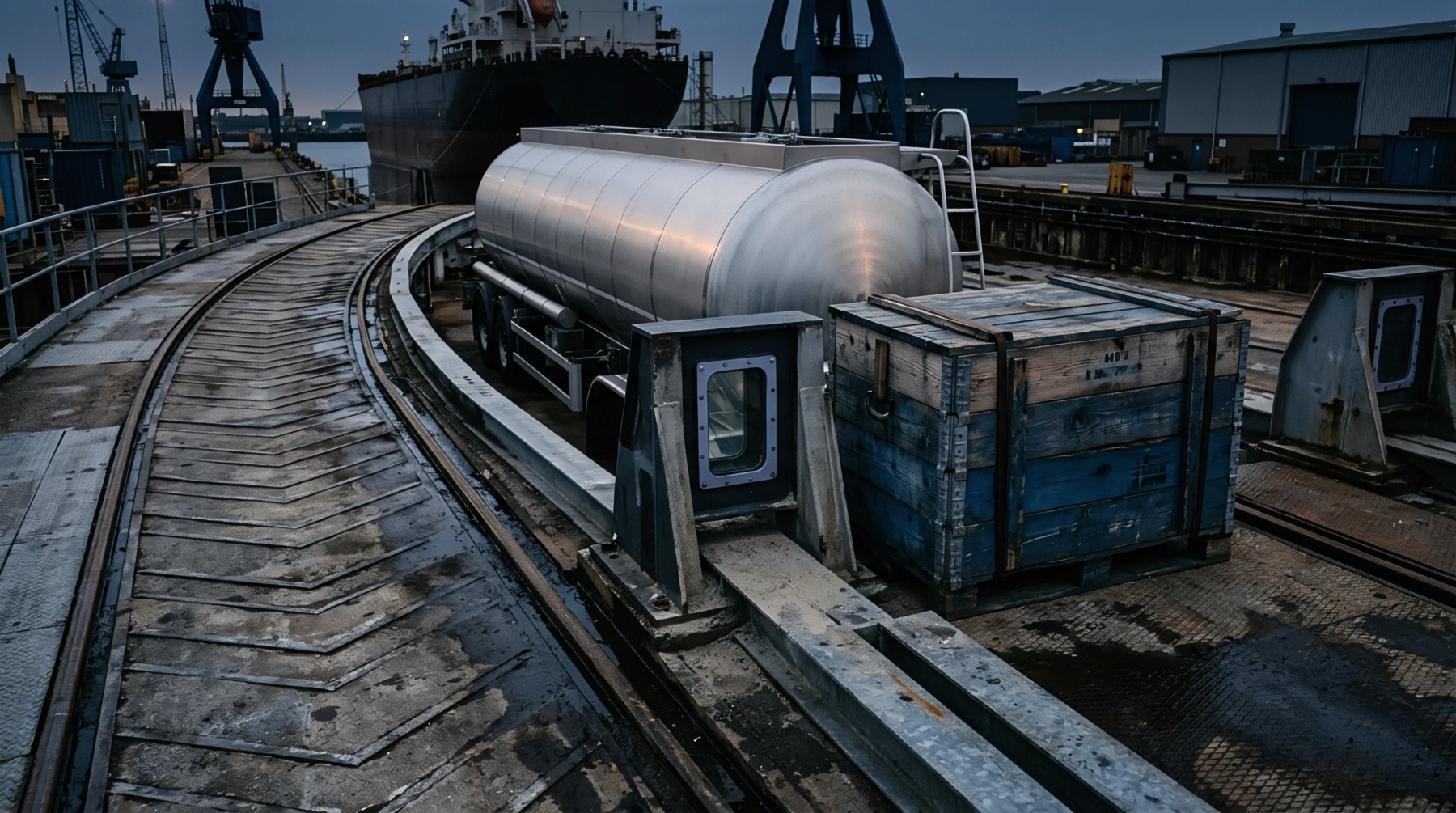
Record delays tie up 4.3 million TEUs of shipping capacity, raising contract and spot rates for global buyers.
Vessel delays in Northern Europe eat transatlantic shipping capacity and force buyers to adjust lead times

Slowing consumer demand triggers surcharge cancellations on routes from Asia to Europe, lowering landed container prices.
Typhoon congestion and blank sailings push transpacific spot rates up twelve percent, tightening open vessel space.

Sourcing teams must plan for a massive expansion in ocean vessel capacity that will eventually drive down long-term rates.
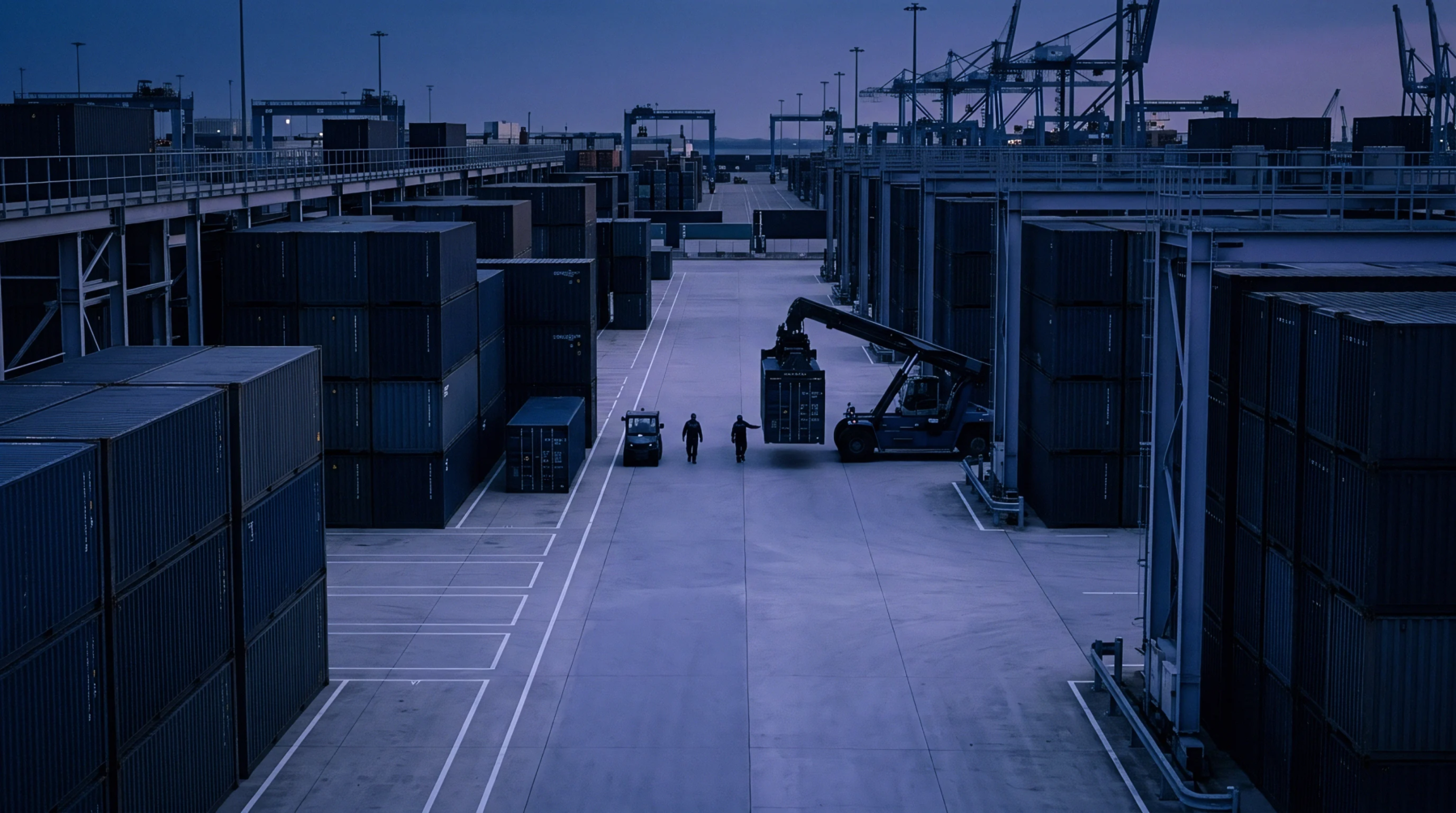
Delays at major global ports tie up record shipping volume, reducing available ship space and driving up ocean spot rates.
Expertise is a utility, not a secret. sentiention™ publishes its working knowledge as open reference: intelligence layer covering the materials it sources, the markets it enters, and the reference that serves both.