Ocean Freight Rates to South America Surge Squeezing Importer Delivery Budgets

Carriers prioritizing high-yield lanes drive a fifty percent spike in Asia to South America freight rates.

06.09.26 2 min

Briefing

Ocean carriers are pulling vessel capacity and running blank sailings to favor higher-yield trades, pushing spot container rates from Asia to South America up by more than fifty percent in August 2026. This has created a split market: South American importers face steep price increases while European corridors continue to soften. Sourcing desks moving components along these routes face higher landed costs alongside longer transit times caused by reroutings around Africa. On the Shanghai-to-Santos lane, spot pricing jumped 52.5% in a single month to reach USD 9,188 per forty-foot equivalent unit.

A white folded container and brass couplings rest beside a vertical metal guide post feeding a dark polymer sheet across an industrial room.

Context

Before this spike, procurement managers had expected incoming global fleet deliveries to bring broad rate relief across all trades. Desk analysts tracked mega-vessel additions expecting them to cool pricing globally, leading some sourcing teams to delay contract commitments in hopes of securing cheaper spot rates later in the season.

Cardboard packages move along intersecting industrial conveyor belts inside a heavy manufacturing plant with overhead machinery.

Analysis

The rate surge comes down to deliberate capacity management. Lines are managing fleets like a grid, shifting vessels and equipment out of weaker corridors into higher-paying trades. Blank sailings and skipped calls create spot deficits at origin ports, leaving booked freight stranded on docks while shippers bid for remaining space, adding surcharges that quickly run up landed costs.
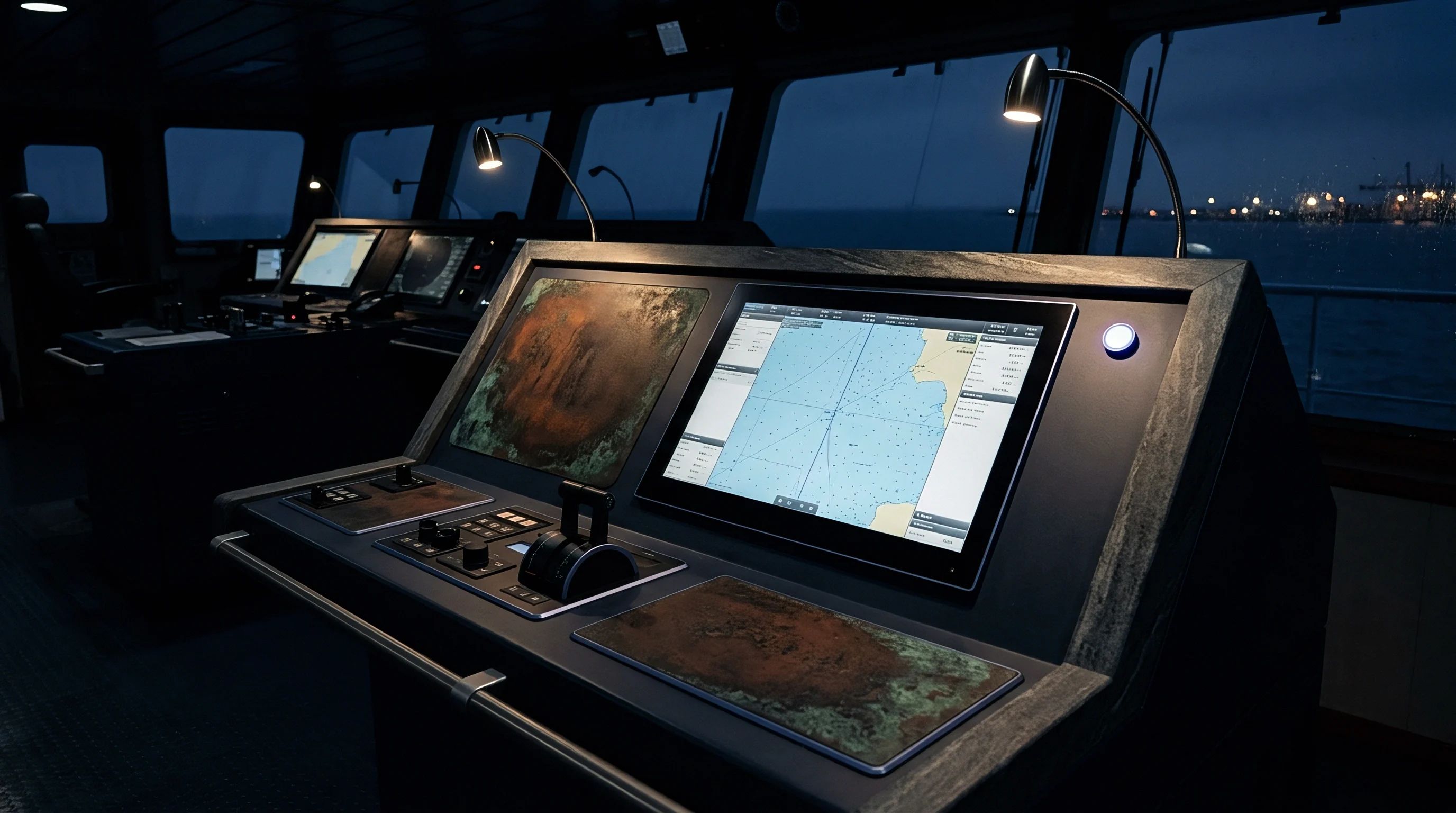
Marine navigation electronics and digital chart displays illuminate a dark ship bridge overlooking coastal waters during evening operations.

Parameters

  • Shanghai-to-Santos Rate ~ USD 9,188 per forty-foot equivalent unit, a 52.5% increase from the prior month of August 2026.
  • South America West Coast Rate ~ USD 7,870 per forty-foot equivalent unit, reflecting a 53.7% price jump over the same period.
  • Shanghai-to-Rotterdam Rate ~ USD 4,452 per forty-foot equivalent unit, down 7.5% as carriers shifted capacity to more lucrative routes.
  • Vessel Blank Sailings ~ 6% to 8% of East-West capacity withheld by carriers to protect rate levels.
Fabricated metal industrial machinery rests on a flatbed trailer parked before massive concrete cooling towers at a production facility.

Outlook

In the coming weeks, lane divergence will test carrier discipline as elevated South American rates attract tonnage back into the region. Buyers should monitor the Drewry Intra-Asia Container Index and carrier blank sailing notices through September 2026. If blank sailings stay at current levels, high spot rates will persist, requiring adjustments to quarterly landed cost budgets and origin port selections.
A large steel hydraulic barrier stands open on a stone concrete pier with shipping cranes and freight containers in the distance.

Verdict

Buyers must drop assumptions of a uniform global rate decline, assess each lane independently, and secure alternative routings or capacity guarantees immediately.

Signal Acquired from: Bertling Group

Nomenclature

Maritime Trade Routes

Lane Geometry ~ Geopolitical stability and physical geography dictate maritime trade routes, governing the transit of bulk commodities and manufactured goods across oceans.

Ocean Freight

Cargo Movement ~ Maritime transport provides the primary physical capacity for moving heavy industrial goods and bulk commodities across international waters on scheduled vessel routes.

Port Congestion

Systemic Bottleneck ~ Marine transit interruption occurs when vessel arrival volume exceeds the capacity of terminal infrastructure to process cargo, leading to extended wait times at anchorage or within berths.

Supply Chain Bottlenecks

Flow Restriction ~ Specific points of congestion in a production or distribution network where demand exceeds processing capacity create slowdowns in the movement of goods.

Transpacific Trade

Maritime Route ~ Transpacific trade defines the massive movement of manufactured goods and raw materials across the Pacific Ocean, bridging the production centers of East Asia with the consumer markets of North America.

Spot Freight Rates

Market Price ~ Transactional charges for immediate cargo movement define this pricing mechanism.

Shipping Surcharges

Tariff Mechanism ~ Ocean and land carriers levy supplementary fees on top of base freight rates to recover unpredictable operational expenditures.

Blank Sailings

Service Withdrawal ~ The intentional cancellation of scheduled ocean transport services allows carriers to manage vessel capacity and stabilize freight rates during periods of low demand.

Container Shipping

Freight Methodology ~ Standardized modular transport utilizes intermodal metal units to move goods across global trade routes.

Ocean Logistics

Marine Transit ~ Global trade movement relies on the systematic coordination of cargo across international waters to maintain supply chain continuity.

What the firm knows, published

Expertise is a utility, not a secret. sentiention™ publishes its working knowledge as open reference: intelligence layer covering the materials it sources, the markets it enters, and the reference that serves both.