Rising Middle East Conflict Reverses Air Freight Contract Rate Estimates

Shippers face contract price increases up to 15 percent as airline route closures reduce global belly capacity.


29.08.26 2 min

Briefing

The collapse of the Middle East ceasefire and renewed hostilities between the United States and Iran have disrupted global air cargo corridors, forcing analysts to reverse earlier projections of falling contract prices. Freight analytics firm Xeneta reports that long-term air freight contract rates will rise by 5 to 15 percent in 2026, wiping out an expected 5 to 10 percent price drop. Rerouting flights around Middle Eastern airspace has driven up operating expenses and jet fuel prices. Buyers face immediate price increases on direct long-haul routes and tighter belly-hold capacity between East Asia and Europe. In total, 12 percent of global air cargo capacity was abruptly pulled from the market.

A dark digital render features a miniature cargo vessel suspended above a reclining figure beside a podium against a dark background.

Context

Sourcing desks entered the year expecting market normalization, anticipating that expanding international passenger flights would restore belly-hold capacity and push contract pricing down by nearly a tenth. Transport budgets assumed the freight market would settle into predictable patterns, letting companies shift volume from the volatile spot market back to stable, multi-month contracts.

An illustration features a wooden gavel on a circular sound block surrounded by raw timber sections, steel components, ceramic parts, and quartz minerals.

Analysis

The conflict has forced airlines to avoid Middle Eastern hubs and airspace, adding hours to flight paths and burning significantly more fuel. Longer routes directly reduce payload capacity, as planes must load extra fuel at the expense of commercial cargo. At the same time, rapid growth in semiconductor and artificial intelligence hardware shipments from East Asian manufacturers is absorbing remaining hold space. With high-tech shipping demand strong and cargo supply shrinking, airlines are pushing contract shippers for higher rates.
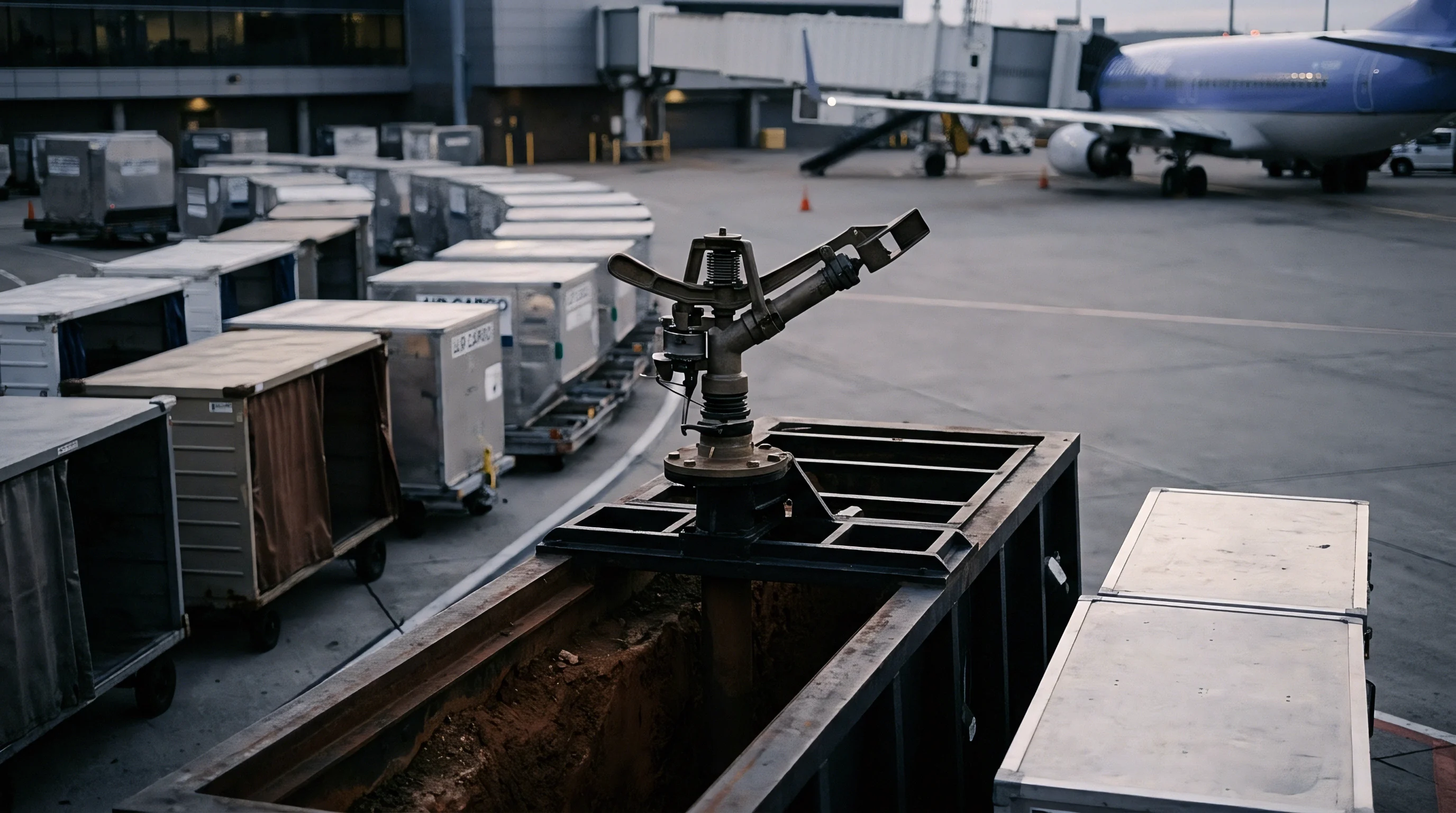
Heavy duty industrial irrigation equipment stands beside stacked unit load devices on service carts across an active airport cargo apron.

Parameters

  • Revised Contract Rate Forecast ~ An increase of 5 to 15 percent for long-term contract rates, reversing previous forecasts of a 5 to 10 percent decrease.
  • Immediate Capacity Reduction ~ 12 percent of global air cargo capacity was removed from service following the onset of the hostilities.
  • Aviation Fuel Cost Inflation ~ Fuel prices have risen, adding immediate operational surcharges to shipper invoices.
  • Asia-Europe Flight Route Interruption ~ Before the escalation, approximately one-third of air cargo flying between Asia and Europe moved through Middle Eastern transit points.
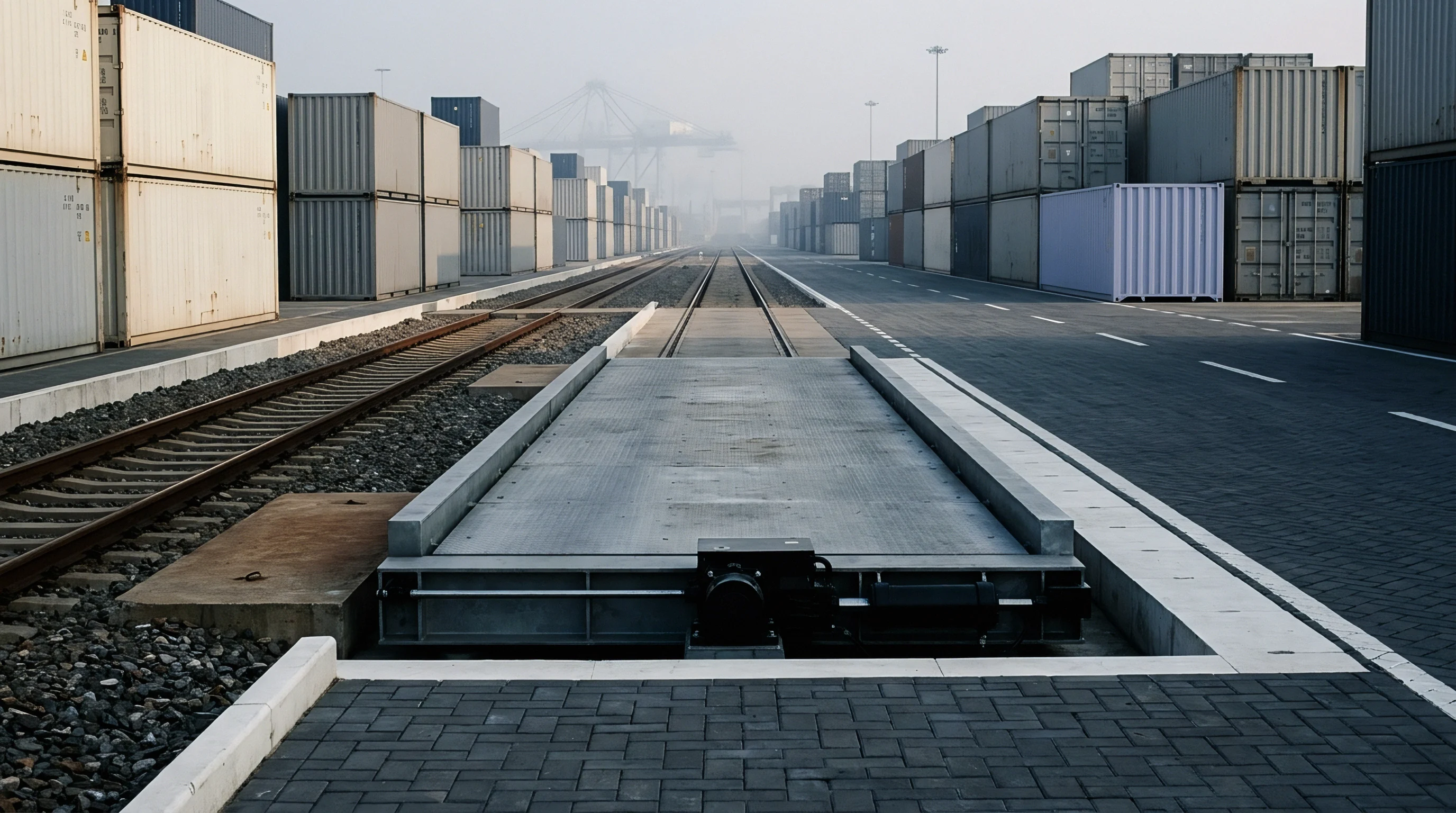
A digital render of an industrial intermodal freight yard containing a central weighbridge flanked by railway tracks and stacked shipping containers.

Outlook

Shippers must monitor air corridor negotiations and carrier flight schedules in October, when many international airlines decide whether to prolong flight suspensions. Prolonged suspensions will lock in double-digit contract price increases through the year-end peak season, when consumer electronics and industrial manufacturing shipments traditionally strain transport capacity.

Raw jute sacks of agricultural commodities rest beside black plastic crates inside a spacious industrial warehouse during inventory processing.

Verdict

Buyers should lock in current contract rate offers before carriers apply further escalation clauses and energy surcharges to upcoming freight agreements.

Signal Acquired from: FreightWaves

Nomenclature

Transpacific Trade Lanes

Freight Routing ~ Ocean corridors connecting Asian manufacturing centres with North American distribution hubs form the structural geometry known as transpacific trade lanes.

Belly Capacity Constraints

Space Limitation ~ Air cargo management divides available payload volume between dedicated main decks and the underfloor holds of passenger aircraft.

Air Freight Contracts

Commercial Instrument ~ Bilateral service agreements executed between shippers, freight forwarders and air carriers establish forward cargo capacity and transportation pricing across designated international aviation lanes.

Spot Rate Volatility

Price Dispersion ~ Daily fluctuations in the cost to secure immediate shipping capacity represent the primary financial metric for evaluating short-term logistics risk.

Electronics Supply Chain

Component Flow ~ A structured sequence of procurement, manufacturing, and distribution activities manages the assembly of active and passive parts required for modern hardware production.

Routing Delays

Transit Interruption ~ Logistics networks calculate a specific temporal variance when freight units move across non-linear paths between primary hubs and final destinations.

Aviation Fuel Surcharges

Price Adjustment ~ Variable cost adjustments represent a secondary fee applied by air carriers to recover the fluctuating expense of kerosene based jet fuel.

Air Transport Capacity

Freight Allocation ~ Dedicated cargo space available on commercial aircraft defines the total upper limit for air transport capacity in international supply chains.

Air Freight Surcharges

Financial Mechanism ~ Additional charges levied by carriers above base tariffs cover volatile operational expenses encountered during expedited modal transit.

Air Cargo Logistics

Transport Coordination ~ Aircraft capacity management defines air cargo logistics by balancing volume availability against fixed flight schedules and terminal handling limits.

Contract Rate Renegotiation

Pricing Adjustment ~ Commercial logistics arrangements rely on formal mechanisms to recalibrate shipping fees when carrier operational costs or route demand conditions shift away from the baseline established during original tender cycles.

Semiconductor Logistics

Specialized Transport ~ Precision supply chain operations involve the transport, storage and distribution of delicate silicon wafers and finished integrated circuits.

What the firm knows, published

Expertise is a utility, not a secret. sentiention™ publishes its working knowledge as open reference: intelligence layer covering the materials it sources, the markets it enters, and the reference that serves both.