Middle East Airspace Closures Push Air Freight Contract Rates Higher

Long-term air cargo contract rates are projected to rise up to fifteen percent as airspace closures reduce capacity [1.7, 1.12].


28.08.26 2 min

Briefing

Air freight analysts have reversed their full-year market outlook, projecting that long-term contract rates for air cargo will rise five to fifteen percent. The shift is forcing procurement desks to adjust budgets upward and secure capacity early for the remaining quarters of twenty twenty-six. Airspace closures and flight suspensions across the Middle East corridor drive the change, having instantly removed twelve percent of global air cargo capacity.

An executive meeting table displays diverse material samples, notebooks, and digital communication tools ready for product development and strategic sourcing discussions.

Context

At the start of the year, procurement desks expected air freight contract rates to fall five to ten percent as belly capacity returned to the market. Buyers watched shipping volumes move toward ocean freight, aiming for cheaper multi-month air agreements during the off-season. The main question was how quickly rates would drop back toward pre-pandemic baselines.

A dark digital render features a miniature cargo vessel suspended above a reclining figure beside a podium against a dark background.

Analysis

Regional conflict in late February forced immediate airspace and airport closures across the Middle East. Airlines suspended or rerouted flights through longer northern and southern corridors, driving up transit times and fuel expenditures. Longer routing increased fuel burn while cutting round-trip frequencies, and carriers delayed resuming scheduled services to key regional destinations, further tightening available space. That constrained capacity, paired with steady cargo demand, pushed spot rates higher and set elevated baselines for multi-month service contract negotiations.
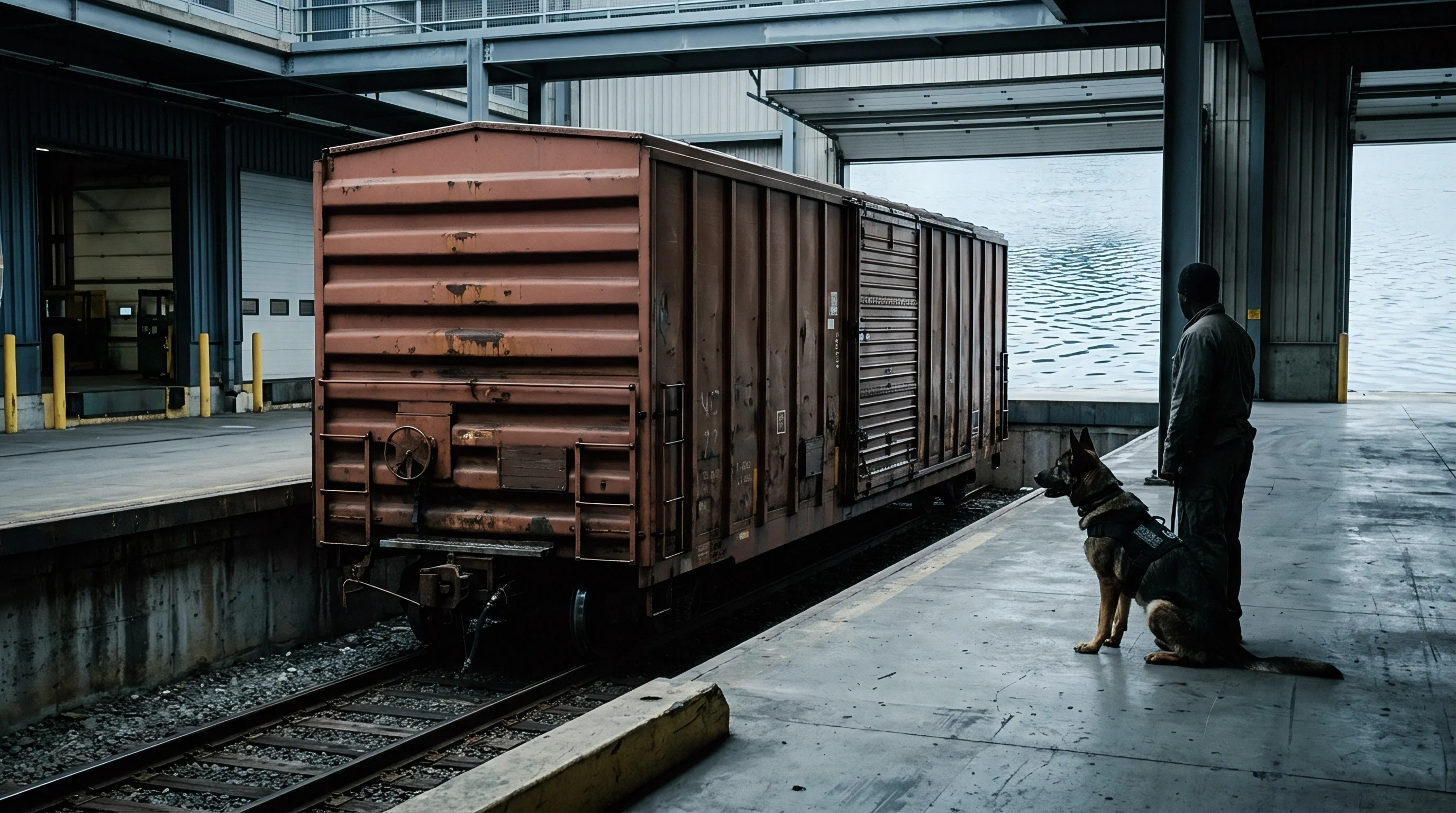
A rail freight boxcar waits on terminal tracks beside a concrete loading dock while a security handler and working dog stand nearby.

Parameters

  • Adjusted Contract Rate Forecast ~ A projected five to fifteen percent increase for full-year twenty twenty-six, reversing the initial projection of a five to ten percent decline.
  • Capacity Removed Overnight ~ Twelve percent of global air cargo capacity forced out of service due to immediate airspace closures.
  • First Half Rate Increase ~ Seventeen percent year-on-year growth in global air freight rates combining spot and contract pricing.
  • Spot Rate Peak ~ A forty percent year-on-year increase in global spot rates during May twenty twenty-six.

A digital cutaway model of a concentric freight transport hub sits indoors with railway tracks and cylindrical storage structures displayed clearly.

Outlook

In the coming quarters, procurement desks must track the upcoming fourth-quarter peak shipping season to see how carriers manage remaining capacity. Buyers should monitor the weekly Drewry Air Freight Index and cargo service updates from major Asian airlines for continued flight postponements. These signals will show whether capacity constraints stabilize or trigger further contract increases going into next year.

An illustration features a wooden gavel on a circular sound block surrounded by raw timber sections, steel components, ceramic parts, and quartz minerals.

Verdict

Sourcing teams must lock in air cargo capacity early and prepare for higher contract rates as airspace closures keep global capacity tight.

Signal Acquired from: Xeneta

Nomenclature

Transport Procurement

Carrier Selection ~ Commercial purchasing of freight capacity involves buying space on ships, planes, trucks and trains through contractual agreements between shippers and service providers.

Freight Forwarding Costs

Logistics Expenditure ~ Logistics expenditure covers the aggregate price paid to intermediaries who manage the movement and documentation of cargo across international or domestic supply chains.

Charter Flight Pricing

Exclusive Valuation ~ Expenses associated with the private hire of a freight aircraft reflect the total cost of the round trip rather than a per kilogram rate.

Cargo Capacity Shortages

Physical Constraint ~ Unfilled container slots and vessel deck limitations restrict ocean and air freight movement when seasonal demand peaks outstrip available carrier resources.

Transpacific Cargo Lanes

Ocean Corridor ~ Maritime freight routing between Asian manufacturing hubs and North American consumption centres constitutes transpacific cargo lanes, which govern high-volume containerized maritime trade across the northern Pacific basin and cease to apply past regional distribution nodes.

Air Cargo Surcharges

Supplemental Pricing ~ Variable fee components added to a base freight rate account for volatile operating expenses incurred by aviation carriers.

Supply Chain Planning

Operational Horizon ~ Forecasting protocols determine future material flows by reconciling historical consumption figures with contracted sales orders across fixed monthly intervals.

Air Freight Contracts

Commercial Instrument ~ Bilateral service agreements executed between shippers, freight forwarders and air carriers establish forward cargo capacity and transportation pricing across designated international aviation lanes.

Logistics Risk Management

Supply Disruption ~ Systematic observation of nodes and transit intervals defines logistics risk management.

Belly Hold Capacity

Space Allocation ~ Lower deck volume on commercial passenger aircraft provides dedicated cargo room beneath the main cabin floor for loose baggage and palletized freight.

Aviation Fuel Volatility

Vapor Pressure ~ Atmospheric pressure conditions and temperature gradients determine the rate at which fuel components transition from a liquid to a gaseous state.

Air Cargo Rates

Pricing Mechanism ~ Freight tariffs charged by commercial airlines and cargo carriers establish the monetary cost of transporting goods across international flight networks.

What the firm knows, published

Expertise is a utility, not a secret. sentiention™ publishes its working knowledge as open reference: intelligence layer covering the materials it sources, the markets it enters, and the reference that serves both.