CMA CGM Emergency Surcharges Raise Global Ocean Freight Costs

Buyers face immediate invoicing increases of up to 150 dollars per container as fuel surcharges spread across global routes.


29.08.26 2 min

Briefing

On August 1, 2026, ocean carrier CMA CGM introduced an Emergency Fuel Surcharge across all global trade lanes, raising freight costs immediately for procurement teams. Because the adjustment is tied to cargo loading dates rather than booking dates, shippers pay the higher rate on active shipments even if they secured quotes earlier. Applying to both dry and refrigerated containers, the surcharge passes the expense of re-routed sailings and higher marine fuel prices straight onto buyer invoices. Head-haul container shipments now incur an extra 150 dollars per twenty-foot equivalent unit.

A heavy rope and wooden ladder hangs against the weathered steel bulkhead of a commercial cargo vessel exterior deck.

Context

Before the surcharge took effect, procurement teams were tracking softening spot rates and stabilizing marine fuel prices. The main question was whether easing summer rate pressure would carry into autumn contracting, giving shippers room to negotiate lower baseline agreements. Most importers assumed market rates had peaked for the year and expected overall freight costs to drift down.
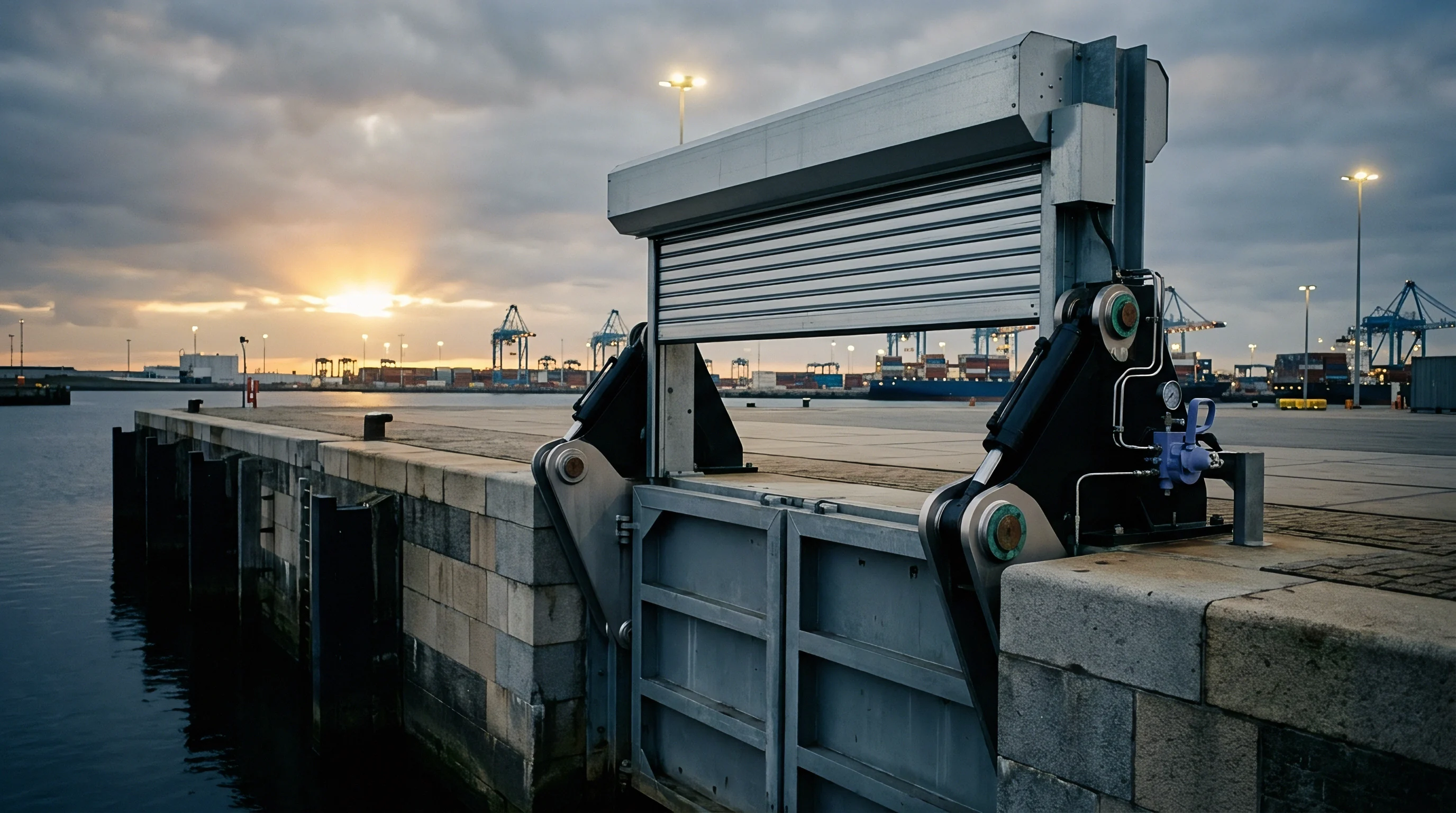
A large steel hydraulic barrier stands open on a stone concrete pier with shipping cranes and freight containers in the distance.

Analysis

Hostilities in the Strait of Hormuz drove the reversal, sending marine fuel prices higher after weeks of steady declines and prompting carriers to move quickly to protect margins. For cargo buyers, the surcharge functions essentially as a mid-transit fuel fee. Because the charge applies to the day of loading, shipments booked under older spot quotes still absorb the extra cost if they load after the cutoff date. The fee hits the final freight invoice as a non-negotiable line item, lifting landed costs across active trade corridors.
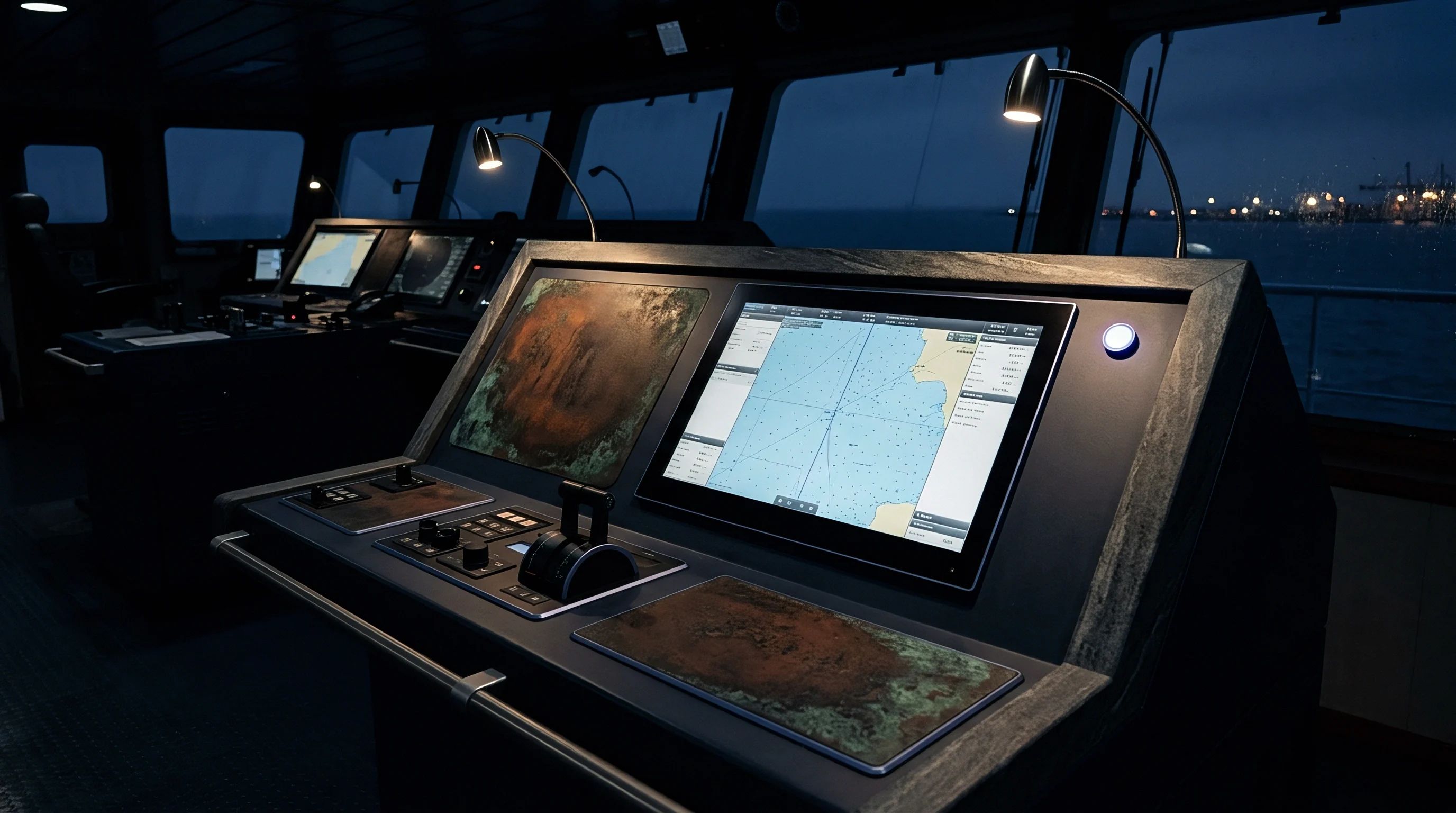
Marine navigation electronics and digital chart displays illuminate a dark ship bridge overlooking coastal waters during evening operations.

Parameters

  • Surcharge Rate ~ 150 dollars per twenty-foot equivalent unit across all head-haul trade routes.
  • Effective Date ~ August 1, 2026, based on the actual cargo loading date.
  • Back-Haul Fee ~ 75 dollars per twenty-foot equivalent unit on return leg routes.
  • Container Price Range ~ 65 to 165 dollars total surcharge depending on the specific trade lane and container type.

A heavy transport vehicle with a cylindrical storage tank stands parked on unpaved ground amid dark bulk material storage piles.

Outlook

Other major container carriers will likely introduce matching surcharges within the month to offset their own fuel costs. Buyers should monitor the Drewry World Container Index and upcoming tariff updates on September 1, 2026, to see whether these emergency fees remain standalone charges or get folded into broader general rate increases. If spot rates continue climbing alongside fuel expenses, procurement teams will need to budget for elevated landed costs through year-end.
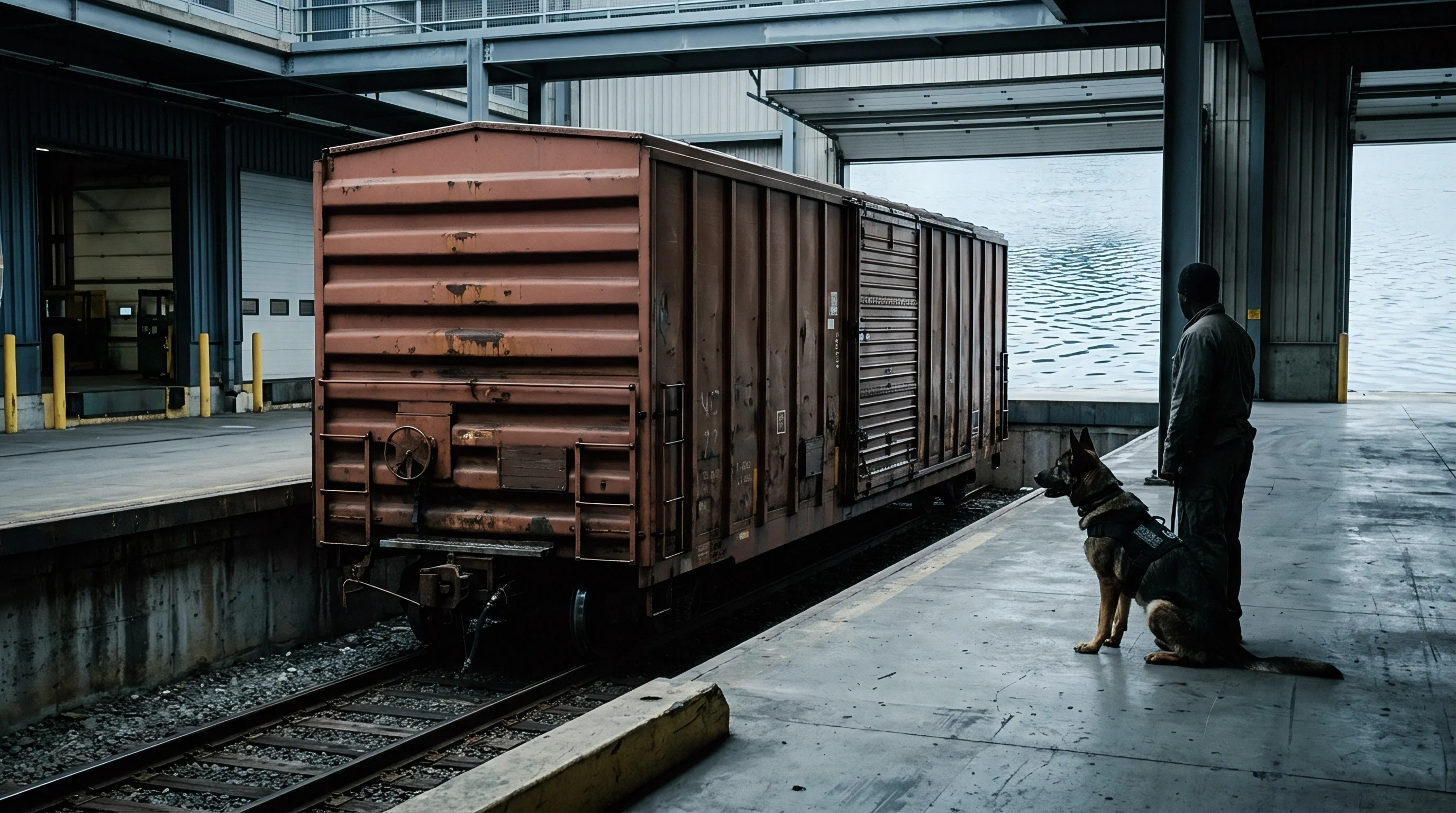
A rail freight boxcar waits on terminal tracks beside a concrete loading dock while a security handler and working dog stand nearby.

Verdict

Procurement teams must update landed cost models immediately to account for the new non-negotiable surcharge across all active container shipments.

Signal Acquired from: NavilinkGlobal Logistics News

Nomenclature

Drayage Expense

Haulage Cost ~ Transport charges associated with the short-distance hauling of ocean containers between marine terminals, rail ramps, and local warehouses constitute a specific category of ground freight pricing.

Trade Lane Economics

Maritime Valuation ~ Quantitative analysis of cargo transit corridors provides a financial framework for assessing the operational viability of shipping routes by correlating fixed infrastructure costs with variable fuel and crew outlays.

Supply Chain Disruption

Operational Shock ~ Financial exposure from freight interruption represents an unexpected stoppage in material movement that breaks scheduled procurement cycles across industrial networks.

Ocean Carrier Operations

Fleet Management ~ Practical execution systems coordinate the navigation, maintenance, cargo stowage, bunkering and terminal scheduling for commercial cargo vessels.

Emergency Fuel Surcharge

Crisis Levy ~ Ocean and surface carriers implement temporary fee adjustments to recover rapid increases in diesel and marine fuel costs.

General Rate Increase

Tariff Adjustment ~ Ocean carriers apply baseline upward adjustments to their freight rates to recover operational losses and restore market profitability.

Transpacific Shipping Lanes

Intercontinental Corridor ~ Ocean transport carriers move consumer electronics, automotive parts, and raw materials across the Pacific Ocean between major Asian ports and the North American West Coast.

Maritime Fuel Adjustments

Bunker Surcharge ~ Ocean transport carriers update their freight rates regularly to account for the price volatility of heavy fuel oil and low-sulfur distillates.

Container Shipping Costs

Freight Tariff ~ Financial outlays required to transport standardized twenty-foot and forty-foot metal boxes across ocean trade lanes constitute a primary variable in international trade budgets.

Ocean Freight Rates

Market Pricing ~ Base cargo transportation costs constitute a dynamic valuation metric determined by the available vessel capacity and the total volume of goods awaiting international transit between major maritime hubs.

Maritime Shipping Routes

Transit Corridor ~ Established pathways across oceans and seas used by commercial vessels to transport goods between global ports form the backbone of international trade.

Ocean Cargo Surcharges

Ancillary Fee ~ Additional payments levied by maritime carriers on top of the base freight rate represent a dynamic mechanism for recovering unexpected operational costs.

What the firm knows, published

Expertise is a utility, not a secret. sentiention™ publishes its working knowledge as open reference: intelligence layer covering the materials it sources, the markets it enters, and the reference that serves both.