Rising Philippine Ore Shipments Cap Global Refined Nickel Sourcing Costs
Alternative ore shipments prevent a refined metal shortage and keep stainless steel surcharges stable.


Briefing
LME benchmark nickel slipped to 16,570 dollars per metric ton on September 1, 2026, despite Indonesian caps on domestic ore quotas, as smelters offset local deficits with record imports from the Philippines. For industrial buyers, the rerouted ore flows keep refined metal costs capped and alloy surcharges flat. With Indonesian smelters taking in 11.4 million metric tons of Philippine ore over the first seven months of the year to run at capacity, procurement desks face little near-term risk of physical supply squeezes when locking in forward contracts.

Context
The shift follows Jakarta’s decision to lower the annual mining quota from 379 million metric tons to 270 million tons. Sourcing teams initially expected that a thirty percent drop in ore output from the world’s top producer would create a severe deficit in refined nickel, potentially draining exchange warehouses and driving prices back above 20,000 dollars per metric ton.
Analysis
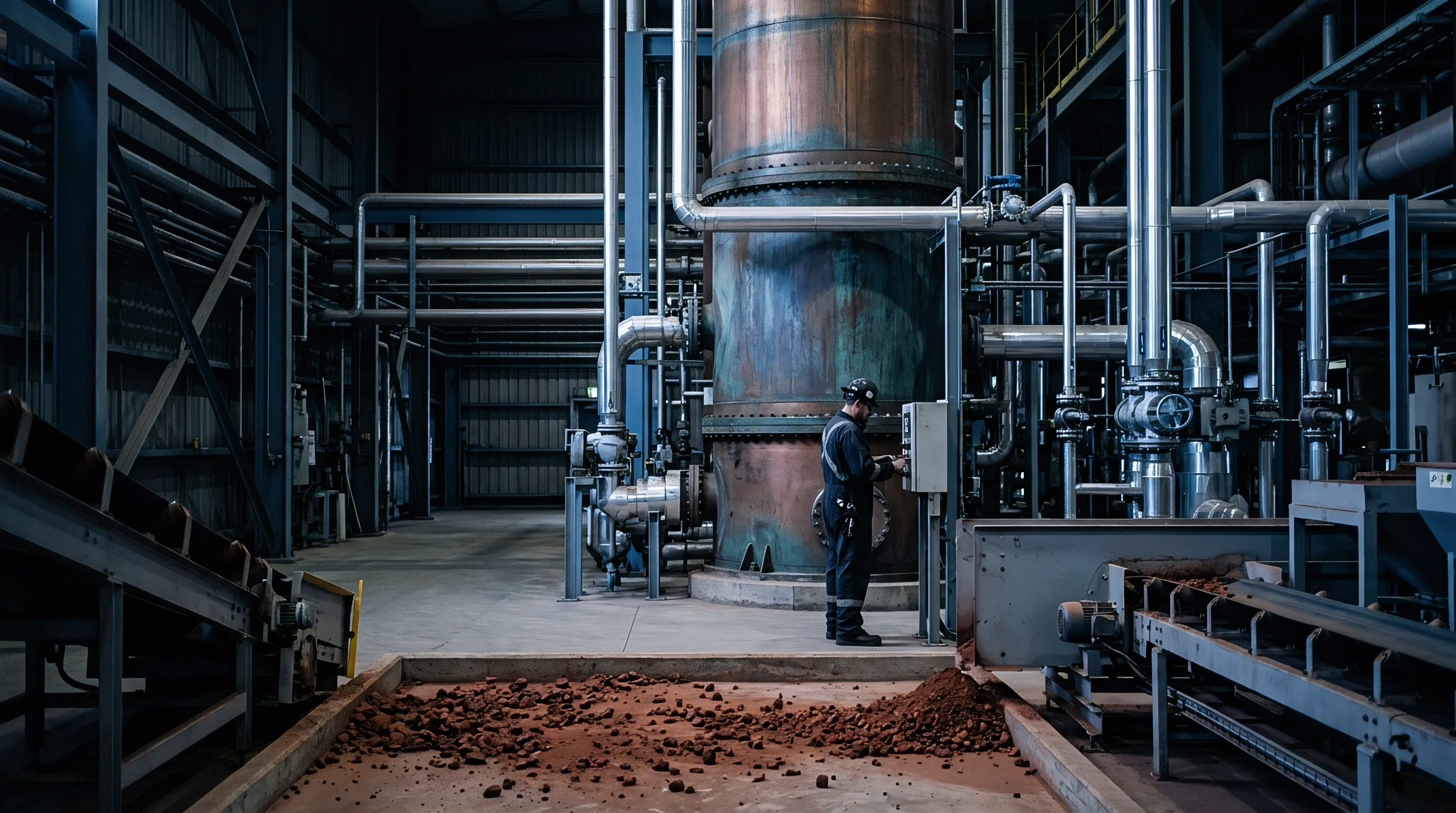
Prices softened because Indonesian processors worked around the domestic limits by taking in raw ore from the Philippines. That cross-border feedstock substitution relieved supply pressure before it could hit refined output, allowing rotary kiln electric furnaces to run at high utilization and keep shipping metal offshore. With London Metal Exchange warehouse stocks rising to 268,314 metric tons, the physical market is well-cushioned. The resulting surplus removes immediate alloy surcharge risks on stainless steel and gives buyers firmer leverage heading into contract negotiations.
Parameters
- Benchmark Price ~ 16,570 dollars per metric ton on September 1, 2026, reflecting persistent weakness in refined metal despite upstream mining curbs.
- Indonesian Ore Quota ~ 260 to 270 million wet metric tons for 2026, down roughly thirty percent from the prior year.
- Philippine Ore Imports ~ 11.4 million metric tons delivered to Indonesia from January to July 2026, bridging the local supply gap.
- LME Warehouse Inventories ~ 268,314 metric tons in August 2026, pointing to comfortable refined inventory levels.

Outlook
Over the coming quarters, balance in the market will hinge on whether Jakarta raises ore quotas or leaves the restrictions in place. Sourcing teams should track weekly London Metal Exchange inventory reports: a sustained drop below 250,000 metric tons would indicate genuine tightening in refined units, whereas steady or rising stocks will keep procurement costs subdued through the next contracting cycle.

Verdict
Procurement desks can lock in forward contracts at current levels; substitute ore shipments and solid warehouse inventories have largely neutralized upside price risk from Indonesia’s mining curbs.