Rising Silicon Wafer Prices Drive up Semiconductor Sourcing Costs

A broad price surge across silicon wafer sizes raises semiconductor costs, requiring urgent contract updates.
29.08.26 2 min

Briefing

Major silicon wafer manufacturers are raising prices across all sizes, ending a three-year stretch of flat pricing. Higher substrate costs are pushing chip prices up and stretching delivery lead times out to four months. Sourcing teams face repriced backlogs and shorter quote validity windows as wafer makers pass along rising utility and production expenses.

High-end wafers for artificial intelligence and high-bandwidth memory lead the increases, rising by up to 22 percent.
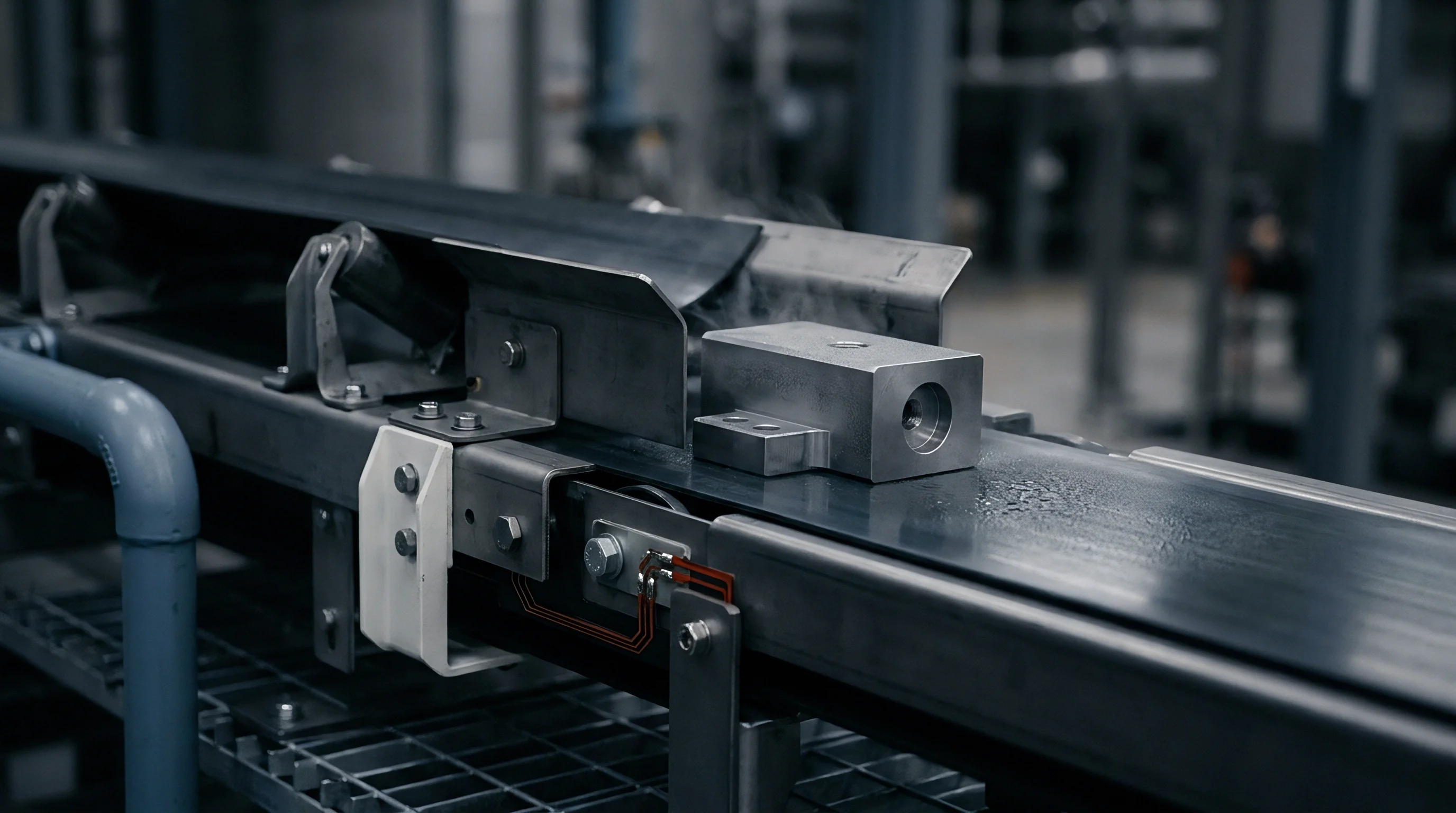
A machined metal component moves along a dark industrial conveyor belt inside a manufacturing facility during production operations.

Context

Procurement teams had expected wafer prices to remain depressed following two years of oversupply and heavy inventory drawdowns. Sourcing desks were tracking consumer electronics destocking to gauge when foundry utilization rates would return to historic baselines, primarily watching whether automotive and standard industrial chips could avoid the price spikes hitting high-performance computing.

A metallic industrial motor unit hangs from an overhead mechanical hoist inside a production testing facility before shipping.

Analysis

The shift is driven by the volume of raw silicon required for artificial intelligence applications. High-bandwidth memory chips stack multiple silicon dies and consume three times more wafer area than standard memory, pulling substrate supply away from baseline production. As manufacturers allocate line capacity to these higher-margin products, standard wafer volume tightens across 6-inch, 8-inch, and 12-inch lines.

That tighter balance gives suppliers the leverage to lift rates across the board. The higher costs move from ingot furnaces through semiconductor foundries, which pass them directly to buyers through higher component quotes and shorter bid validity windows.

A miniature industrial crane holding glass vials and a crucible stands beneath a heavy testing press inside a clean laboratory environment.

Parameters

  • AI-Specific Wafer Price Hike ~ An 18 to 22 percent increase for high-end wafers used in artificial intelligence hardware.
  • Standard Wafer Price Hike ~ A 10 to 15 percent increase across standard wafer sizes, including 6-inch and 8-inch lines.
  • High Bandwidth Memory Silicon Multiplier ~ High-bandwidth memory chips consume 3 times more silicon wafer area than standard memory.
  • Delivery Lead Times ~ Overseas order fulfillment periods have stretched to 3 to 4 months.
  • AI Server Silicon Consumption ~ Artificial intelligence servers require 3.8 times more 12-inch wafers than standard servers.

A human hand indicates a tiny white sphere positioned precisely within the links of a heavy industrial steel chain resting on a concrete floor.

Outlook

Elevated pricing is likely to persist across the semiconductor supply chain as wafer manufacturers work through order backlogs under long-term framework agreements. Sourcing managers should monitor upcoming fourth-quarter pricing negotiations between Taiwanese wafer producers and international chip foundries. Those talks will indicate whether standard 8-inch and 12-inch wafers face additional increases, pointing to a prolonged period of high input costs for industrial equipment manufacturers.

Raw jute sacks of agricultural commodities rest beside black plastic crates inside a spacious industrial warehouse during inventory processing.

Verdict

Procurement desks must lock in chip inventory through long-term contracts immediately and prepare for double-digit semiconductor cost increases as raw wafer price hikes work through the electronics supply chain.

Signal Acquired from: The Chosun Daily

Nomenclature

Semiconductor Manufacturing

Fabrication Process ~ Ultra-clean photolithographic patterning, chemical etching, ion implantation and thin-film deposition build microscopic integrated circuits onto high-purity silicon wafers.

Electronics Procurement

Component Acquisition ~ Industrial purchasing focused on specialized silicon chips and circuit assemblies governs component acquisition within high volume manufacturing supply chains.

Wafer Fabrication

Manufacturing Procedure ~ Sequence of chemical and physical processes executed to build integrated circuits on a semiconductor substrate is the central phase of microchip production.

Tech Manufacturing

Electronic Production ~ Specialized industrial sectors focus on the fabrication of high complexity electronics.

Raw Materials Pricing

Commodity Valuation ~ Market costs for the basic inputs used in the production of finished goods serve as the foundation for the entire industrial economy.

Long Term Agreements

Contractual Structure ~ Commercial arrangements known as long term agreements establish binding volume commitments and tiered pricing schedules over multi-year periods between industrial buyers and primary suppliers.

Silicon Wafers

Substrate Composition ~ Circular discs of purified crystalline structure provide the foundation for electronic circuit fabrication through photolithography and chemical deposition.

Integrated Circuits

Circuitry Architecture ~ Semiconductor materials facilitate the logic gates and memory pathways within an integrated circuits configuration.

Component Sourcing

Market Procurement ~ Material acquisition constitutes the formal buying process governing how manufacturing enterprises secure raw inputs and sub-assemblies from external suppliers.

Supply Chain Volatility

Frequency Variance ~ Unexpected shifts in the flow of goods, raw components or finished products within a production network define supply chain volatility.

Material Cost Inflation

Price Velocity ~ Unit manufacturing expenditure describes the aggregate upward movement in the acquisition values of raw inputs and secondary components required for commercial output.

Electronic Component Lead Times

Supply Schedule ~ Semiconductor lead times quantify the calendar span between ordering specialized silicon units and taking delivery at a manufacturing dock.

What the firm knows, published

Expertise is a utility, not a secret. sentiention™ publishes its working knowledge as open reference: intelligence layer covering the materials it sources, the markets it enters, and the reference that serves both.