Rising West Coast Port Congestion Lengthens Import Lead Times for Transpacific Buyers

Chassis shortages and record import volumes at West Coast docks extend turn times and increase local trucking costs for buyers.

29.08.26 2 min

Briefing

Record import volumes at major West Coast terminals are pulling chassis out of circulation and dragging out container dwell times. For buyers, that bottleneck lengthens the window between vessel arrival and warehouse availability while pushing up local storage and drayage fees. Traffic across Los Angeles and Long Beach has left containers sitting on docks as rail and trucking networks struggle to clear the backlog. Average ship stays at those facilities reached nearly four days during the recent peak.

A digital render presents a heavy subsea energy dome suspended inside a structural steel testing rig upon a dark industrial pier.

Context

Procurement desks expected a manageable rise in arrivals for the typical peak season window. The main question was whether cargo shifting away from East Coast ports would overload terminal infrastructure despite recent capital improvements.

Raw jute sacks of agricultural commodities rest beside black plastic crates inside a spacious industrial warehouse during inventory processing.

Analysis

Heavy arrival sequences push terminal capacity past eighty percent utilization, the point where operational efficiency drops off. As container stacks build up, terminal operators have to shuffle boxes repeatedly to reach specific units, delaying yard clearance. That lag slows chassis returns to the pool. Without chassis ready, offloaded containers sit on the ground and block space needed for incoming vessels, leaving buyers to absorb higher wait-time surcharges and delayed inland deliveries.
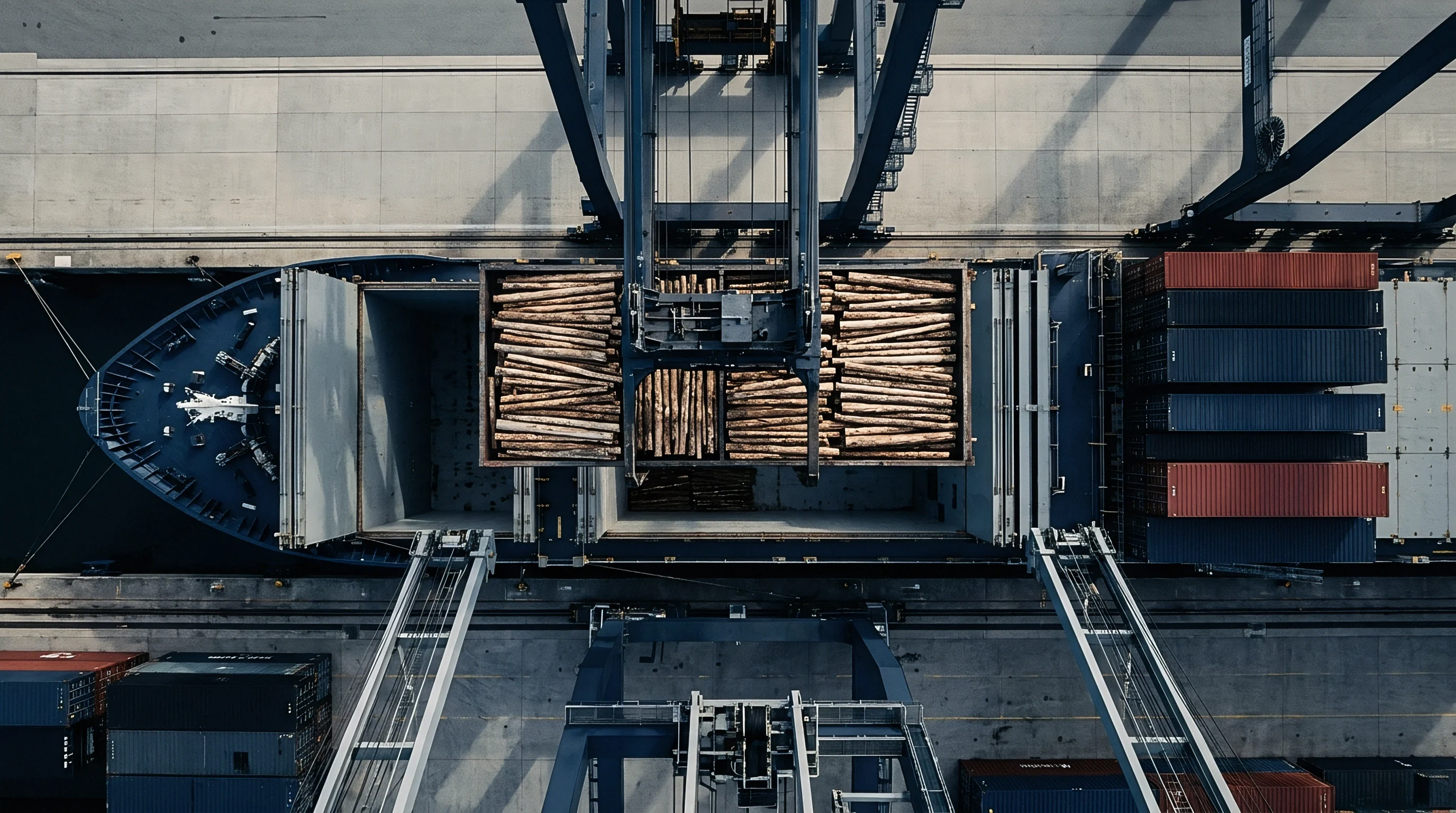
A gantry crane suspends bundles of raw timber logs above an open cargo hold of a bulk carrier docked at a concrete terminal.

Parameters

  • Average Vessel Wait Time ~ 3.7 days is the current average berthing delay at primary West Coast terminals during peak arrival windows.
  • Terminal Utilization Level ~ 85 percent current occupancy across major container yards, well past the point where operational efficiency degrades.
  • Rail Dwell Duration ~ 5.2 days on dock before a container gets loaded onto an eastbound train.
  • Chassis Turnaround ~ 9 days average equipment turnaround out of the port pool during high-demand cycles.
A hand secures a small hardware tracking unit to a structured surface near container cranes and a cargo ship in port.

Outlook

Congestion will likely remain elevated into mid-fourth quarter while retailers finish positioning holiday inventory. Buyers should track Pacific Merchant Shipping Association monthly dwell time data. A sustained move above six days in rail dwell will signal systemic backups that will disrupt winter delivery schedules.
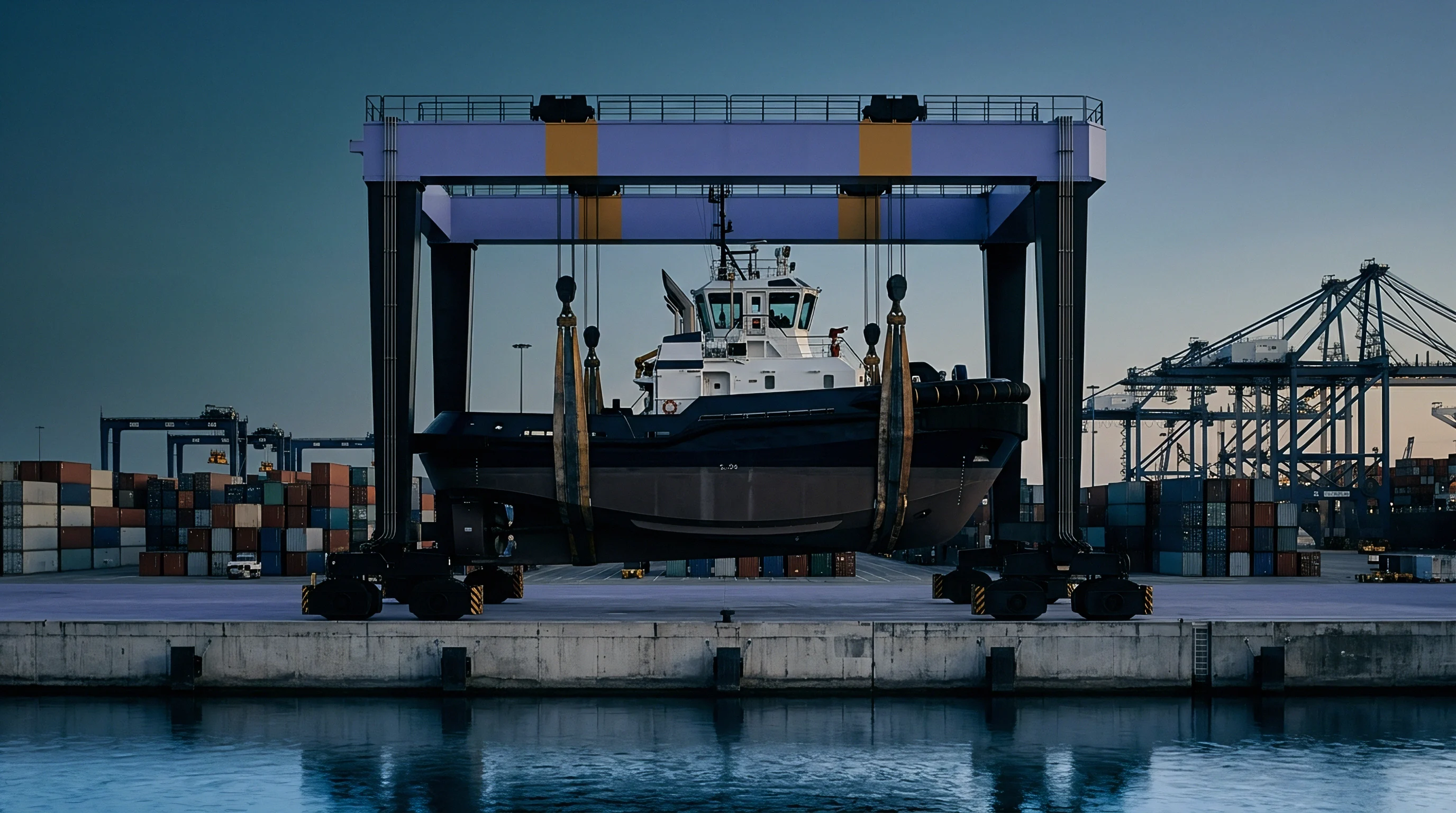
A heavy gantry crane suspends a painted steel tugboat above a concrete terminal surrounded by shipping containers at dusk.

Verdict

Buyers must budget for extra drayage fees and add seven days to standard transit estimates for all West Coast entries through November.

Nomenclature

Vessel Scheduling

Operational Cadence ~ Berth coordination and terminal slot allocation form the primary mechanism for managing maritime arrivals.

Supply Chain Visibility

Data Transparency ~ Tracking material movement across international transit points allows firms to monitor supply chain visibility through real time digital logs.

Warehouse Capacity

Total Volume ~ Storage limits define the maximum quantity of goods a facility holds while maintaining safe operational standards.

Trucking Equipment Shortages

Fleet Deficit ~ Equipment availability problems across highway networks govern freight movement when trailers or power units fail to match shipping demands.

Port Operations

Handling Scope ~ Maritime terminal productivity defines the total throughput velocity of cargo transfers measured through the integration of crane cycles, berthing schedules and horizontal transport systems.

Freight Procurement

Vendor Selection ~ Cargo capacity sourcing identifies the specific negotiation and contracting actions undertaken by organizations to secure external transportation services for the movement of goods through global supply chains.

Cargo Handling

Logistics Sequence ~ Mechanical power and human intervention shift commodities between transport modes or into temporary storage within a terminal.

Chassis Availability

Supply Metric ~ Chassis availability denotes the ratio of wheeled frames ready for immediate intermodal transport deployment relative to the total fleet inventory held at a specific marine terminal or rail depot.

Container Logistics

Intermodal Transport ~ Coordinated maritime, rail, and trucking operations govern the physical repositioning and handling of standardized freight boxes worldwide.

Equipment Utilization

Capacity Performance ~ Asset availability defines the ratio of actual output to maximum potential productivity over a set period.

Western Gateway

Transit Network ~ A major transportation corridor and grouping of deepwater ports located on the western coast of a nation coordinates the flow of international maritime trade between global suppliers and inland markets.

Drayage Costs

Operational Expense ~ Transport expenditure covering short-haul container movement between maritime terminals and inland distribution hubs constitutes a distinct category within freight logistics.

What the firm knows, published

Expertise is a utility, not a secret. sentiention™ publishes its working knowledge as open reference: intelligence layer covering the materials it sources, the markets it enters, and the reference that serves both.