Logistics Sequence
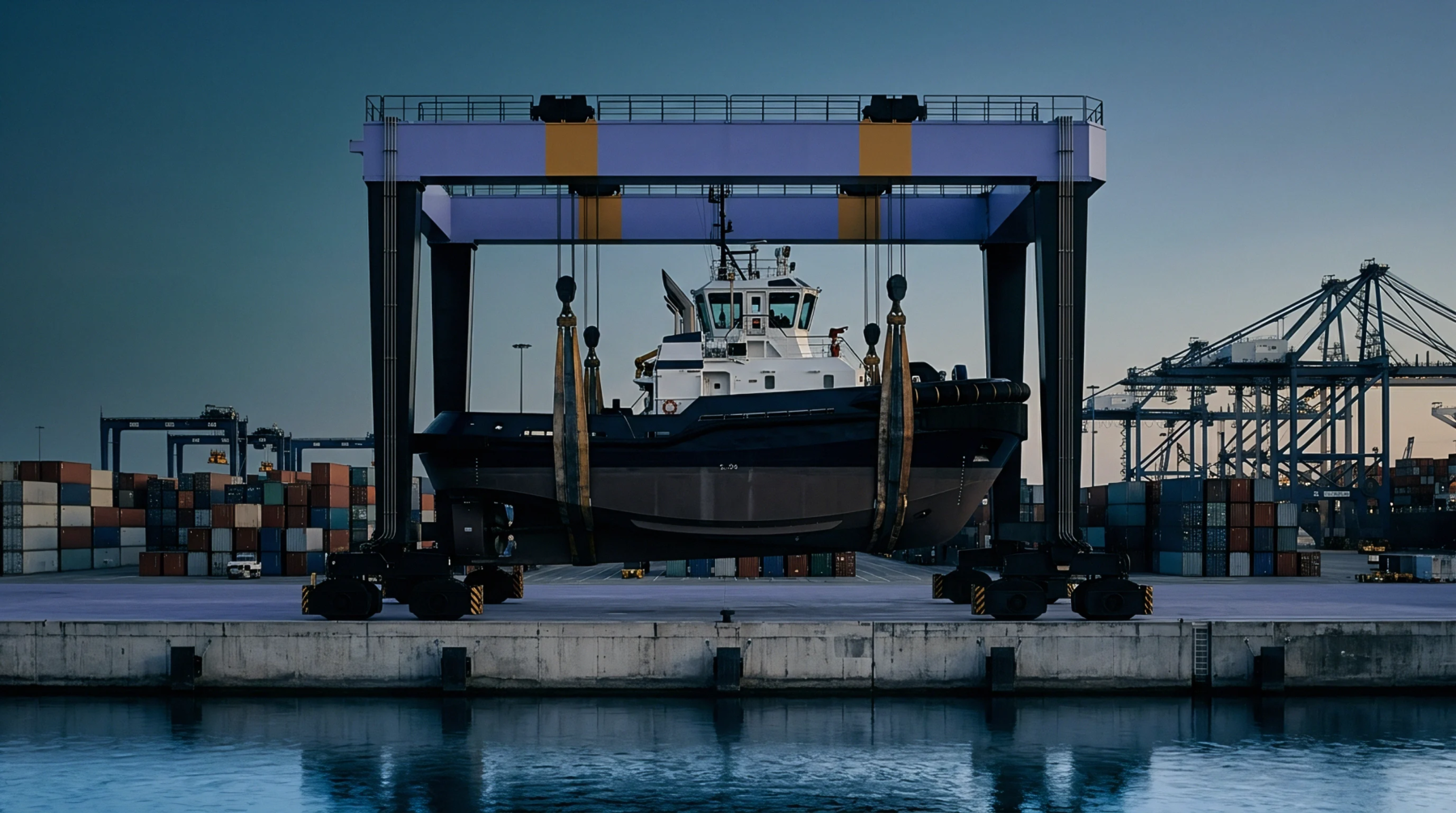
Mechanical power and human intervention shift commodities between transport modes or into temporary storage within a terminal. Cargo handling encompasses the physical movement of inventory across the interface of a ship, a railcar, or a heavy truck. Efficiency depends on the synchronization of lifting equipment like gantry cranes with the flow of documentation tracking the identity of the batch.
Precise coordination prevents congestion during peak periods of vessel arrivals or truck arrivals. Port authorities monitor the duration of each loading activity to calculate dwell time and equipment utilization ratios.
Productive Velocity
Operators deploy specialized machinery to minimize the duration of unit transitions. Forklifts, reach stackers, and conveyor systems execute the displacement of heavy containers to maximize the total throughput of the yard. Automated stacking systems reduce the requirement for manual intervention while improving the accuracy of inventory placement.
High throughput requires constant alignment between the arrival schedule of vessels and the availability of landside transport capacity. Performance metrics track the tons moved per hour to determine the operational limit of a facility. Equipment failures create bottlenecks that ripple across the entire supply chain network.
Fiscal Impact
Variable expenditures associated with loading and unloading influence the final cost of transportation for importers and exporters. Terminal operators charge fees based on the weight or volume of the goods and the intensity of the effort required for stowage. These costs fluctuate depending on the availability of skilled labor and the complexity of the cargo types.
Efficient procedures reduce the frequency of double handling which adds unnecessary expense to the movement of goods. Financial volatility in global trade often stems from the inability to manage these intermediate transit intervals effectively. Investment in modern infrastructure directly correlates with the ability to maintain competitive pricing in international shipping markets.