Australia Cancels Seasonal Biosecurity Pathways Tightening Border Controls for Import Cargo

New Australian rules remove the Rolled Goods Policy and Safeguarding Arrangement, requiring strict offshore pest treatment.

30.08.26 2 min

Briefing

Australia is terminating both the Safeguarding Arrangement Scheme and the Rolled Goods Policy ahead of the 2026-2027 Brown Marmorated Stink Bug season starting September 1, ending two long-standing biosecurity alternatives. For procurement teams sourcing out of thirty-eight target-risk countries, standard pre-shipment treatments are now mandatory across the board. Booking schedules will have to account for a strict 120-hour post-treatment loading limit on all breakbulk freight.

An operations auditor sits on steel warehouse shelving reviewing cargo manifests surrounded by stacked shipping containers in an outdoor freight terminal.

Context

Procurement desks moving industrial and manufactured goods into Australia have spent past seasons absorbing freight surcharges and tight scheduling throughout the pest window. Multi-season approvals and rolled-cargo allowances gave shippers enough leeway to handle harbor congestion and sudden vessel omissions. The question leading into this season was whether authorities would keep those administrative buffers in place while sailing schedules remained unpredictable.

Raw jute sacks of agricultural commodities rest beside black plastic crates inside a spacious industrial warehouse during inventory processing.

Analysis

Government reviews concluded that administrative exceptions do not offer the biosecurity protection of physical fumigation. When a vessel rolls treated freight, the resulting dwell time exposes cargo to reinfestation, turning a procedural safety valve into an active pathway for pests. Under the revised rules, the operational risk falls squarely on the importer. Without the rolled goods policy, breakbulk cargo that sits past the five-day limit must be retreated completely. The containerized side is just as unforgiving: an untreated shipment packed into a shared container forces mandatory treatment on the entire box at discharge. Origin missteps that once produced paperwork will now trigger port demurrage, quarantine holding, and weeks of downstream delay.

A digital render shows a heavy cargo ship and wooden crate resting on cracked ice inside a concrete industrial basin.

Parameters

  • Seasonal Duration ~ The active period runs from September 1, 2026, to April 30, 2027, determined by the shipped-on-board bill of lading date.
  • Target-Risk Sourcing Scope ~ Thirty-eight nations, including the United States, Canada, and most European countries, where manufactured goods require mandatory treatment.
  • Breakbulk Loading Window ~ A strict 120-hour limit measured from the start of post-treatment ventilation to loading on the export vessel.
  • Onshore Option ~ Ethyl Formate is introduced as an approved chemical alternative for onshore container-level treatment.
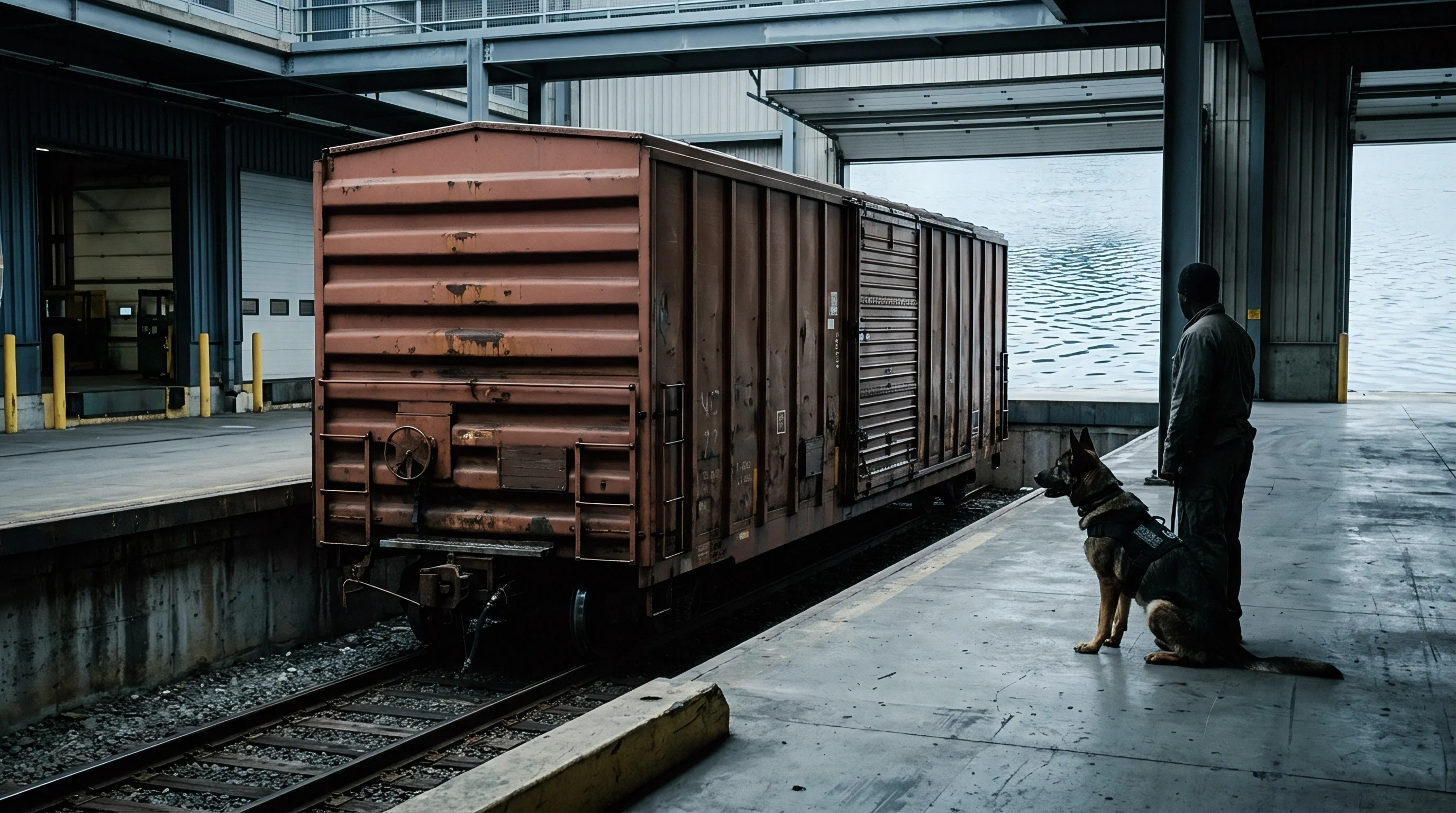
A rail freight boxcar waits on terminal tracks beside a concrete loading dock while a security handler and working dog stand nearby.

Outlook

Buyers will need to track schedule reliability and gate cutoffs closely at North American and European load ports. Securing certified treatment capacity early in the September-to-October contracting cycle is critical, as fumigation queues at origin fill rapidly once the season opens. Any berth delay or queue past the five-day window will require complete retreatment, compounding container and breakbulk delivery delays.

A digital render shows an industrial crane lifting a model cargo vessel between towering steel shipping containers inside a dark terminal warehouse.

Verdict

Buyers must drop reliance on previous biosecurity exemptions and lock in certified treatment capacity well ahead of origin gate-in for all Australian-bound cargo.

Signal Acquired from: TFG Global

Nomenclature

Australian Import Guidelines

Customs Protocol ~ Statutory clearance criteria governing incoming cargo operate as a formal mechanism determining whether foreign commodities gain entry into domestic commercial channels.

Supply Chain Compliance

Legal Conformity ~ Regulatory adherence framework binds an organization to the laws and standards governing the movement of goods across borders.

Container Shipping Risk

Hazard Classification ~ Probability of financial loss or operational disruption arising during the maritime transport of goods in standardized steel boxes constitutes a major factor in international supply chain management.

Maritime Freight Logistics

Lane Configuration ~ Ocean freight logistics constitutes the physical movement of cargo across international waters through scheduled vessel deployments and terminal handlings.

Agricultural Quarantine

Border Defense ~ Statutory intervention restricts the transit of plants and organic materials across national boundaries to prevent the introduction of invasive biological threats.

Biosecurity Compliance

Regulatory Framework ~ Biosecurity compliance functions as the administrative threshold governing the movement of agricultural goods across international borders.

Seasonal Pest Regulations

Mandatory Compliance ~ Legislative instruments governing seasonal pest regulations dictate the specific calendar windows during which cargo fumigation, cold treatment or phytosanitary inspections become mandatory for imported agricultural goods and timber products.

Rolled Goods Policy

Mill Governance ~ Material inventory parameters govern how industrial facilities store and release continuous webs of metal, paper, or textiles.

Offshore Cargo Treatment

Sanitary Protocol ~ Chemical disinfection processes remove biological contaminants from shipping containers before arrival at a national port.

Breakbulk Shipping

Logistics Mode ~ Non-containerized cargo requires specialized handling techniques for transport on ocean vessels.

Cargo Inspection Rules

Mandatory Protocol ~ Mandatory protocol establishes cargo inspection rules as the governing framework for verifying physical commodity conditions prior to custody transfer.

What the firm knows, published

Expertise is a utility, not a secret. sentiention™ publishes its working knowledge as open reference: intelligence layer covering the materials it sources, the markets it enters, and the reference that serves both.