Transatlantic Ocean Rates Decline as Vessel Supply Outpaces Cargo Volume

Spot rates are returning to early summer levels as surplus capacity on Europe to North America routes benefits current buyers.


30.08.26 2 min

Briefing

On the Northern Europe to North America westbound lane, vessel space continues to outrun cargo bookings, keeping general rate increases from sticking. Shippers are securing spot rates near standard baseline levels as major carriers discount slots to keep expanding capacity filled. Recent market data puts freight rates on the route near 1,750 USD per forty-foot equivalent unit.
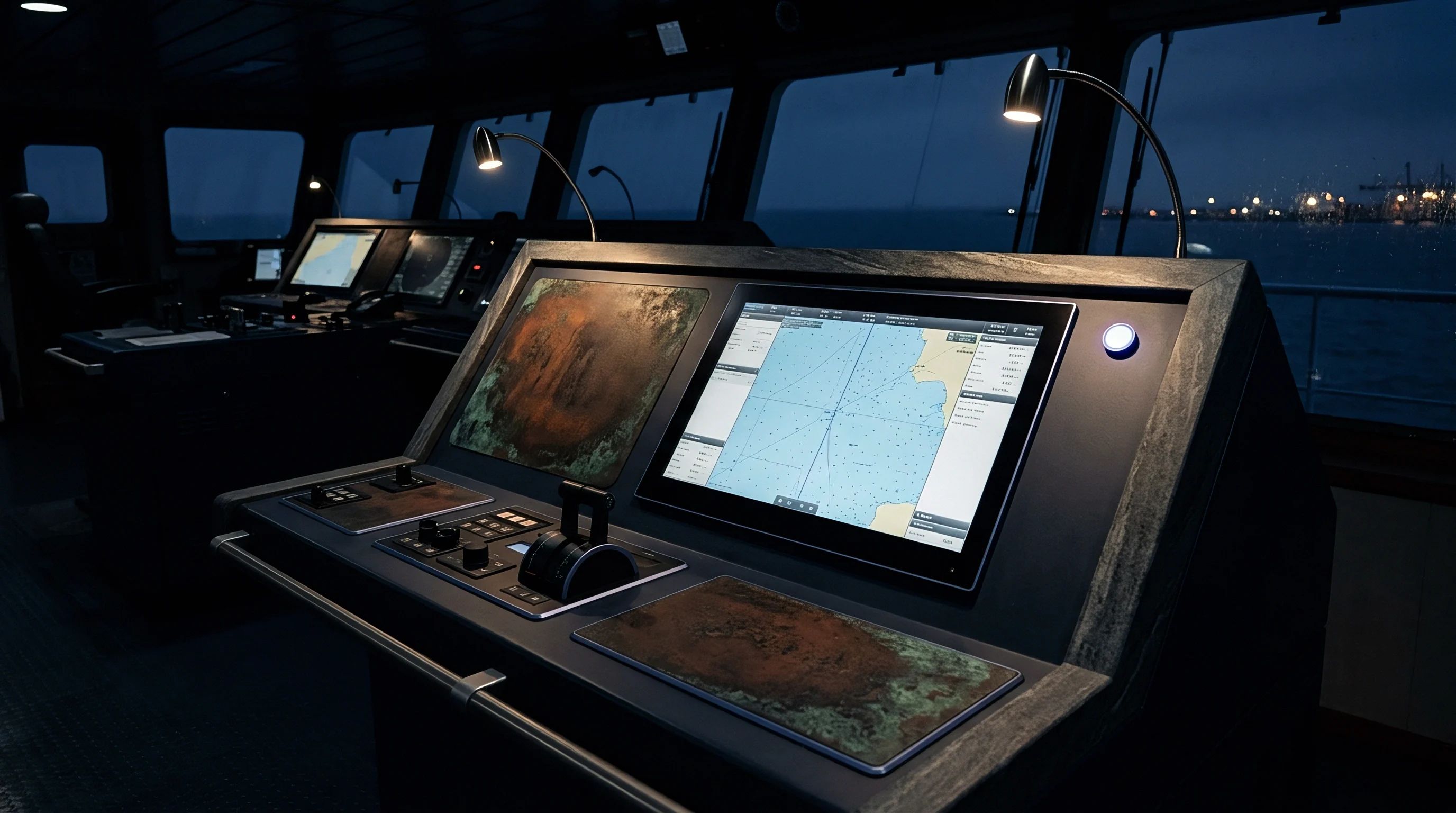
Marine navigation electronics and digital chart displays illuminate a dark ship bridge overlooking coastal waters during evening operations.

Context

Shippers had budgeted for higher costs after earlier forecasts pointed toward tighter vessel supply. The broader market assumed that diverting ships onto longer global rotations would siphon tonnage off the Atlantic crossing. Cargo owners were also watching Northern European hubs for the kind of terminal congestion that typically triggers carrier surcharges.

A polished metal sampling ladle rests beside a textured jute sack on the dark console of a maritime navigation bridge.

Analysis

Pricing is softening because capacity additions continue to outpace the pace of new bookings. Westbound strings remain fully manned even as carriers reshuffle equipment across other global trades. Rather than holding out for general rate increases, carriers are letting discounts pass directly through to invoices. A full ship at lower rates offers more dependable voyage revenue than sailing partially empty at a premium, and that drive to defend market share is keeping sailing frequencies intact.

Worker hands grip padded guide ropes of a vertical marine boarding ladder mounted to a dark vessel hull.

Parameters

  • Spot Rate Level ~ 1,750 USD per FEU for westbound movements from Northern Europe to US East Coast terminals.
  • Capacity Margin ~ 5 percent estimated surplus in available space against current trade volumes.
  • Reference Point ~ August 2024 index data showing parity with previous non-peak periods.
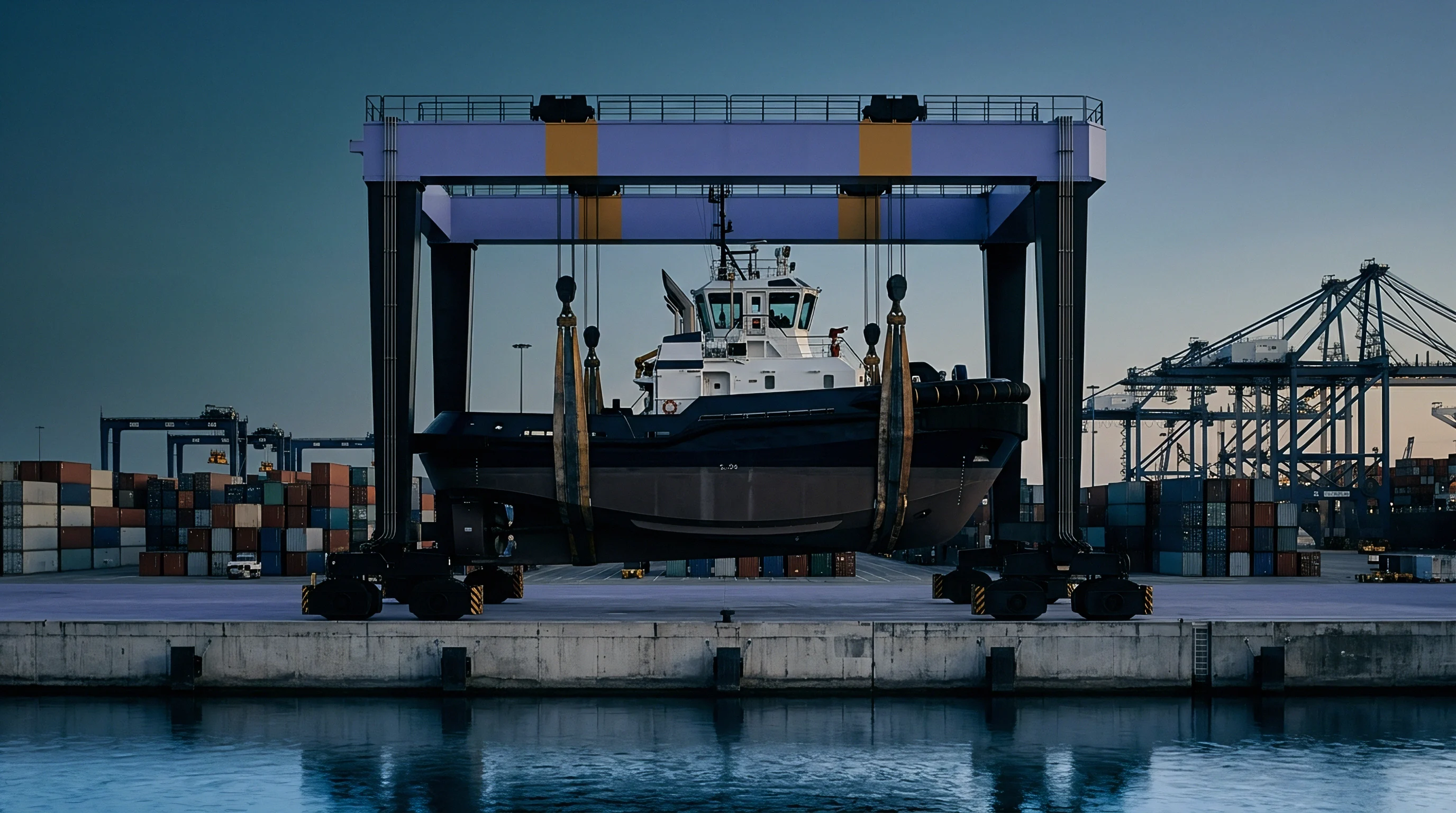
A heavy gantry crane suspends a painted steel tugboat above a concrete terminal surrounded by shipping containers at dusk.

Outlook

This weakness indicates spot rates will hold near current levels through the coming month. Procurement teams should watch carrier fleet deployment updates slated for late autumn. Any sustained withdrawal of active tonnage will be the first clear sign that this pricing trough is reaching a bottom.

A dark digital render features a miniature cargo vessel suspended above a reclining figure beside a podium against a dark background.

Verdict

Buyers should favor spot market bookings over fixed-rate annual contracts to capitalize on persistent westbound transatlantic overcapacity.

Signal Acquired from: Xeneta

Nomenclature

Containerized Cargo

Cargo Throughput ~ Ocean freight standardization relies upon movable steel modules of uniform dimensions designed for intermodal transport systems.

Ocean Shipping Indices

Freight Valuation ~ Maritime freight pricing relies on ocean shipping indices to quantify the cost of moving standardized container or bulk units across specific trade corridors.

Capacity Utilization

Operational Ratio ~ Productive output expressed as a percentage of the total potential volume an industrial plant or machine can generate under standard conditions defines this performance metric.

Trade Route Reliability

Performance Variance ~ Operational consistency defines the capacity of a logistics corridor to maintain scheduled transit intervals regardless of environmental or infrastructure disruption.

Container Spot Rates

Price Valuation ~ Ocean freight prices for immediate vessel space bookings constitute the primary benchmark for short term maritime logistics costs.

Spot Market Trends

Price Volatility ~ Commodity pricing moves rapidly when spot market trends shift from surplus conditions to sudden supply deficits.

Vessel Supply

Operational Capacity ~ Maritime logistics relies upon the total available freight space managed by an operator to meet demand across specific trade routes over defined intervals.

Westbound Trade

Directional Flow ~ Cargo volume moving from Asian manufacturing hubs toward European or North American consumer markets constitutes the movement pattern known as westbound trade.

Shipping Lane Dynamics

Capacity Balance ~ Maritime market forces determine container vessel deployment, freight rate fluctuations, trade route capacity and vessel speed decisions across ocean corridors.

Northern Europe Exports

Trade Volume ~ Outbound logistics from Baltic and North Sea ports represent the aggregate shipment of manufactured goods and raw materials destined for international markets.

Carrier Pricing

Tariff Structure ~ Modal rate determination sets the financial baseline for freight movement across commercial transport networks.

Sea Freight Costs

Maritime Expense ~ Vessel operators charge sea freight costs to recover the capital and operational requirements of global trade routes.

What the firm knows, published

Expertise is a utility, not a secret. sentiention™ publishes its working knowledge as open reference: intelligence layer covering the materials it sources, the markets it enters, and the reference that serves both.