Low River Levels Force Transatlantic Low Water Surcharges

Low St. Lawrence River water levels trigger new vessel surcharges for European cargo moving to the Port of Montreal.

29.08.26 2 min

Briefing

Persistent low water levels along the St. Lawrence River have forced ocean carriers to introduce low-water surcharges on westbound container shipments from Europe and the Mediterranean to the Port of Montreal, driving up landing costs for North American importers. A prolonged lack of rain has restricted draft depths, forcing vessels to sail light and reducing available carrier capacity. Importers moving heavy cargo through Eastern Canada now face an extra 300 dollars per forty-foot container to offset the lost carrying capacity on regional ships.
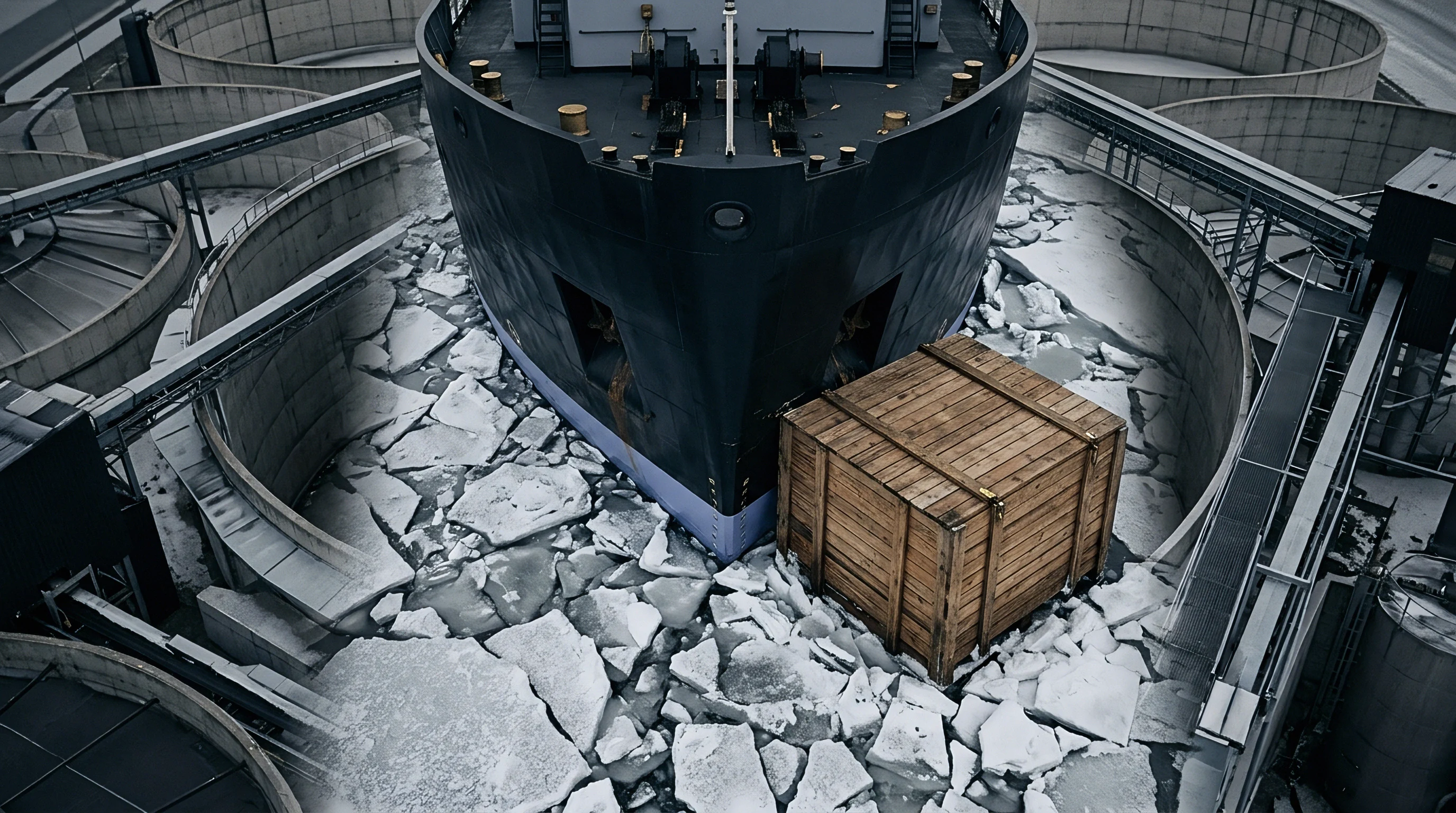
A digital render shows a heavy cargo ship and wooden crate resting on cracked ice inside a concrete industrial basin.

Context

Procurement teams assumed transatlantic shipping lanes through Eastern Canada would remain stable and affordable through late summer. While analysts focused on routine West Coast disruptions and East Coast labor disputes, Montreal had looked like a reliable workaround for Midwest-bound freight. The sudden drop in river depths upends those plans, putting immediate volume and cost pressure on the route.
Protective earmuffs rest on a metal stand beside a specialized monitoring instrument mounted on a concrete dock along an industrial waterway.

Analysis

Dry weather across the region and low rainfall in the Great Lakes Basin have reduced water flows into the St. Lawrence River. As the channel shallow, deep-draft ocean vessels risk grounding if fully loaded with heavy containers. To avoid this, carriers leave space empty on each crossing, cutting total transatlantic capacity.

The carrier moves less payload per trip while running costs remain fixed, and lines are passing the resulting revenue shortfall to buyers through a flat low-water surcharge on every container. Importers must absorb the extra fee at booking or adjust their shipments, as heavy goods have to be split into lighter loads to meet draft limits.
A glass and metal display case holds varied metal stock and precision-machined industrial parts on a dock.

Parameters

  • Surcharge for Twenty-Foot Containers ~ USD 150 per container applied to westbound shipments.
  • Surcharge for Forty-Foot Containers ~ USD 300 per container applied to westbound shipments.
  • Trigger Date ~ July 16, 2026, when major carriers MSC and Hapag-Lloyd began implementing the fees.
  • Target Destination ~ Port of Montreal.
  • St. Lawrence Watershed Rain Deficit ~ Precipitation and river inflows fell well below historical averages, accelerating the depletion of river depths.
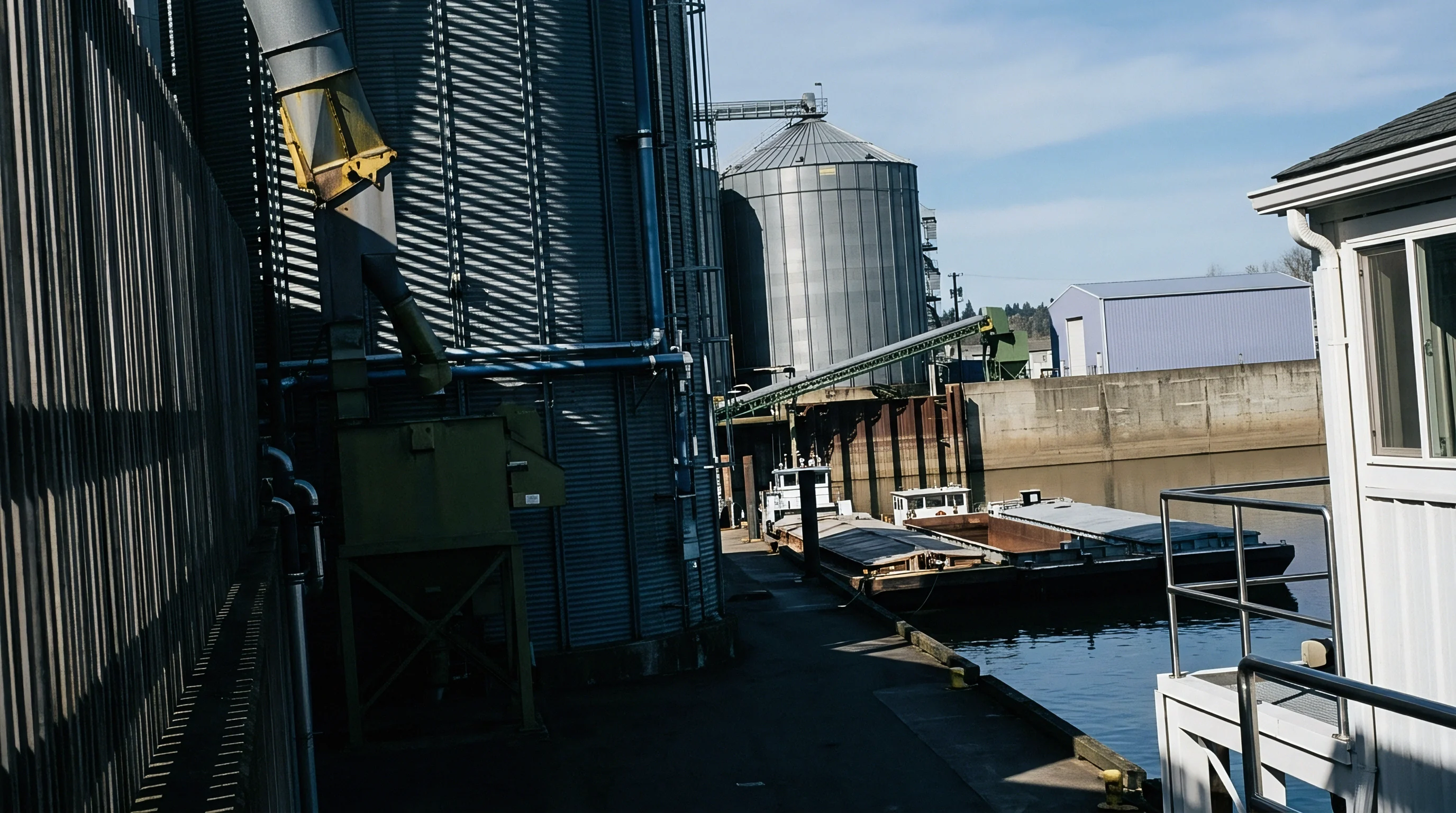
Corrugated steel grain silos and conveyors stand beside docked transport barges on an industrial waterway terminal.

Outlook

Importers should expect these surcharges to remain through October, when the seasonal low-water period typically peaks before winter. Shippers will need to monitor Canadian Coast Guard water level bulletins for the St. Lawrence Ship Channel. If depths at Sorel and Montreal drop below 0.3 meters above chart datum, carriers will likely raise surcharges further or tighten weight limits on cargo.

Worker hands grip padded guide ropes of a vertical marine boarding ladder mounted to a dark vessel hull.

Verdict

Professional buyers should adjust transatlantic cargo budgets immediately to absorb the surcharges and split heavy shipments to comply with St. Lawrence River draft limits.

Signal Acquired from: Kuehne+Nagel

Nomenclature

Maritime Transportation Logistics

Cargo Movement ~ Maritime transportation logistics functions as the total coordination of physical freight movement across global ocean networks, orchestrating vessel schedules and container flows from origin terminals to final inland destinations.

Drafting Restrictions

Drafting Constraints ~ Contractual limitation governing legal text creation within global shipping agreements and logistics tenders, setting boundaries on clause generation during initial negotiation phases.

Low Water Surcharge

Canal Assessment ~ Operational fees applied by ocean carriers during periods of extreme drought allow lines to recover the costs associated with reduced vessel drafts.

Cargo Weight Restrictions

Statutory Limitation ~ Maximum authorized mass represents the legal boundary for conveyances on public infrastructure or specific modes of transport.

Ocean Cargo Delays

Transit variance ~ Cargo movement across maritime routes experiences temporal gaps between scheduled arrivals and physical berths.

Container Surcharges

Financial Adjustment ~ Variable fees imposed by carriers above the base ocean freight rate recover specific operational costs.

Port of Montreal

Logistics Hub ~ Marine terminal facilities on the St.

Inland Water Levels

Depth Metric ~ A hydrological status indicator measures vertical water column displacement against established channel baselines in navigable river systems.

Transatlantic Freight

Trade Corridor ~ Shipping routes connecting the east coast of North America with the major ports of Northern Europe facilitate the flow of high-value industrial and consumer goods.

Transatlantic Ocean Transit

Maritime Geography ~ Shipping lanes across the northern and southern Atlantic basins facilitate the movement of dry bulk and containerized cargo between European and North American ports.

Supply Chain Routing

Network Optimization ~ Algorithmic and strategic planning structures determine the physical paths, transport modes, interchange hubs and carriers chosen to transport raw materials and finished goods.

Seasonal Draft Limits

Vessel Draft ~ Waterway clearance restricts cargo uplift during low water periods when seasonal draft limits govern river transit across major export routes.

What the firm knows, published

Expertise is a utility, not a secret. sentiention™ publishes its working knowledge as open reference: intelligence layer covering the materials it sources, the markets it enters, and the reference that serves both.