Rising Mediterranean Port Surcharges Increase European Import Costs for Global Buyers

Mediterranean port surcharges are rising as carrier logic shifts toward smaller hub distributions to bypass regional congestion.


28.08.26 2 min

Briefing

Major ocean carriers are adding new Mediterranean port congestion surcharges, pushing up landed costs for European and North African import desks. Lines are adjusting vessel itineraries to protect schedules, dropping cargo at alternative hubs instead of waiting out delays at primary gateways. For buyers, this translates to higher per-container fees and longer secondary transit times while boxes wait for feeder links. Invoices passing through key transshipment sites already show a four hundred dollar per container surcharge.

A circular industrial clock with a minimal face mounts directly onto a dark metal shipping container beneath a weathered steel beam.

Context

Import desks had spent months tracking erratic arrival windows across the western Mediterranean. Most assumed lines would absorb anchor delays to protect primary port pairings, while procurement teams weighed whether additional blank sailings might clear vessel backlogs before winter weather set in.

A heavy industrial rail shunting vehicle rests on tracks beside a concrete quay wall and an urban waterway at a freight terminal.

Analysis

Heavy transshipment volumes have backed up Mediterranean terminals, narrowing berthing windows for deep-sea vessels as container yards fill up. Rather than wait out congestion, carriers are diverting to secondary ports and adding surcharges to offset extra handling and storage. While base ocean rates look steady, these fees raise overall shipping costs, passed directly to buyers on updated bills of lading. It functions much like a taxi running a meter while stuck waiting near the curb: the buyer pays for congestion at the hub.

A digital render presents a heavy subsea energy dome suspended inside a structural steel testing rig upon a dark industrial pier.

Parameters

  • Surcharge Level ~ Primary Mediterranean operators are setting a baseline fee of 400 USD per container at key regional hubs.
  • Effective Date ~ September 1 2026 marks the broad rollout across both new and existing bookings.
  • Schedule Reliability ~ Vessels transiting the western Mediterranean corridor currently average 52 percent on-time arrivals.
  • Transshipment Delay ~ Containers lingering at hub ports face an average of 5 extra days of dwell time before connecting to feeder ships.

A dark blue corrugated steel shipping container stands behind a black steel mesh pallet cage and a suspended wooden rung rope ladder.

Outlook

These surcharges will likely remain through the fourth quarter while terminals clear existing backlogs. Import desks should monitor yard density at Tangier and Algeciras; if utilization falls below seventy percent, carriers may start pulling the fees back. Upcoming October contract renewals will show whether these charges get absorbed into baseline ocean rates.
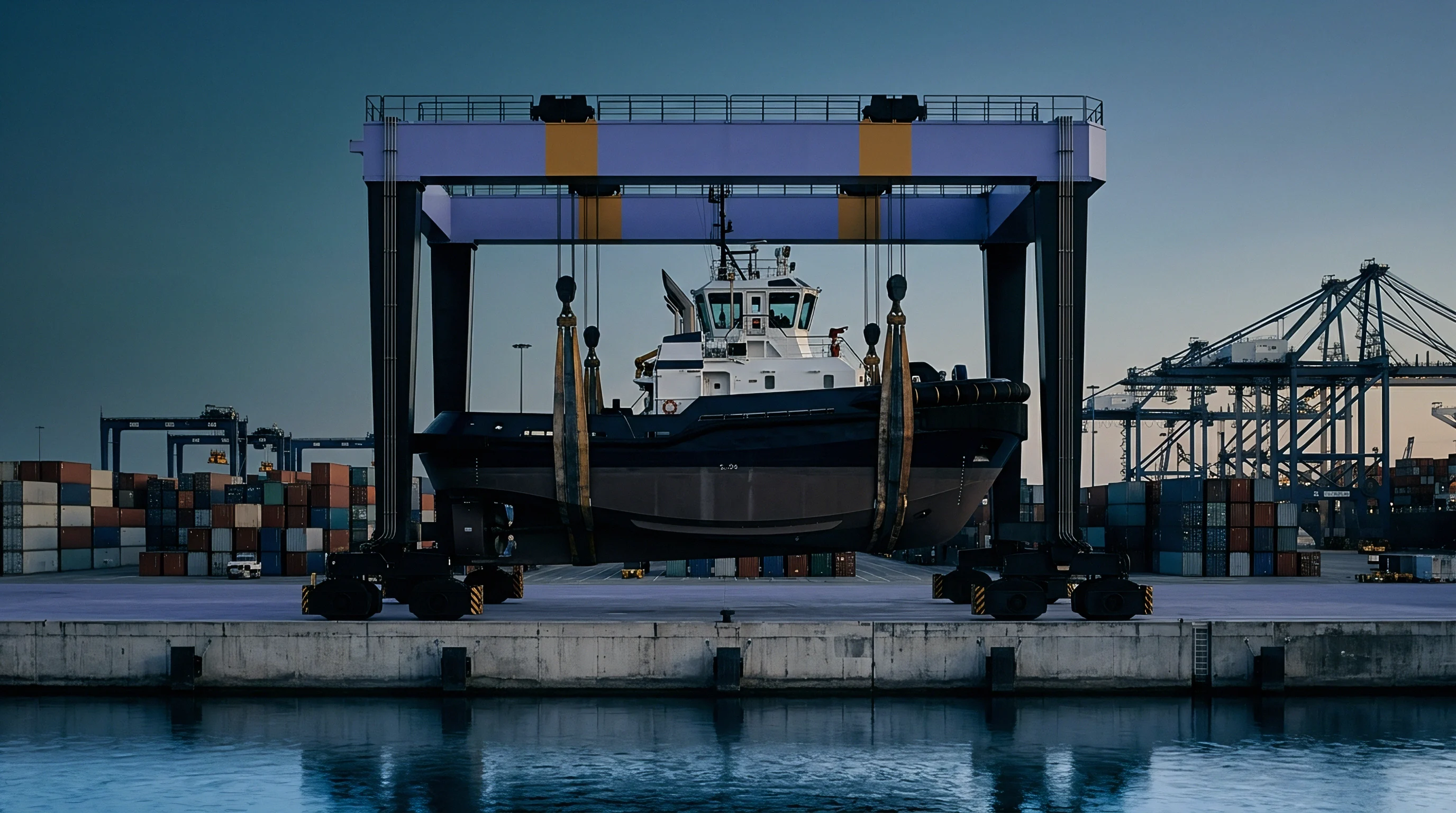
A heavy gantry crane suspends a painted steel tugboat above a concrete terminal surrounded by shipping containers at dusk.

Verdict

Buyers must identify shipments transiting through western Mediterranean hubs and budget an additional four hundred dollars per container for all arrivals starting in September.

Signal Acquired from: Lloyds List

Nomenclature

Carrier Operations

Transport Management ~ Asset-based logistical activities involve the coordination of physical infrastructure and personnel to move cargo across global networks.

Maritime Trade Routes

Lane Geometry ~ Geopolitical stability and physical geography dictate maritime trade routes, governing the transit of bulk commodities and manufactured goods across oceans.

Vessel Deployment Strategy

Asset Allocation ~ Strategic operational planning determines how container lines and bulk shipping operators allocate ship capacity across global maritime trade routes.

Supply Chain Expenses

Operational Outlay ~ Total costs associated with the movement and storage of goods include both direct and indirect financial commitments.

Maritime Economic Data

Market Quantification ~ Quantified trade metrics track the fiscal health of international shipping routes by aggregating vessel throughput, commodity demand, and regional transit costs.

Mediterranean Shipping

Regional Transit ~ Maritime transport through the sea connecting Southern Europe and North Africa involves complex routing through narrow straits.

Regional Logistics Hubs

Facility Topology ~ Spatial consolidation nodes function as primary staging tiers where large shipment batches break down into smaller distribution vectors for final delivery across specific geographic zones.

Port Logistics

Berth Productivity ~ Cargo handling efficiency across waterfront infrastructure functions as the primary indicator for commercial terminal performance within international maritime supply chains.

Ocean Freight Rates

Market Pricing ~ Base cargo transportation costs constitute a dynamic valuation metric determined by the available vessel capacity and the total volume of goods awaiting international transit between major maritime hubs.

Container Surcharges

Financial Adjustment ~ Variable fees imposed by carriers above the base ocean freight rate recover specific operational costs.

Port Infrastructure Fees

Harbour Revenue ~ Capital investments in maritime docking facilities require cost recovery mechanisms to fund terminal expansion and ongoing maintenance.

Shipping Lane Shifts

Maritime Adjustment ~ Maritime navigation relies upon the calculated variance in vessel transit routes between major hubs due to geopolitical instability, seasonal weather patterns or port infrastructure constraints.

What the firm knows, published

Expertise is a utility, not a secret. sentiention™ publishes its working knowledge as open reference: intelligence layer covering the materials it sources, the markets it enters, and the reference that serves both.