Maersk Implements an Eight Thousand Dollar Surcharge Raising Import Shipping Costs

An unprecedented eight thousand dollar peak season surcharge will dramatically increase non-spot shipping rates from September.


01.09.26 2 min

Briefing

Maersk is imposing an 8,000 dollar peak season surcharge on shipments from the Indian Subcontinent and Middle East to the west coasts of the United States and Canada, beginning September 21, 2026. The move drives up shipping costs on non-spot cargo, forcing procurement desks to absorb spot-like premiums on long-term lanes. This squeezes margin tolerances, particularly on lower-value materials where freight makes up a large share of the final landed cost, as the flat fee of 8,000 dollars applies to every dry and refrigerated container size regardless of volume.
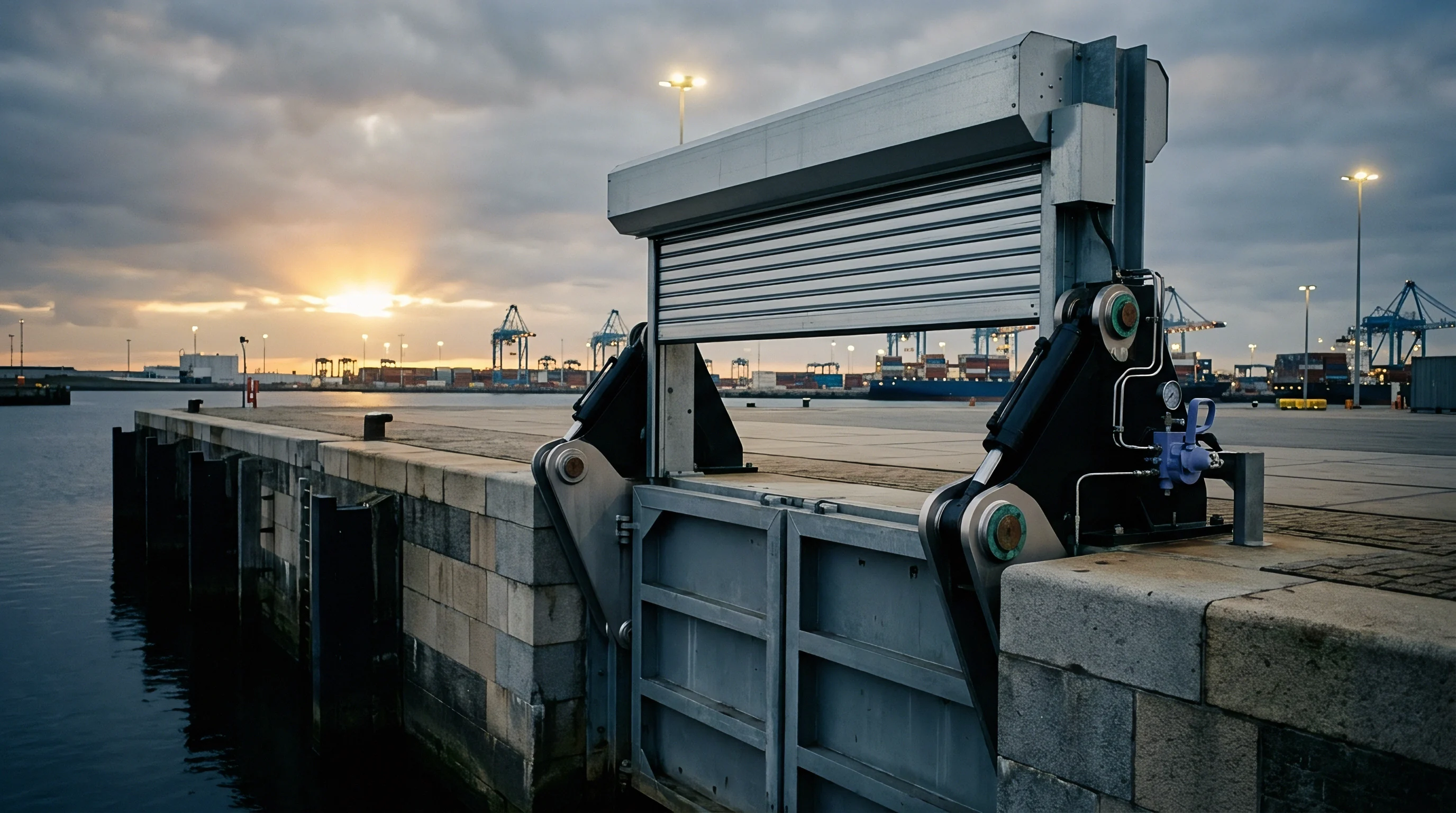
A large steel hydraulic barrier stands open on a stone concrete pier with shipping cranes and freight containers in the distance.

Context

Before the announcement, procurement desks were watching for signs of seasonal stabilization after a volatile summer of cargo detours. Shippers assumed contract agreements would insulate long-term budgets from spot-market spikes and keep peak-season adjustments moderate. The main question was whether carriers would maintain baseline pricing as supply chains prepared for the autumn shipping rush.
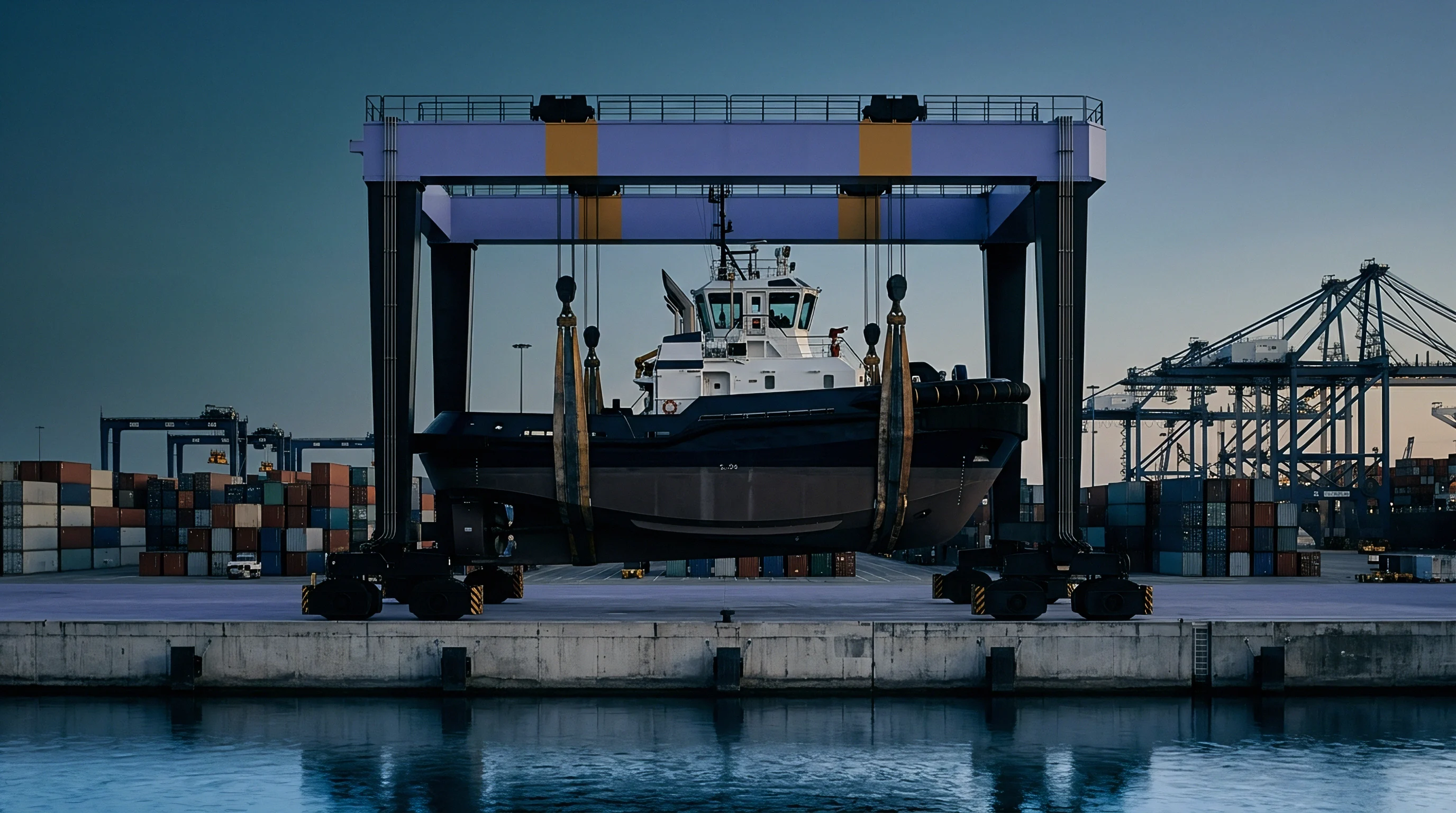
A heavy gantry crane suspends a painted steel tugboat above a concrete terminal surrounded by shipping containers at dusk.

Analysis

The flat surcharge hits twenty-foot and forty-foot dry and refrigerated boxes with the same dollar penalty. Carriers are passing through the elevated costs of rerouting voyages around Middle East and Suez bottlenecks via a flat fee that ignores container volume. For shippers moving bulkier, less expensive goods, the surcharge can easily outpace the value of the raw materials inside the container. Unless order cycles adjust, procurement desks will have to shift cargo to spot bookings that remain exempt from this specific penalty.

A dark blue corrugated steel shipping container stands behind a black steel mesh pallet cage and a suspended wooden rung rope ladder.

Parameters

  • Surcharge Rate ~ 8,000 dollars applied flat to dry and refrigerated containers of all sizes.
  • Effective Date ~ September 21, 2026, when the new billing rate takes effect.
  • Origin Territory ~ Sixteen nations across the Middle East and the Indian Subcontinent.
  • Destination Territory ~ The west coasts of the United States and Canada.

An operations auditor sits on steel warehouse shelving reviewing cargo manifests surrounded by stacked shipping containers in an outdoor freight terminal.

Outlook

Buyers will need to monitor capacity declarations from competing carriers to see if they follow this pricing move. The next test comes with late-autumn contract negotiations, where shippers will try to negotiate clauses against uncapped surcharges. If spot freight indices remain well below this surcharge level, bypassing long-term contracts for spot bookings may offer a viable way to control costs.

A dark digital render features a miniature cargo vessel suspended above a reclining figure beside a podium against a dark background.

Verdict

Sourcing teams need to evaluate alternative shipping lanes or shift eligible shipments to spot bookings before September 21 to avoid the eight thousand dollar penalty.

Signal Acquired from: Breakbulk News

Nomenclature

Trade Route Surcharges

Maritime Cost ~ Variable maritime levies apply across specific global maritime corridors to absorb sudden operational spikes or regulatory compliance expenses.

Import Freight

Customs Valuation ~ Ocean-borne cargo entering domestic jurisdiction requires a declared commercial price before border authorities release the shipment into secondary distribution networks.

Supply Chain Finance

Liquidity Solution ~ Financial arrangements that optimize working capital by connecting buyers and suppliers accelerate cash flow through the production cycle.

Nonspot Bookings

Forward Booking ~ Freight space reservations occur when carriers assign capacity outside of the immediate spot market windows to secure predictable volume over a set duration.

Transpacific Shipping

Maritime Route ~ High-volume ocean shipping corridors connect the major manufacturing hubs of East Asia with the primary consumption centers of North America.

Peak Season Surcharge

Temporary Tariff ~ Seasonal fee adjustments are applied by ocean and air carriers to manage the high volume of goods shipped ahead of major global holidays.

Maritime Container Transport

Freight Mechanics ~ Maritime container transport moves manufactured goods and raw commodities across international oceans inside standardized steel boxes.

Ocean Freight Rates

Market Pricing ~ Base cargo transportation costs constitute a dynamic valuation metric determined by the available vessel capacity and the total volume of goods awaiting international transit between major maritime hubs.

Container Logistics

Intermodal Transport ~ Coordinated maritime, rail, and trucking operations govern the physical repositioning and handling of standardized freight boxes worldwide.

Logistics Risk Management

Supply Disruption ~ Systematic observation of nodes and transit intervals defines logistics risk management.

Marine Shipping Lanes

Navigational Route ~ Designated paths through the world's oceans facilitate the safe and efficient movement of large commercial vessels between major ports.

Carrier Capacity Management

Strategic Allocation ~ Fleet utilization strategies determine how transport providers allocate and control the cargo space available on their active vessels.

What the firm knows, published

Expertise is a utility, not a secret. sentiention™ publishes its working knowledge as open reference: intelligence layer covering the materials it sources, the markets it enters, and the reference that serves both.