Dutch Port Strike on September Fourth Threatens European Import Schedules

A planned September fourth work stoppage in Dutch ports will suspend vessel handling and trigger regional cargo delays.
29.08.26 2 min

Briefing

Dutch port workers will strike nationwide on Friday, September 4, 2026, halting all ship-handling and cargo operations across Rotterdam, Amsterdam, and Zeeland. Organized by the FNV Havens union, the walkout covers loading, discharging, lashing, towing, and inspections, effectively freezing inbound and outbound cargo. For procurement managers, the strike brings immediate cargo roll risks, container delays, and disruptions to intermodal rail and road connections into the European hinterland.

The primary operational impact will center on the Port of Rotterdam, Europe’s largest marine gateway, which averages 75 seagoing vessels daily.

A digital render presents a heavy subsea energy dome suspended inside a structural steel testing rig upon a dark industrial pier.

Context

Before the walkout was called, procurement desks were monitoring the stabilization of Asia-Europe ocean freight rates and watching whether early peak-season demand would transition cleanly into late-summer restocking. Schedule reliability at terminals had already been a concern as larger container ships entered the trade lane. The dispute now forces buyers to recalculate transit buffers through North Europe’s central port hub.
A heavy industrial rail shunting vehicle rests on tracks beside a concrete quay wall and an urban waterway at a freight terminal.

Analysis

The stoppage stems from a national political protest against proposed social security cuts ~ specifically a government plan to shorten maximum unemployment benefits from two years to one. By calling the strike between 11:15 and 19:00 local time, FNV Havens hits operations during peak working hours. No crane operators, lashers, or tug crews will work during the nearly eight-hour window.

When terminal operations pause, cargo quickly backs up, creating a bottleneck that ripples back out to sea and forward into inland rail yards. Losing a single shift forces vessels to miss berth windows, creating multi-day queues and delaying terminal gate-out times for onward rail and shuttle services.
A digital render shows an industrial crane lifting a model cargo vessel between towering steel shipping containers inside a dark terminal warehouse.

Parameters

  • Strike Date ~ Friday, September 4, 2026, marking the year’s first confirmed nationwide port stoppage.
  • Stoppage Duration ~ 7 hours and 45 minutes, scheduled from 11:15 to 19:00 local time.
  • Affected Gateways ~ The ports of Rotterdam, Amsterdam, and Zeeland, representing the main cargo-handling region in the Netherlands.
  • Subsequent Action ~ A 24-hour national rail and public transport strike scheduled for September 9, 2026, threatening onward inland freight movements.
  • Port Rotterdam Volume ~ 14.2 million TEUs processed annually, underlining the scale of potential cargo backlogs.
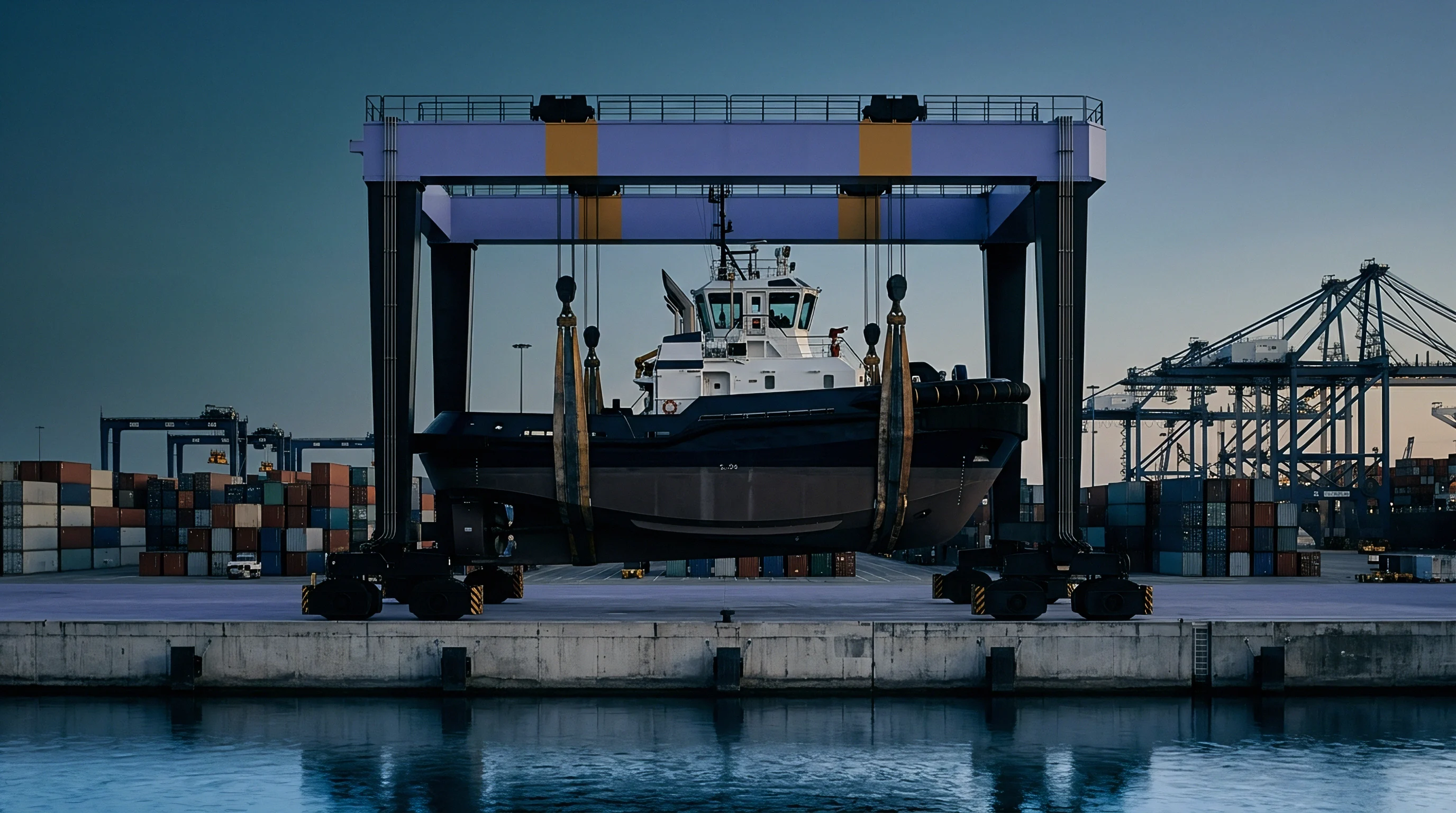
A heavy gantry crane suspends a painted steel tugboat above a concrete terminal surrounded by shipping containers at dusk.

Outlook

Over the coming weeks, buyers should prepare for tight terminal slot availability and localized delays along the Betuweroute rail corridor into Germany. Procurement desks should track carrier schedules and Rotterdam terminal gate-out advisories through September 11 to see if initial port backlogs compound with the September 9 transport strike, expanding short-term delays into broader regional bottlenecks.
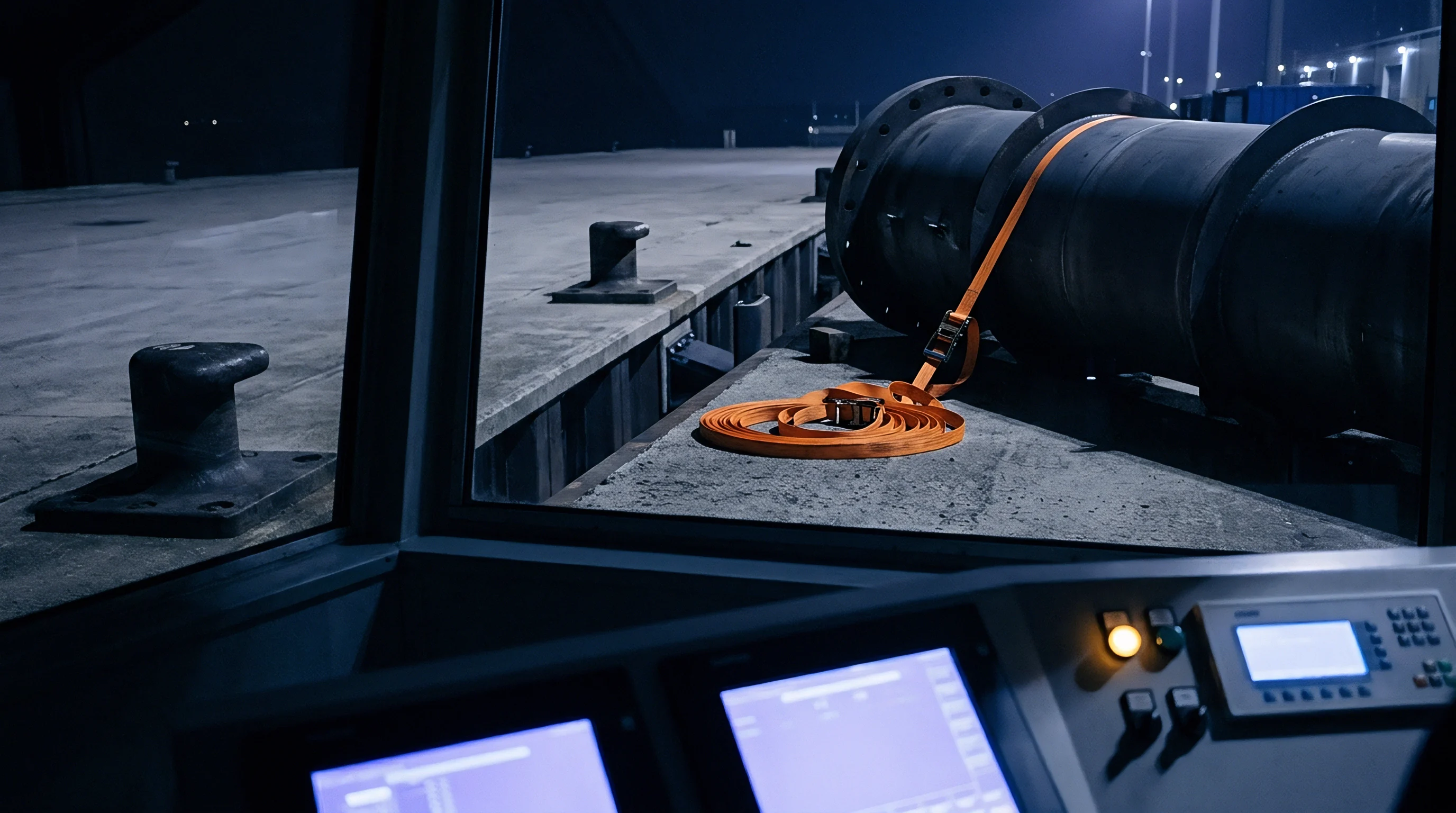
Heavy cylindrical cargo rests on a concrete port terminal visible through the illuminated control console of a maritime facility.

Verdict

Buyers with cargo routing through the Netherlands in early September should immediately reconfirm terminal and inland rail discharge schedules to prevent multi-day delivery rollovers.

Signal Acquired from: Splash247

Nomenclature

Terminal Handling Operations

Port Activity ~ Cargo movement within marine and rail depots involves unloading, sorting and preparing shipping containers for transport or storage.

Labor Strike Contingency

Risk Mitigation ~ Operational disruption planning involves establishing alternative logistics paths to protect supply chains from sudden worker walkouts or contract disputes.

Inland Rail Freight

Overland Transport ~ Land-based cargo movement by rail connects deep-water marine terminals directly to manufacturing hubs and distribution centers located far from the coast.

Supply Chain Risk Management

Structural Exposure ~ Operational vulnerability assessment governs the ongoing exposure evaluation of physical bottlenecks and tier supplier nodes across global freight networks.

Maritime Transport Logistics

Operational Scope ~ Global trade movement relies on the systematic coordination of cargo flow across ocean routes and inland connections.

Intermodal Freight Connections

Logistical Infrastructure ~ Transfer points where cargo containers move between different modes of transport are necessary for long-distance supply chain efficiency.

Ocean Container Freight

Pricing Dynamics ~ Ocean container freight represents the cost of moving standardized metal boxes across global maritime routes.

European Transport Corridors

Infrastructure Network ~ Designated transit routes connecting major industrial centers, ports and borders across Europe form the backbone of regional trade and logistics.

Vessel Schedule Reliability

Operational Metric ~ Periodic assessment of maritime transit efficiency quantifies vessel schedule reliability by measuring the percentage of container ships arriving at their destination port within a specific timeframe of the pro forma transit plan.

Port of Rotterdam

Maritime Gateway ~ Ocean-going trade infrastructure in Northwestern Europe centers on a vast deep-water harbor that acts as the primary entry point for goods entering the continent.

Cargo Dispatch Delay

Operational Obstacle ~ Logistical bottlenecks in modern supply chains frequently originate from administrative and physical processing lags at distribution centers.

Port Labor Disruption

Work Stoppage ~ Labor conflicts inside maritime terminals impede the movement of containerized and bulk cargo by suspending standard loading and unloading functions.

What the firm knows, published

Expertise is a utility, not a secret. sentiention™ publishes its working knowledge as open reference: intelligence layer covering the materials it sources, the markets it enters, and the reference that serves both.