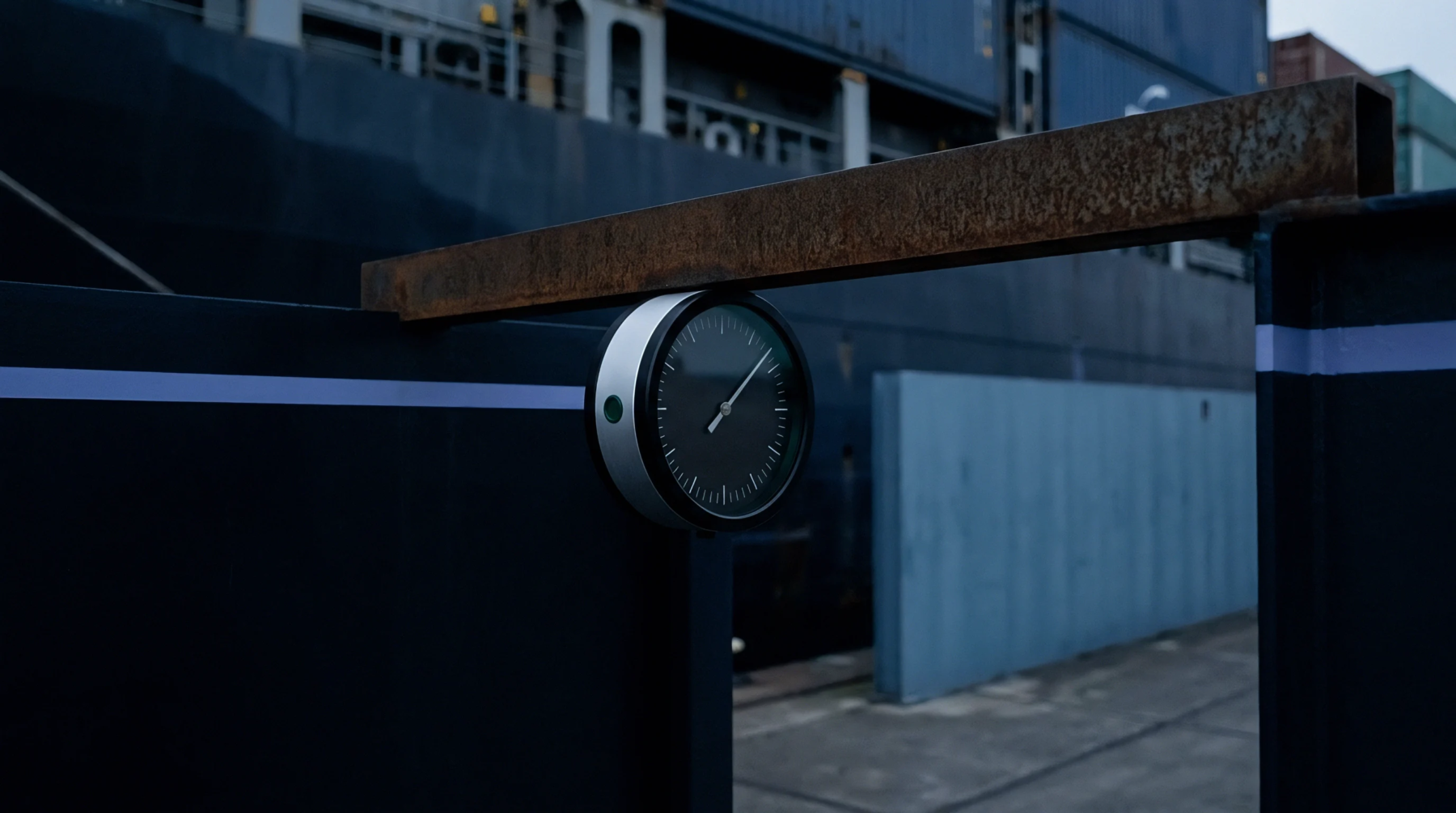
Maritime Gateway
Ocean-going trade infrastructure in Northwestern Europe centers on a vast deep-water harbor that acts as the primary entry point for goods entering the continent. The port of Rotterdam handles millions of containers each year, connecting international shipping lines with extensive inland waterways and rail networks. This terminal complex is essential for the distribution of industrial chemicals and consumer goods across the European market.
Cargo Flow
Automated container terminals operate continuously to unload the world’s largest container ships and transfer their cargo to waiting trucks or barges. In the port of Rotterdam, logistics providers use advanced digital platforms to coordinate vessel arrivals and truck scheduling to reduce wait times at the docks. This high level of automation helps the harbor process massive volumes of dry bulk goods and petroleum products with minimal delay.
Industrial Center
Large-scale oil refineries and chemical processing plants are situated directly within the harbor zone to minimize the cost of transporting raw materials. The industrial area around the port of Rotterdam processed heavy crude oil and liquefied natural gas to supply the manufacturing sectors of neighboring countries. By locating these facilities next to deep-water berths, the industrial cluster avoids the high overland transport costs that would otherwise make these heavy industries uncompetitive on the global stage.
This concentration of energy infrastructure also supports the development of pipeline networks that distribute fuel and feedstocks directly to inland industrial hubs.