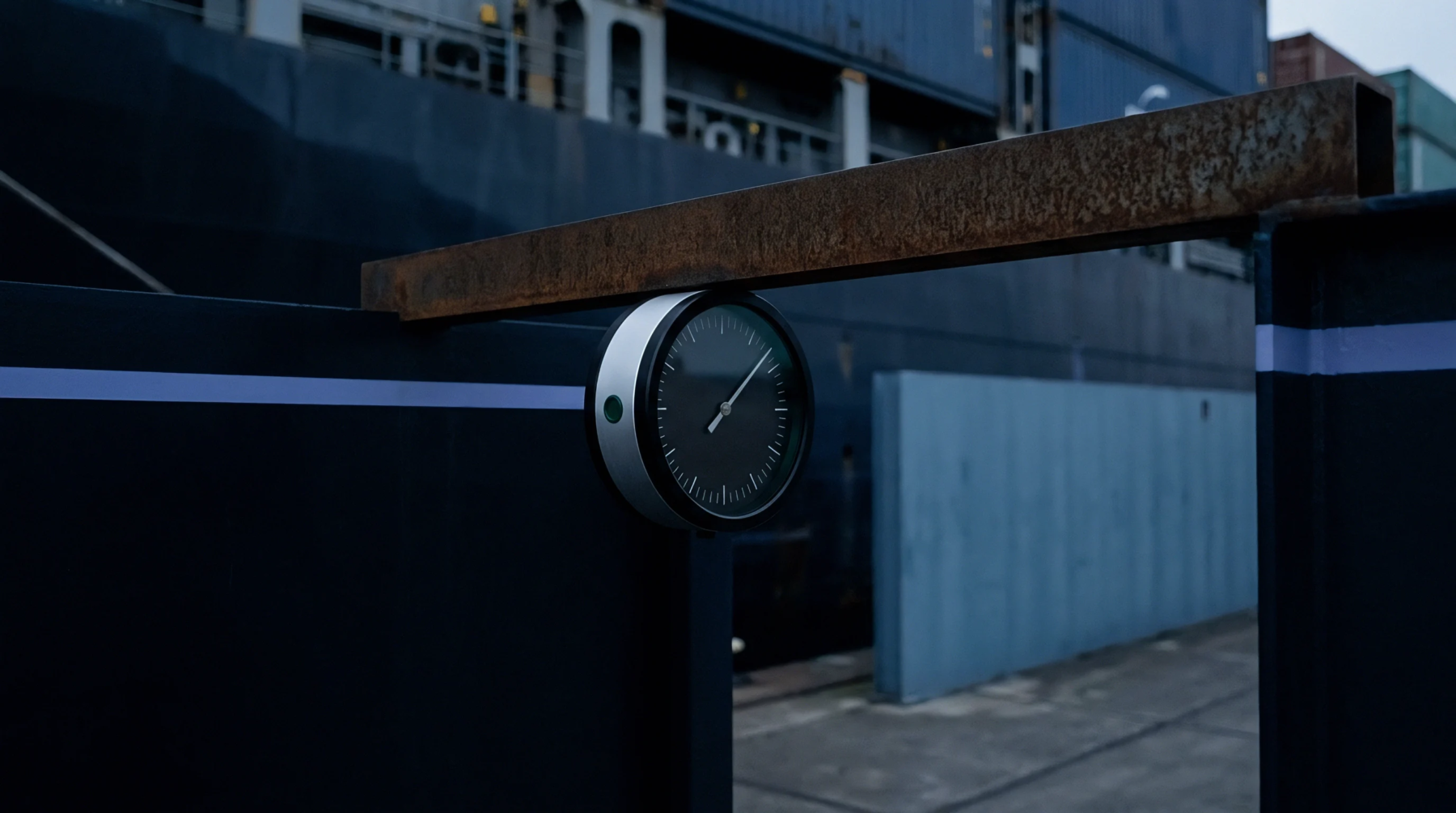
Port Activity
Cargo movement within marine and rail depots involves unloading, sorting and preparing shipping containers for transport or storage. Efficient terminal handling operations are critical for reducing vessel turn times and preventing congestion at busy logistics hubs. This activity relies on heavy equipment and coordinated scheduling to ensure a smooth flow of goods through the terminal gates.
Equipment Utilization
High-capacity gantry cranes and reach stackers must be carefully deployed to maximize the speed of cargo transfer between ship and shore. In terminal handling operations, operators use real-time tracking systems to coordinate crane movements and container placements to avoid unnecessary shifts. This optimization reduces energy use and equipment wear while maintaining high throughput rates during peak shipping hours.
Labor Scheduling
Coordinating work shifts for crane operators, truck drivers and ground crews is essential to maintain continuous productivity at the dock. When vessel arrivals are delayed by weather or port congestion, terminal handling operations must adjust labor schedules quickly to avoid costly idle time or overtime charges. Experienced managers use predictive scheduling tools to align labor availability with actual vessel arrival times, which keeps labor costs manageable while ensuring that ships are loaded and unloaded within their allocated time slots.
This flexible workforce management is a key factor in maintaining high throughput and avoiding demurrage fees for the terminal.