Braskem Idesa Files Prepackaged Chapter 11 Restructuring Polyethylene Operations

Mexico's primary polyethylene producer secures restructuring backing to maintain supply amidst a severe ethane feedstock deficit.

28.08.26 2 min

Briefing

Braskem Idesa has filed for prepackaged Chapter 11 protection in the United States to restructure its obligations following severe feedstock shortfalls. For North American buyers of industrial plastics and polyethylene resins, debtor-in-possession funding keeps plants running and maintains operational continuity. The prepackaged plan pays trade vendors in full, protecting delivery schedules and resin availability while addressing $3.6 billion in outstanding principal debt.

A circular industrial clock with a minimal face mounts directly onto a dark metal shipping container beneath a weathered steel beam.

Context

Resin buyers were already monitoring chronic feedstock deficits at the Etileno XXI petrochemical complex in Veracruz, Mexico. The central problem was whether the joint venture could endure a protracted downturn in global petrochemical margins while using costly imported ethane to offset declining domestic supply. The joint venture also faced tightening working capital constraints that risked triggering supply disruptions before it could take advantage of resin price spikes.

A digital render shows a heavy cargo ship and wooden crate resting on cracked ice inside a concrete industrial basin.

Analysis

Insolvency followed a steep drop in ethane deliveries from Mexico’s state-owned Pemex, which fell from 57,000 barrels a day in the complex’s early years to 18,000 barrels a day in 2025. Braskem Idesa attempted to bridge the gap by building a costly import terminal and hauling replacement feedstock from Texas by vessel and truck. Paying high freight rates over long transit routes after domestic supplies dried up tripled production costs and depleted operational cash. Consequently, polyethylene units ran at less than 50% capacity, leaving the producer unable to capitalize on surging resin prices. Under the prepackaged restructuring, the parent company is injecting $279 million in new money to normalize feedstock imports, which should stabilize lead times and curb regional price spikes as plant utilization recovers.

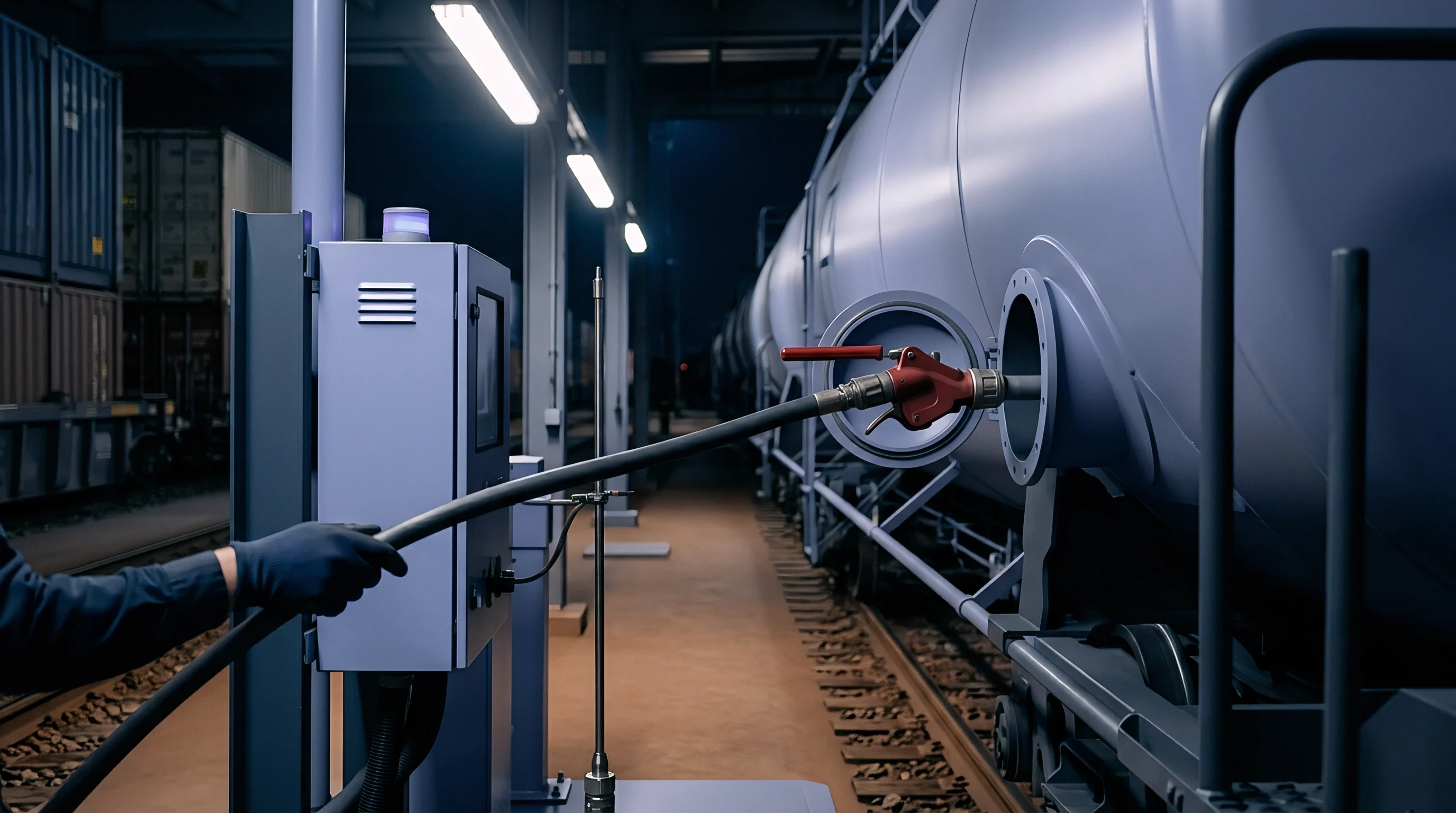
A stainless steel tanker and wooden cargo crate rest on industrial rail tracks inside a coastal shipping terminal during evening twilight.

Parameters

  • Feedstock Delivery Drop ~ A reduction in Pemex ethane supplies to roughly 18,000 barrels a day, down from the original contract target of 66,000 barrels a day.
  • Plant Operating Rate ~ The complex functioned at less than 50 percent of its total capacity on average during the first half of 2026 due to restricted liquidity.
  • Debt Restructuring Goal ~ A prepackaged plan designed to reduce the company’s prepetition funded debt by more than $920 million.
  • Emergency Capital Infusion ~ A debtor-in-possession financing facility of $409 million, which includes $279 million in new money provided by Braskem S.A.
  • Accrued Interest Backlog ~ More than $180 million of unpaid interest had accumulated on $3.6 billion of total principal outstanding at the time of filing.

An empty glass vessel rests atop a piece of folded denim fabric within a dark office setting featuring shelves of files and digital market monitors.

Outlook

Polyethylene buyers can anticipate steadier operations as the prepackaged case advances in the Southern District of Texas. The decisive near-term milestone is the combined disclosure and plan confirmation hearing scheduled for September 24, 2026. Timely court approval will permit a swift Chapter 11 exit, ensuring bulk resin commitments remain secure through the winter contracting cycle.

A man in a dark jacket discusses industrial control units and ventilation system ducting on an industrial platform at night.

Verdict

Buyers should maintain current contract volumes with Braskem Idesa while following the September confirmation hearing, as the prepackaged restructuring minimizes supply disruption risk.

Signal Acquired from: ICIS

Nomenclature

Ethane Feedstock

Hydrocarbon Derivative ~ Liquid natural gas liquids recovered from processed wellhead streams provide the primary molecular source for ethylene production.

Industrial Restructuring

Sectoral Realignment ~ Industrial restructuring constitutes a structural reconfiguration of heavy production systems occurring when regional manufacturing bases face prolonged demand contraction and mounting obsolescence pressures.

Petrochemical Bankruptcy

Financial Insolvency ~ Judicial dissolution of a synthetic polymer manufacturer marks the terminal stage of liquidity exhaustion for specialized heavy industrial firms lacking viable product diversity.

Prepackaged Chapter 11

Restructuring Agreement ~ Bankruptcy proceedings often utilize a prepackaged chapter 11 to shorten the duration of court supervision.

Resin Trade

Polymer Exchange ~ Polyolefins and engineering thermoplastics change hands daily through global spot markets and long term delivery contracts.

Regional Plastics Distribution

Logistics Configuration ~ Proximity between production capacity and raw material demand defines regional plastics distribution.

Ethylene Production

Polymer Feedstock ~ Ethylene production measures the total tonnage of gaseous hydrocarbon yielded through the thermal cracking of petroleum fractions, serving as an absolute baseline for global chemical manufacturing volume.

Chemical Supply Chain

Specialized Network ~ Industrial logistics systems for transporting, storing and processing hazardous, volatile or temperature-sensitive compounds connect upstream petrochemical refining with downstream manufacturing.

Polyethylene Sourcing

Market Access ~ Acquisition channels dictate how polymer buyers secure prime feedstock grades from global petrochemical complexes through direct manufacturer contracts or merchant distributors.

Mexican Petrochemicals

Capacity Outlook ~ Industrial feedstock availability across Mexican petrochemicals depends heavily on upstream natural gas extraction rates from domestic fields.

Polymer Procurement

Material Selection ~ The strategic purchasing of synthetic resins in the form of pellets, powders, or granules ensures that plastic molding and extrusion operations have the necessary raw materials.

Bulk Resin Contracts

Pricing Agreement ~ Commercial commitments between polymer buyers and petrochemical producers establish purchase terms for large quantities of thermoplastic materials over extended periods.

What the firm knows, published

Expertise is a utility, not a secret. sentiention™ publishes its working knowledge as open reference: intelligence layer covering the materials it sources, the markets it enters, and the reference that serves both.