New United Kingdom Plastic Duty Probe Alters US Polyethylene Sourcing

Buyers of US linear low-density polyethylene face supply risks as the UK initiates a major plastic dumping probe.


29.08.26 2 min

Briefing

The United Kingdom Trade Remedies Authority has opened an anti-dumping investigation into US imports of linear low-density polyethylene. The move creates immediate exposure for buyers of industrial packaging and film resins, who now face mandatory import registration and potential retroactive duties. Managing that tariff risk across a trade flow that reached 102,400 tonnes in 2025 will force procurement teams to seek non-US alternatives.

A digital render displays an intricate industrial fastener assembly constructed from patinated bronze and anodized metal elements against a dark background.

Context

Prior to the announcement, buyers treated transatlantic resin flows as a dependable buffer against domestic supply shortfalls. Procurement desks were already tracking freight bottlenecks and raw material spikes, skeptical that European petrochemical producers could cover regional demand on their own without US volume.

Raw jute sacks of agricultural commodities rest beside black plastic crates inside a spacious industrial warehouse during inventory processing.

Analysis

The investigation stems from a complaint by INEOS Olefins and Polymers, the sole producer of the polymer in the United Kingdom. High domestic energy tariffs and ongoing refining adjustments have left UK plants struggling against US petrochemical exporters, who run on inexpensive shale gas feedstocks. That cost gap drove a sharp influx of US material into the British market. Because the Trade Remedies Authority has initiated a dumping probe, all incoming shipments are subject to immediate registration, allowing customs officials to backdate tariffs if final duties are approved. Importers take on open-ended cost liabilities on every new cargo, accelerating the shift toward suppliers in Europe or the Middle East with predictable pricing.
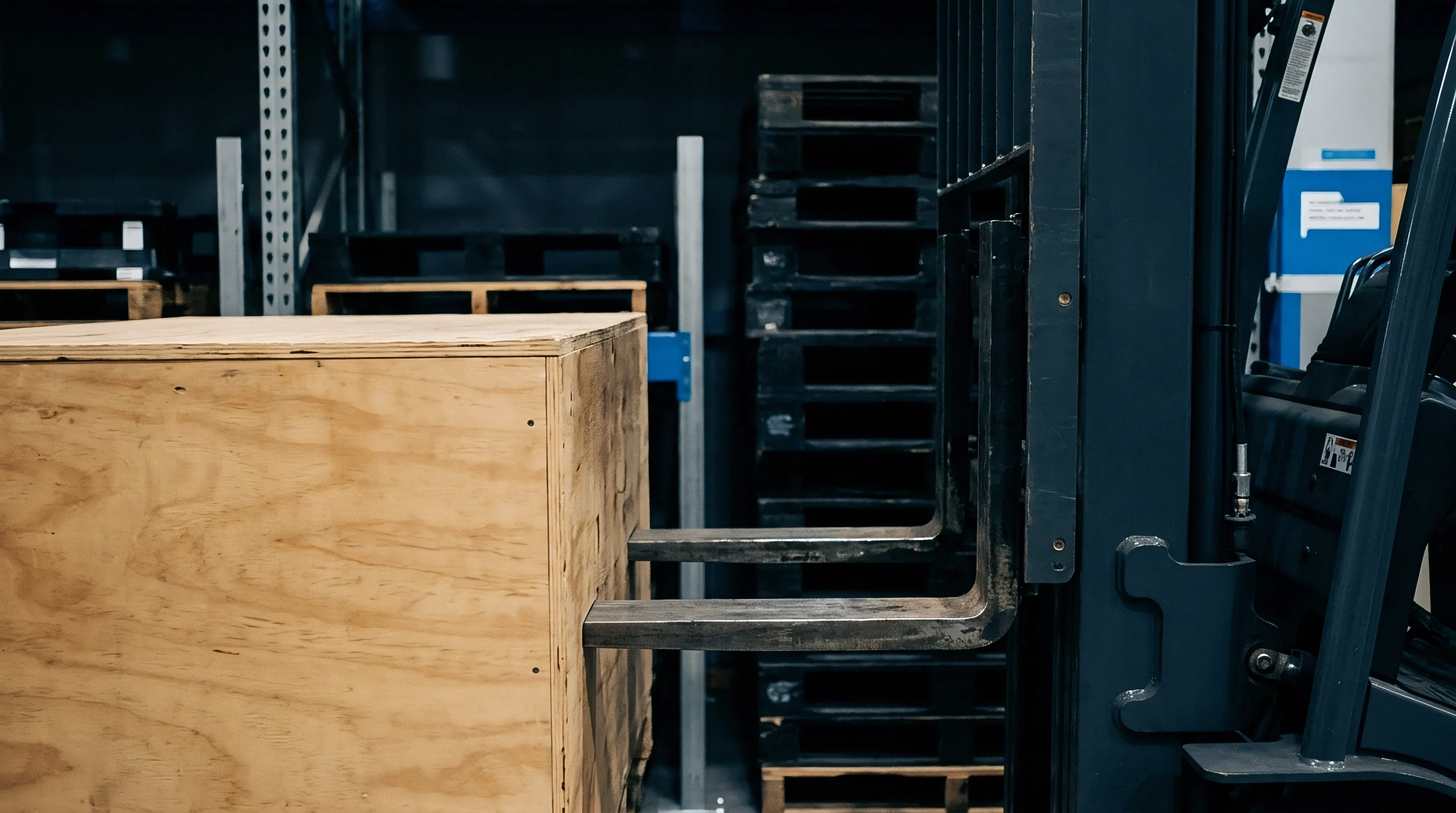
Heavy steel forklift forks engage the underside of a large plywood shipping crate inside an industrial warehouse containing multiple stacked black plastic pallets.

Parameters

  • Import Volume from the United States ~ 102,400 tonnes of linear low-density polyethylene exported to the United Kingdom in 2025.
  • Dumping Analysis Period ~ January 1, 2025, to December 31, 2025, with injury evaluated from January 1, 2022.
  • Affected Commodity Codes ~ Twelve specific tariff codes representing linear low-density polyethylene, including 39011010 and 39014000.
  • Filing Entity ~ INEOS Olefins and Polymers UK, the sole producer of this polymer grade in the United Kingdom.

An orange plastic safety cone undergoes mechanical compression inside an industrial testing apparatus during product durability evaluations.

Outlook

Over the coming months, the trade authority will gather cost and pricing data from importers and overseas producers. Sourcing teams should monitor the October to December 2026 window, when the agency will decide on provisional duties. If interim measures take effect, importers must post bank guarantees against potential anti-dumping duties on all subsequent arrivals.

Industrial metal and plastic components sit on a worktable in organized trays and bins inside a manufacturing warehouse facility.

Verdict

Buyers sourcing US linear low-density polyethylene for United Kingdom operations should immediately qualify alternative European or Middle Eastern suppliers to mitigate the risk of retroactive anti-dumping duties.

Signal Acquired from: GOV.UK

Nomenclature

Plastic Supply Chains

Distribution Network ~ The interconnected network of oil refineries, chemical processors, compounding facilities, and transport operators that moves polymer resins from initial extraction to finished product manufacturers represents a critical flow for modern industry.

Petrochemical Import Duties

Tariff Regulation ~ Taxes levied by governments on imported chemical compounds derived from petroleum and natural gas represent a primary instrument for protecting domestic chemical producers from foreign competition.

Industrial Films

Material Classification ~ Thin, flexible polymer sheets engineered for protective, barrier, or adhesive applications in manufacturing and logistics form the basis of modern product packaging.

Trade Remedy Investigations

Regulatory Inquiry ~ Official inquiries conducted by government bodies to determine whether foreign imports are being dumped or subsidized to the detriment of domestic industries represent the legal basis for enforcing protective tariffs.

Chemical Risk Management

Regulatory Framework ~ Safety protocols designed to prevent accidents and contamination during the handling, storage, and disposal of hazardous substances form the basis of industrial environmental protection.

United Kingdom Trade

Commercial Exchange ~ The movement of goods, services, and raw materials into and out of the British Isles represents a major component of the nation's economic activity and its connection to global markets.

Polymer Procurement

Material Selection ~ The strategic purchasing of synthetic resins in the form of pellets, powders, or granules ensures that plastic molding and extrusion operations have the necessary raw materials.

Packaging Raw Materials

Input Resource ~ The primary inputs such as paperboard, plastic resins, aluminum, and glass used to manufacture protective boxes, bottles, and wraps represent a critical cost category for consumer-packaged-goods companies.

Trade Dispute Monitoring

Tariff Enforcement ~ Systematic friction between sovereign entities over tariff schedules and market access creates trade dispute monitoring within bilateral trade frameworks.

Polyethylene Sourcing

Market Access ~ Acquisition channels dictate how polymer buyers secure prime feedstock grades from global petrochemical complexes through direct manufacturer contracts or merchant distributors.

What the firm knows, published

Expertise is a utility, not a secret. sentiention™ publishes its working knowledge as open reference: intelligence layer covering the materials it sources, the markets it enters, and the reference that serves both.