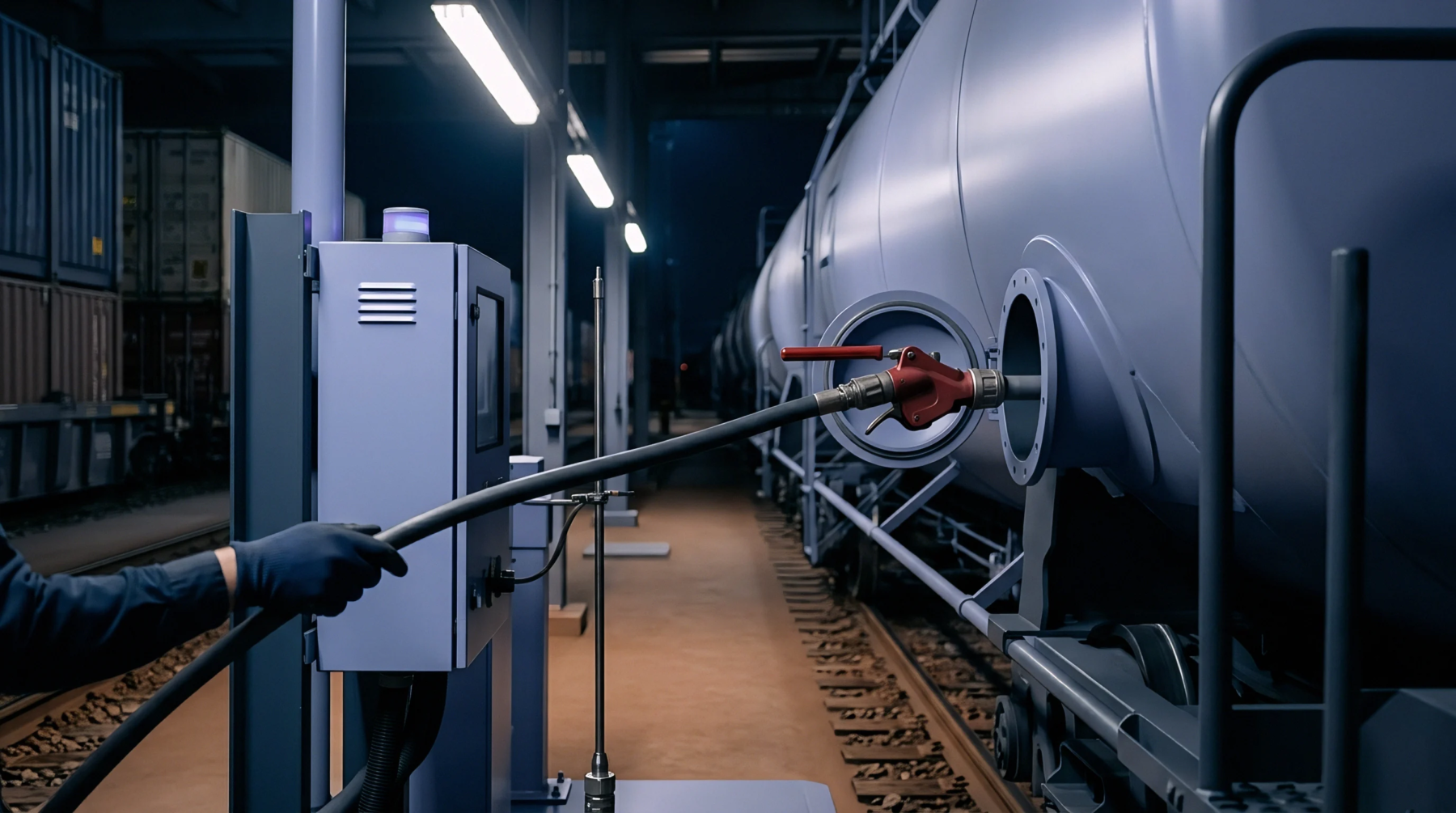
Hydrocarbon Derivative
Liquid natural gas liquids recovered from processed wellhead streams provide the primary molecular source for ethylene production. Ethane feedstock undergoes high temperature cracking to convert saturated C2H6 chains into unsaturated ethylene building blocks. This chemical transformation requires substantial energy input to break carbon-carbon bonds within furnace coils.
Facilities optimize recovery rates based on the relative purity of incoming natural gas streams and the current market spread between fuel values and plastics production costs.
Operational Requirement
Ethane extraction occurs at specialized cryogenic facilities where separation processes remove methane and heavier components from raw gas. Pipelines transport the isolated material to petrochemical crackers where internal heating elements maintain steady conversion cycles. Production volumes depend on the temperature of the cooling train and the residence time inside the thermal reaction zone.
Operators adjust pump speeds to maintain pressure differentials across the fractionation column when natural gas liquids arrive in variable mixtures.
Market Valuation
Regional pricing dynamics dictate the economic viability of utilizing ethane feedstock over heavier alternatives like naphtha or propane. Industrial demand shifts when the price of natural gas rises relative to oil because gas production often contains enough surplus liquids to saturate regional processing capacity. Global trade flows respond to these price gaps by adjusting tanker schedules for liquified products between producing hubs and manufacturing clusters.
Market participants monitor the inventory levels at major salt cavern storage sites to gauge future supply stability for plastic resin manufacturers.