Charleston Pauses Leatherman Terminal Operations Forcing Southeast Freight Consolidation
Consolidating container flows to existing berths raises local terminal utilization during peak shipping weeks.
Briefing
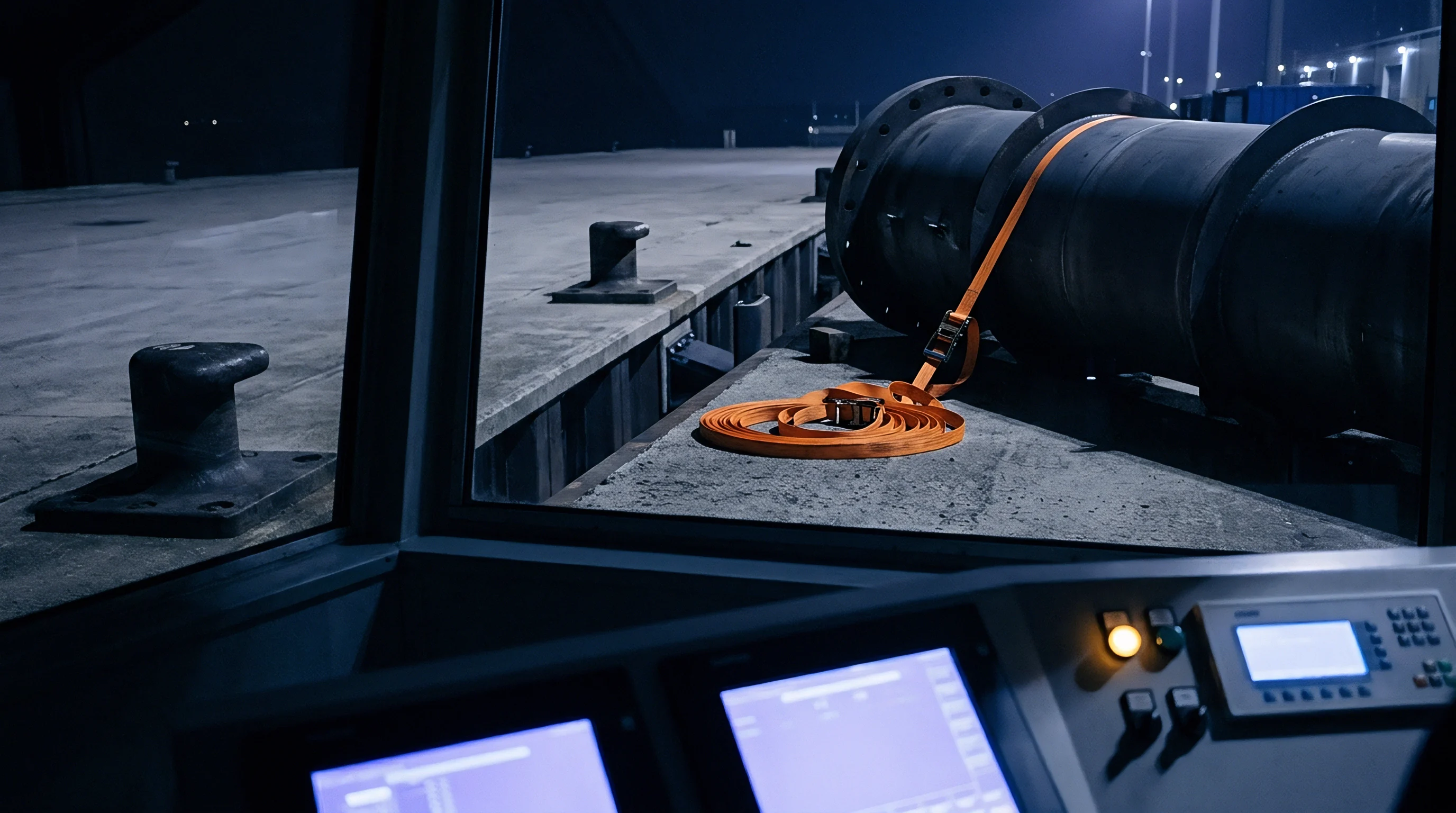
The South Carolina Ports Authority has paused cargo operations at the newly built Hugh K. Leatherman Terminal in Charleston, redirecting vessel calls and container traffic to the city’s other terminals. For cargo owners moving freight through Southeast gateways, consolidating that volume raises yard utilization and heightens the risk of gate congestion just as peak shipping season builds. The port authority stepped back after the facility moved just 75,000 twenty foot equivalent units over the past fiscal year.
Context
Shippers relied on Southeast ports as a relief valve against West Coast backups and potential labor disruption along the East Coast. Logistics planners tracked berth capacity as an indicator of regional fluidity, counting on multiple open terminals to absorb volume spikes without localized gridlock. The question has always been whether Southeast infrastructure could hold down vessel dwell times when cargo surges hit.
Analysis
The pause reflects weak regional container volume running up against high terminal operating costs. Taking a terminal offline works like shutting a highway lane ~ freight compresses into narrower corridors, shrinking the margin for error once ship traffic picks up. Funneling vessel calls into Wando Welch and North Charleston trims operating overhead for the port, but stacks transpacific and transatlantic volumes onto fewer cranes and crowded yard space. If vessels bunch up at anchorage, the bottleneck will hit drayage operations first and push back inland warehouse deliveries.

Parameters
- Active capacity removed ~ The 700,000 twenty foot equivalent units of annual capacity now taken out of service.
- Underutilized throughput ~ The 75,000 twenty foot equivalent units processed at the facility during the last fiscal year.
- Action date ~ August 1, 2026, marking the start of the operational pause and consolidation.
- Regional volume change ~ A 5% year over year decrease in container traffic processed by the Port of Charleston.
Outlook
Importers will need to track berth queues and container dwell figures closely at Wando Welch and North Charleston over the coming weeks. The pressure will mount as holiday retail inventory arrives and ocean carriers reshuffle string rotations. Once box dwell at the remaining terminals edges past four days, cargo owners will have to look at alternate inland routes before demurrage bills start mounting.
Verdict
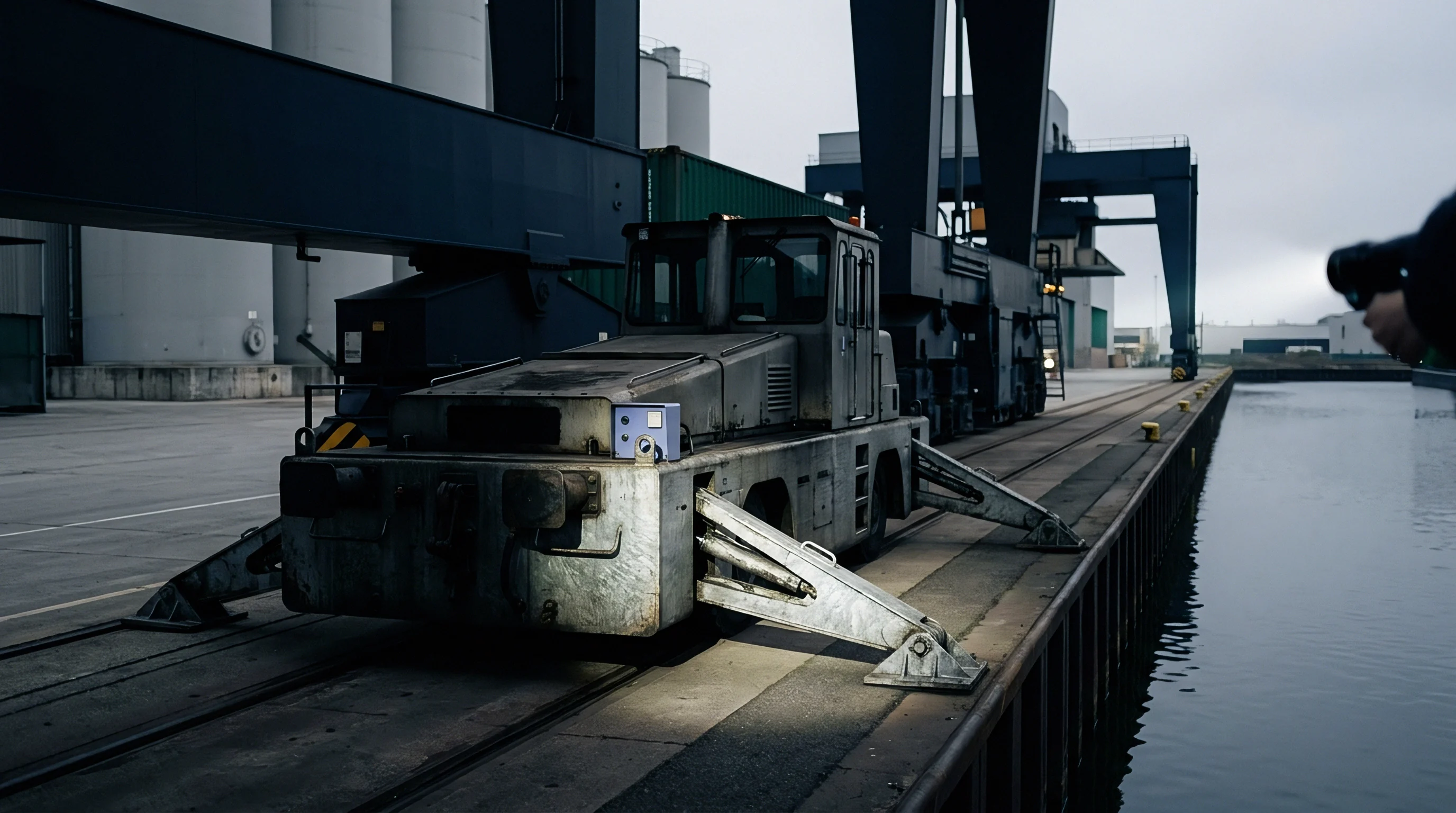
Consolidating cargo handling at fewer terminals will squeeze Southeast yard capacity, requiring buyers to add two additional days of buffer time to drayage schedules during peak shipping season.