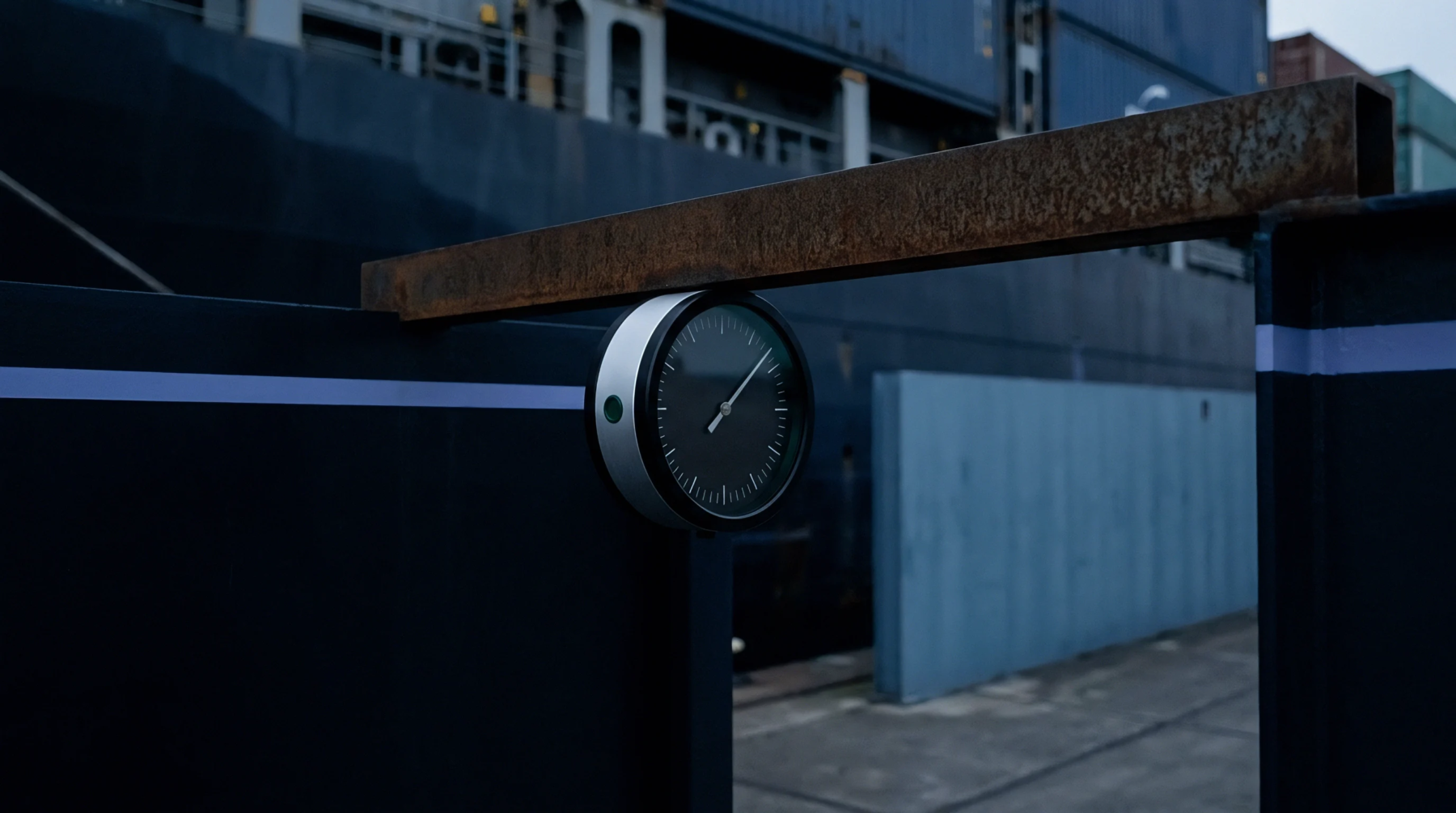
Port Architecture
Physical docks, gantry cranes and container yards constitute ocean freight infrastructure, representing the heavy capital assets that handle maritime cargo transfers. Cargo throughput volumes and dwell times drive investment cycles in these facilities, shifting according to seasonal shipping peaks and broader economic demand. Port authorities track berth productivity metrics monthly to gauge capacity constraints before congestion spreads to inland transportation networks.
Long-term debt instruments finance terminal expansions, which must generate sufficient revenue from wharfage fees and crane rentals to service bond obligations.
Vessel Fleets
Container ships, bulk carriers and tanker fleets form the mobile component of ocean freight infrastructure, operating on fixed schedules across international maritime routes. Fleet operators monitor daily bunker fuel prices and charter rates to optimize steaming speeds and reduce voyage costs on long-haul routes. Quarterly financial statements reflect capital expenditures on newbuild tonnage and retrofits aimed at compliance with environmental regulations.
Maritime registries record vessel ownership transfers and safety certifications, providing transparency for insurers and cargo owners financing transoceanic shipments.
Intermodal Corridors
Rail lines, barge canals and highway connections link maritime terminals to inland distribution hubs, completing the physical network required for global trade. Logistics planners evaluate rail car availability and drayage truck capacity weekly to prevent bottlenecks at coastal interchange points. Regional planning agencies allocate public funds for rail bridge clearances and highway expansions based on freight volume forecasts submitted by terminal operators.
Supply chain stakeholders measure corridor efficiency through total transit time from berth of origin to final warehouse delivery, isolating delays caused by physical bottlenecks from documentation errors.