Capacity Efficiency
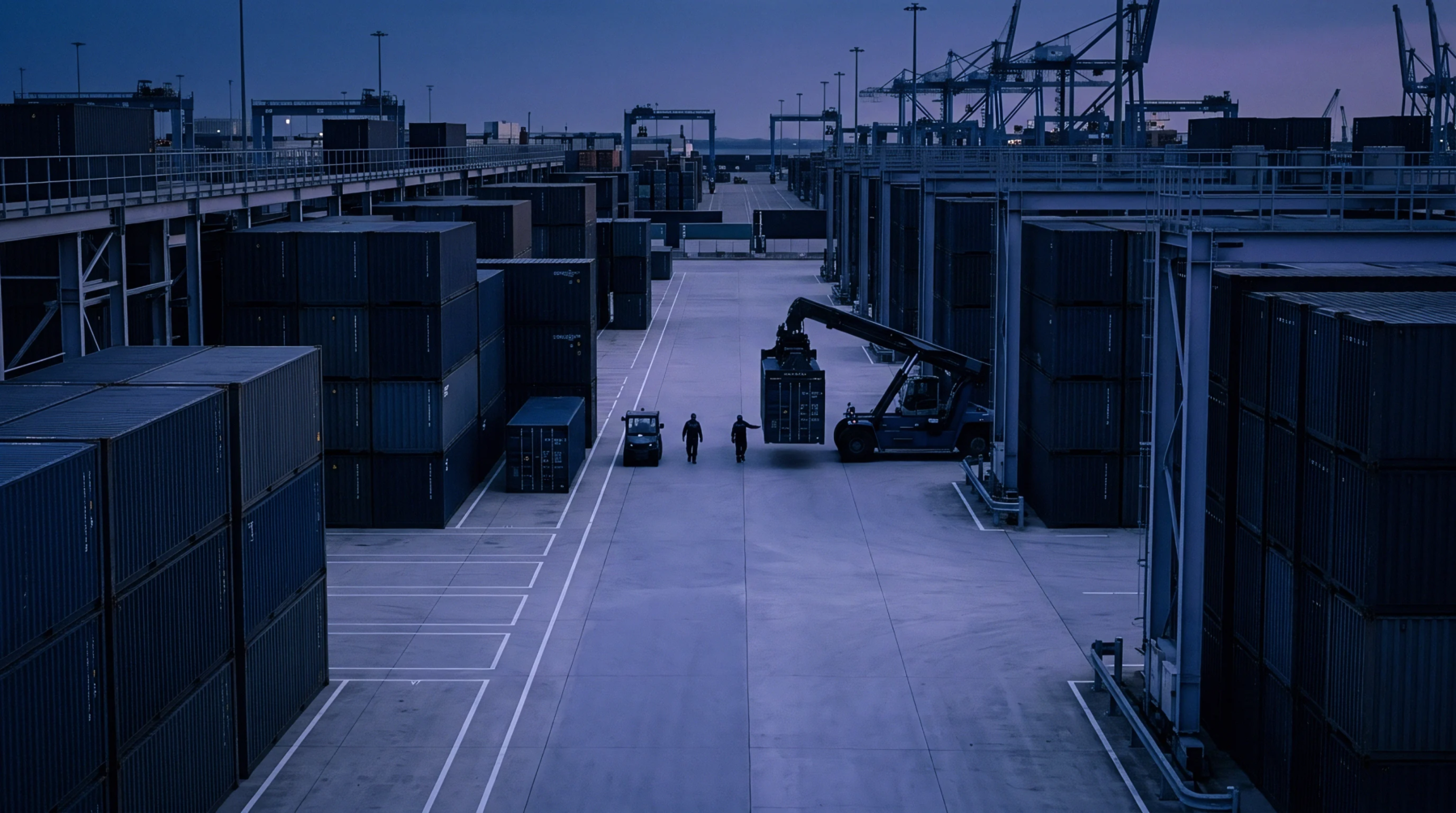
Terminal utilization denotes the ratio between the actual volume of cargo processed within a facility over a fixed period and the maximum throughput potential of the infrastructure during that interval. Operations managers track terminal utilization to determine how much of the available physical space and equipment bandwidth remains available for future bookings. When port throughput climbs toward the physical limits of the yard, bottlenecks appear in the transfer of containers between rail lines and vessel berths.
High occupancy levels force management to adjust gate hours or prioritize vessel berthing slots to maintain liquidity in the cargo flow. This measurement stays bounded by the physical hardware of the site, including crane density and total ground slots, rather than external market factors.
Operational Performance
Analysts calculate the throughput metrics by dividing the number of twenty-foot equivalent units moved by the theoretical limit of the handling equipment. Efficiency declines when yard density restricts the speed of mobile machines moving between stacks. A low result indicates that assets sit idle or that throughput demand remains too weak to justify the current scale of infrastructure.
Managers use these reports to decide when to invest in additional gantry cranes or when to lease more warehouse space to handle volume spikes. Every increase in throughput density creates friction in the transfer process, which forces operators to balance the speed of vessel loading against the risk of container congestion on the quay. A measured figure provides a specific snapshot of performance that differs from the daily volume counts.
Infrastructure Throughput
Regulators monitor the average density of transit hubs to ensure that safety protocols remain effective during peak congestion cycles. Excessive throughput levels trigger automated alerts that demand immediate adjustments to vessel schedules or cargo diversion strategies. Ports with restricted footprints frequently experience volatility in these metrics while inland depots maintain higher consistency across seasonal cycles.
Reliable data helps site operators optimize the deployment of yard labor and maintenance crews. Higher figures indicate that the physical assets of a logistics hub reach the threshold where further volume additions degrade service speed.