Congestion Mechanism
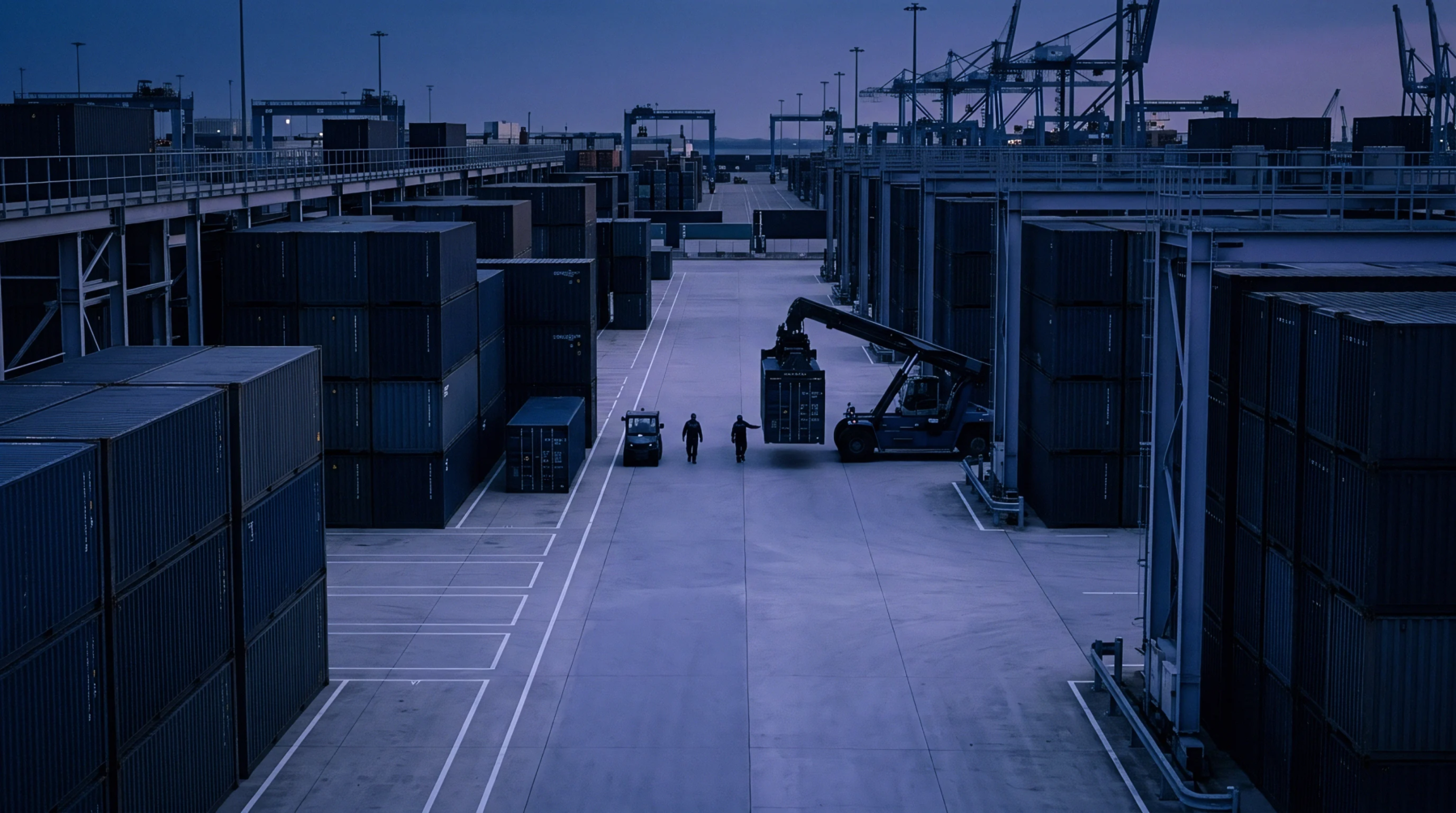
Systemic delays occurring at major maritime gateways prevent the efficient movement of ocean freight and disrupt global distribution schedules. These localized constraints, commonly termed harbor bottlenecks, arise when the volume of arriving cargo exceeds the processing capacity of terminal berths and landside transport networks. Rapid surges in trade volumes or sudden labour shortages can trigger these blockages.
Severe winter weather and mechanical breakdowns also contribute to the gridlock.
Logistics Disruption
Container ships must wait at anchor when harbor bottlenecks choke primary ports of entry. This waiting time reduces the global supply of available shipping vessels. Shippers face delayed deliveries, which can force factory shutdowns or stock shortages in retail warehouses.
Cost Escalation
Ocean freight rates tend to rise sharply when these port delays limit the effective capacity of the active merchant fleet. Importers must pay demurrage fees when cargo remains trapped inside terminals past the allowed free time. These charges are passed down to final buyers, increasing the cost of consumer goods.
Port authorities attempt to resolve harbor bottlenecks by extending gate hours and investing in automated yard crane systems. Success takes years to realize. Over time, persistent blockages prompt freight forwarders to reroute shipments through smaller, less congested regional ports.