Panama Canal Transit Cuts Raise Ocean Freight Rates for Eastern Buyers

Restricted Panama Canal transits trigger carrier surcharges and longer delays on US East Coast routes.


27.08.26 2 min

Briefing

The Panama Canal Authority is cutting daily vessel transits from 36 to 32 ships by mid-September to protect freshwater reserves during a deepening drought. Sourcing desks face immediate schedule delays and new carrier surcharges starting September 10. Unbooked vessels now must compete in a restructured slot auction where operators have paid up to a record 4.6 million dollars to jump the queue.

A digital render shows a suspended freight package positioned between angled steel impact arms inside a dark industrial testing facility.

Context

Procurement teams assumed the regional rainy season would stabilize canal capacity through the end of the year. Shippers expected regular sailing schedules, hoping to avoid the transit caps that disrupted routes in previous seasons. The priority for buyers was locking down peak-season ocean rates without having to factor in major drought delays.
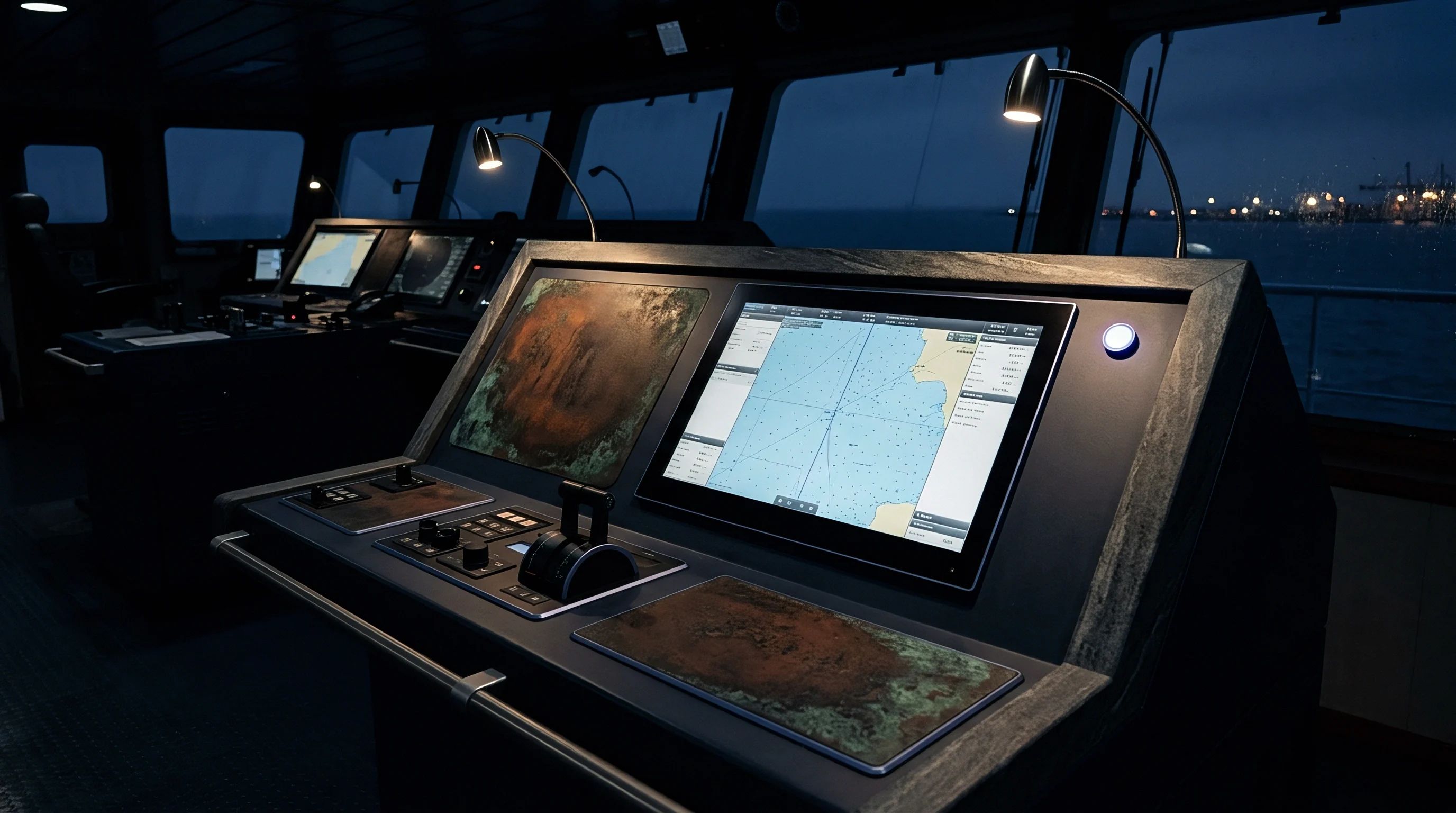
Marine navigation electronics and digital chart displays illuminate a dark ship bridge overlooking coastal waters during evening operations.

Analysis

The transit restrictions follow summer rainfall that came in 34 percent below historical averages. The shortfall directly limits inflows into Gatun Lake, which supplies the millions of gallons of freshwater needed to cycle the canal locks. With water levels dropping, the authority is rationing daily passages and creating backlog. Ocean carriers are passing the costs straight to shippers via new surcharges of up to 500 dollars per container, immediately raising landed import costs.

A metal anemometer sensor mounts beside a contoured steel shield attached to a painted industrial housing overlooking heavy transit rails.

Parameters

  • Daily Transit Limit ~ 32 ships permitted to transit the canal by September 15, down from 36 vessels.
  • Neopanamax Lock Allocation ~ 9 daily slots for the largest class of container ships starting September 3.
  • Rainfall Deficit ~ 34 percent below historical averages across the canal watershed between May and August.
  • Record Slot Auction Price ~ 4.6 million dollars paid by an operator to secure immediate passage through the canal.
  • Panama Canal Adjustment Factor ~ 500 dollars per twenty-foot equivalent unit added to freight invoices by CMA CGM on September 10.
  • Neopanamax Draft Limit Postponement ~ October 1 is the rescheduled date for the next draft limit reduction to 47.5 feet.

Bulk material transfer equipment suspends an aggregate feeder hopper filled with particulate raw inputs inside a heavy manufacturing facility overlooking a waterway.

Outlook

Restricted transit capacity will maintain upward pressure on transatlantic and transpacific container rates through the third quarter. Shippers should plan for longer lead times as unreserved vessels face queues of several days. Tracking weekly Neopanamax slot auction prices on the Panama Canal Authority website will signal when carrier spot rates are poised to jump again.

Gray metal storage crates sit on a wooden floor in a dimly lit warehouse covered by protective blue fabric tarpaulins for transit protection.

Verdict

Lock in contract space with booking guarantees immediately or route cargo through West Coast ports to avoid escalating surcharges and severe transit delays.

Signal Acquired from: gCaptain

Nomenclature

Container Carrier Pricing

Carrier Cost ~ Maritime freight tariffs constitute the variable mechanism through which shipping lines recover capital expenditure and operational outlays during the transit of cargo from origin to destination.

Cargo Frontloading

Inventory Precedence ~ Shipment scheduling patterns dictate that cargo frontloading occurs when shippers pull production volumes forward to arrive at destination ports before peak demand windows.

Route Diversion Costs

Operational Variance ~ Financial charges arise when maritime carriers adjust planned vessel trajectories due to congestion, extreme weather or port closures.

Bulk Cargo Shipping

Cargo Classification ~ Unpackaged commodities move across maritime routes through dedicated vessel holds that utilize gravity or mechanical grab systems for loading and discharge operations.

Vessel Draft Restrictions

Navigational Limit ~ Maximum allowable underwater vessel depth thresholds enforce safe physical clearance between a ship's keel and the seabed within shallow waterways, canal locks, and port approach channels.

Port Delay Risks

Maritime Metric ~ Quantitative assessments of logistical friction represent the probability that cargo dwell time exceeds scheduled berths or container processing windows within a terminal jurisdiction.

Canal Transit Slots

Allocation Mechanism ~ Canal transit slots represent the authorized passage permissions sold by maritime authorities to manage vessel queues through restricted waterways.

Ocean Transport Capacity

Market Volume ~ Maximum aggregate payload capacity deployed across transoceanic container routes constitutes the baseline metric of ocean transport capacity, governing maritime freight pricing adjustments and asset utilization thresholds until trade route demand profiles shift.

Carrier Capacity Management

Strategic Allocation ~ Fleet utilization strategies determine how transport providers allocate and control the cargo space available on their active vessels.

Supply Chain Delays

Logistics Impediment ~ Interruption in the movement of raw materials or finished goods along a network creates a temporary misalignment between production output and consumer demand.

Peak Season Logistics

Seasonal Protocol ~ Peak season logistics governs the operational surge required to move elevated freight volumes across international transport networks during predictable retail spikes.

Maritime Trade Routes

Lane Geometry ~ Geopolitical stability and physical geography dictate maritime trade routes, governing the transit of bulk commodities and manufactured goods across oceans.

What the firm knows, published

Expertise is a utility, not a secret. sentiention™ publishes its working knowledge as open reference: intelligence layer covering the materials it sources, the markets it enters, and the reference that serves both.