Transpacific Carriers Schedule Fourteen Blank Sailings as Panama Restrictions Tighten

Importers face higher costs and delays as carriers cancel transpacific sailings to manage capacity.


30.08.26 2 min

Briefing

Transpacific ocean carriers have scheduled fourteen blank sailings between late August and mid-September, restricting vessel capacity ahead of expected seasonal demand surges and ongoing Panama Canal low-water restrictions. This withdrawal of cargo space leaves shippers competing for fewer slots, pushing up spot rates and stretching lead times as freight sits longer at Asian export hubs. Importers moving cargo from Asia to North America face immediate rollovers and transit delays, particularly during the heaviest cancellation window, which pulls eight scheduled voyages from the trade lane in a single week.

Polished metal milling vessels align along a dark industrial workbench inside a materials testing and sample preparation facility.

Context

Prior to these cancellations, procurement teams were tracking a sharp rebound in transpacific spot rates and assessing whether early peak-season demand would taper before autumn. Most shippers anticipated stable carrier schedules through late summer to manage holiday inventory volumes. The immediate question was whether buyers could negotiate lower rates on the spot market once front-loaded, tariff-driven demand began to level off.

A circular industrial clock with a minimal face mounts directly onto a dark metal shipping container beneath a weathered steel beam.

Analysis

Lines are leaning on blank sailings to protect spot rates against softening seasonal demand while managing operational bottlenecks. Cancelling a voyage pulls a vessel directly from the rotation, consolidating available cargo onto fewer ships and lifting spot pricing. Draft restrictions from low water levels in the Panama Canal compound the problem, forcing vessels to sail with lighter loads and triggering carrier surcharges. For cargo owners, this capacity squeeze translates into booking delays, rolled containers, and higher landed freight costs.

Stamped steel automotive panels rest beside textile storage sacks and stacked metal shims on a dark workbench.

Parameters

  • Cancelled Sailings ~ 14 blank sailings are scheduled on transpacific lanes between late August and mid-September to reduce available vessel space.
  • Peak Disruption Window ~ 8 blank sailings will occur during the single week of August 31 through September 6.
  • West Coast Spot Rate ~ USD 6,965 per forty-foot equivalent unit represents the average spot market cost for shipments from the Far East to the United States West Coast.
  • East Coast Spot Rate ~ USD 10,249 per forty-foot equivalent unit is the average cost to ship a container from the Far East to the United States East Coast, reflecting heightened pressure on alternative gateways.

Folded textile samples and hanging fabric swatches are arranged on a dark slate staging surface within a structured metal framework.

Outlook

Importers should expect longer transit times and rolled cargo into early autumn. Tracking weekly Shanghai Containerized Freight Index updates through September will signal market direction: rising index figures confirm that carrier capacity cuts are holding rates up, while declines will show that underlying demand is too weak to sustain current pricing.
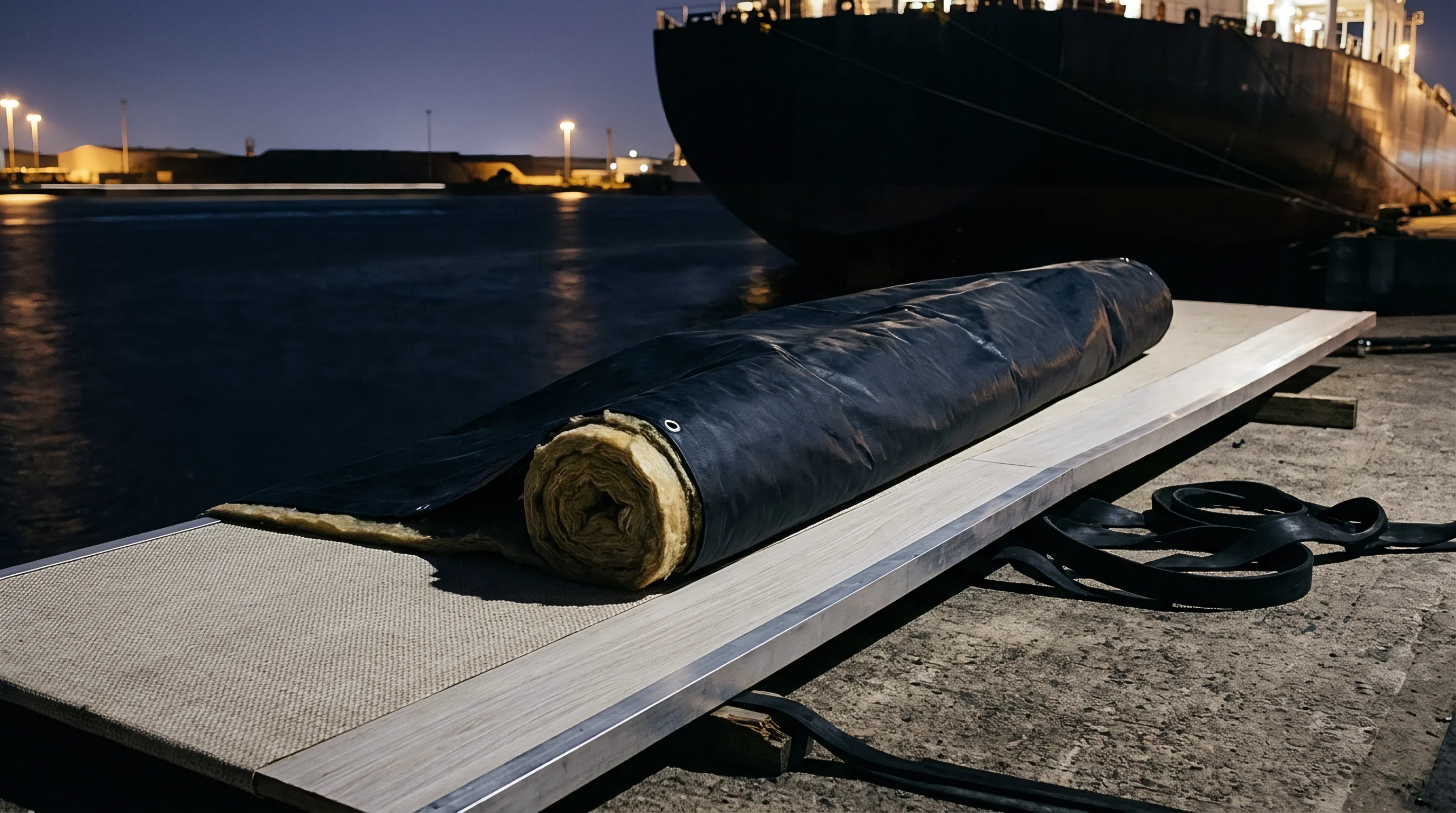
A wrapped roll of industrial insulation material rests on a wooden loading platform beside a dark cargo vessel at night.

Verdict

Buyers should secure bookings four to six weeks in advance to bypass scheduled blank sailings and avoid costly transpacific cargo rollbacks.

Signal Acquired from: Global Logistical Connections

Nomenclature

Trade Lane Complexity

Operational Density ~ Trade lane complexity measures the multiplicity of regulatory frameworks, transshipment nodes and documentation hurdles that freight encounters between origin and destination.

Supply Chain Risk

Vulnerability Assessment ~ Procurement disruption probabilities describe the likelihood of external events damaging the continuity of material flows through global logistics networks.

Blank Sailings

Service Withdrawal ~ The intentional cancellation of scheduled ocean transport services allows carriers to manage vessel capacity and stabilize freight rates during periods of low demand.

Ocean Cargo Capacity

Stowage Volume ~ Physical volume and weight ratings define the total freight volume that merchant cargo ships can legally and safely transport across international waterways.

Route Planning

Logistical Sequencing ~ Mathematical optimization identifies the most efficient path for vehicles to navigate between multiple geographic points while minimizing distance, time, and fuel expenditure.

Shipping Route Diversion

Navigational Deviation ~ Alteration of a vessel's planned path away from the optimal great circle track occurs when external circumstances force a departure from standard maritime schedules.

Maritime Logistics

Oceanic Coordination ~ Management of sea transport and port operations ensures the smooth movement of goods across the globe.

Vessel Schedule Reliability

Operational Metric ~ Periodic assessment of maritime transit efficiency quantifies vessel schedule reliability by measuring the percentage of container ships arriving at their destination port within a specific timeframe of the pro forma transit plan.

Freight Procurement

Vendor Selection ~ Cargo capacity sourcing identifies the specific negotiation and contracting actions undertaken by organizations to secure external transportation services for the movement of goods through global supply chains.

Canal Transit Restrictions

Navigational Limit ~ Physical and regulatory limits imposed on vessels navigating through artificial waterways ensure safety and manage the flow of global maritime traffic.

Carrier Capacity Management

Strategic Allocation ~ Fleet utilization strategies determine how transport providers allocate and control the cargo space available on their active vessels.

Transpacific Freight

Operational Volume ~ Transpacific Freight designates the total cargo movement across the northern Pacific Ocean between Asian manufacturing centers and North American destination ports.

What the firm knows, published

Expertise is a utility, not a secret. sentiention™ publishes its working knowledge as open reference: intelligence layer covering the materials it sources, the markets it enters, and the reference that serves both.