Global Arabica Coffee Stocks Reach 26-Year Low Raising Spot Procurement Costs

Procurement teams face sustained 3.00 dollar price floors as exchange inventories fall to levels unseen since May 2000.


29.08.26 2 min

Briefing

ICE Arabica coffee exchange stocks fell to 224,011 bags on August 28, the lowest inventory level in over two decades. The drawdown points to a severe shortage of deliverable high-quality beans in the global benchmark system, keeping a firm price floor above 3.00 dollars per pound. Shrinking certified holdings are raising basis risk for buyers and pushing market participants into an expensive spot market to fulfill orders. Total certified inventory currently stands at 224,011 total bags.

A wooden shipping pallet lies on a concrete floor centered between two coiled ropes with a lectern and data charts in a dark industrial space.

Context

Procurement desks were watching Brazil for signs of a surplus harvest to drive contract rates down. Early projections showed strong yields for the 2026 to 2027 season, leading sourcing managers to expect those arrivals to refill global pipelines and ease the high premiums seen in early 2026.

Structural steel fasteners and blue painted mounting brackets rest on a slate staging plate inside a heavy industrial manufacturing warehouse.

Analysis

Warehouse scarcity is driving benchmark prices regardless of farm yield. Certified inventory serves as the primary source for settling derivative contracts, but Brazilian farmers are holding back beans in cheaper local storage while waiting for better future prices. That keeps inventory in production zones rather than delivery centers. The disconnect between farm stocks and exchange stocks has inverted the market, pushing spot prices to a heavy premium over future delivery dates. Procurement schedules are stretching out as available lots get snapped up by traders closing short positions rather than manufacturers fulfilling industrial orders.
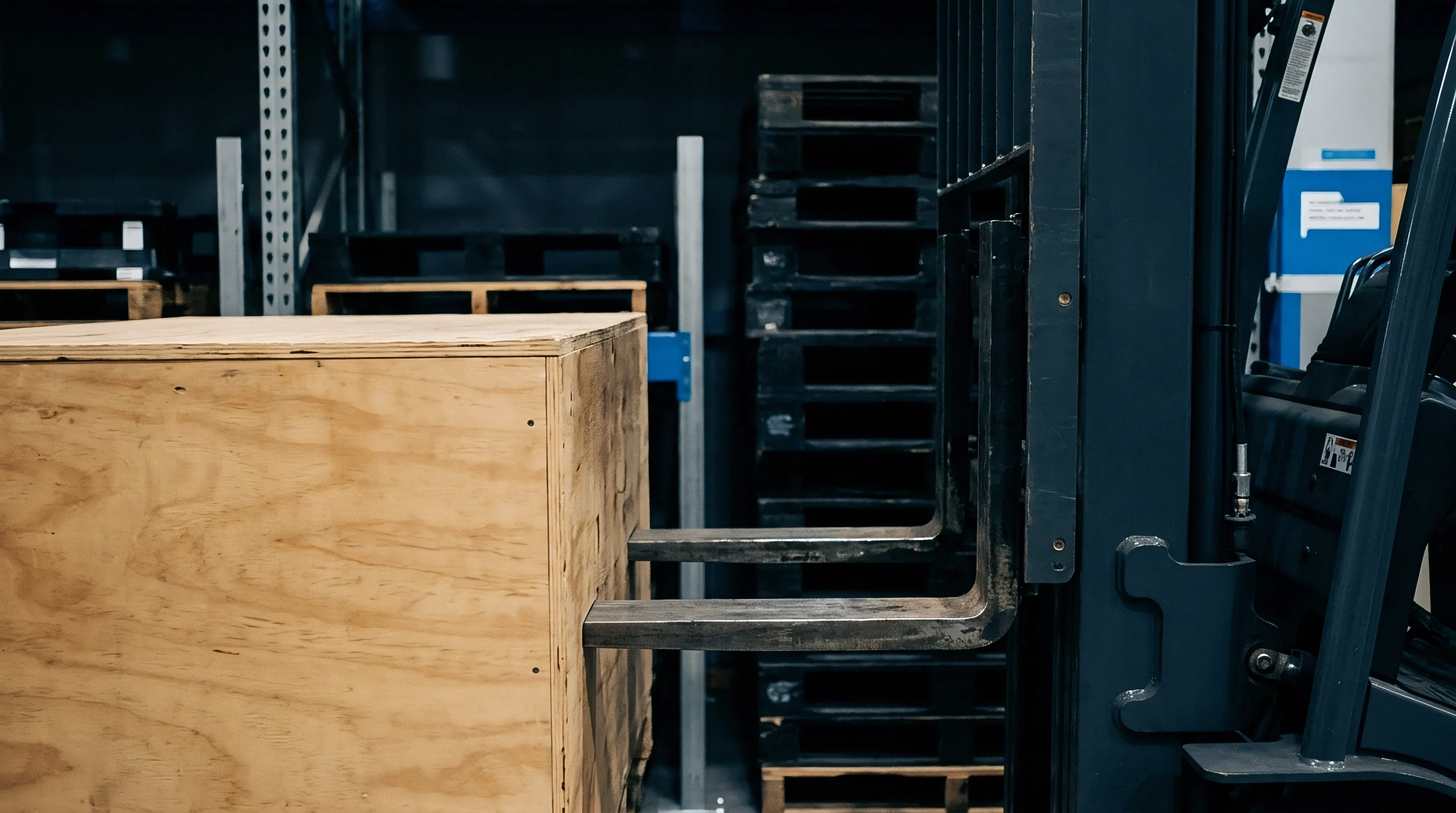
Heavy steel forklift forks engage the underside of a large plywood shipping crate inside an industrial warehouse containing multiple stacked black plastic pallets.

Parameters

  • Inventory Level ~ 224,011 bags represents the lowest quantity of available arabica within the ICE exchange warehouse system since the year 2000.
  • Benchmark Price Floor ~ 3.00 dollars per pound remains the functional floor for buyers while warehouse stock numbers stay below historic averages.
  • Contract Premium ~ 32 cents is the markup for front-month September delivery over December futures contracts.
  • Supply Projection ~ 8.2 million bags is the expected harvest surplus that has not yet showed up in warehouse data.

A green metal industrial unit with copper pipes rests within a steel mesh pallet container on a workshop floor near windows.

Outlook

Sourcing teams should monitor weekly report volumes from Brazilian cooperatives to track when inland storage hits capacity. Reaching physical storage saturation will force producers to liquidate positions and ship beans to the export market. The September settlement cycle will show whether exchange levels stabilize, while a failure to replenish inventories by October suggests benchmark volatility will stretch into the final quarter.

A heavy mineral deposit rests precariously beside a dark ceramic receptacle while a hand parts sheer fabric in a dim industrial studio.

Verdict

Maintain coffee budgets at a three dollar baseline until Brazilian export flow restores deliverable exchange volume.

Signal Acquired from: The Straits Times

Nomenclature

Supply Scarcity

Resource Constraints ~ A prolonged deficit in the availability of essential manufacturing components or raw materials limits industrial output and driving commodity price inflation.

Commodity Futures

Derivative Instrument ~ Standardized financial contracts obligating the holder to buy or sell a specific quantity of a physical asset at a predetermined price on a set future date facilitate price discovery and risk transfer.

Exchange Inventories

Stock Settlement ~ Commodity holdings held within designated warehouses represent physical units certified by a trading venue to satisfy future contracts upon reaching their designated expiration dates.

Forward Spreads

Curve Differential ~ Yield divergence between two distinct maturities in a fixed income asset class forms a forward spreads calculation that positions interest rate expectations along a specific debt curve.

Agricultural Sourcing

Market Mechanism ~ Commercial procurement of raw biological materials requires buyers to secure long-term purchase agreements directly with primary producers or designated regional aggregators.

Price Benchmarking

Market Valuation ~ Systematic rate evaluation establishes the economic threshold where supplier proposals collide with historical procurement data inside industrial supply chains.

Arabica Coffee

Botanical Classification ~ Coffea arabica represents a high altitude shrub species within the Rubiaceae family that provides roughly sixty percent of global bean supply.

Deliverable Grade

Quality Benchmark ~ Specific quality and purity standards defined by commodity exchanges determine which physical assets can be used to settle futures contracts.

Coffee Roasting Supply

Inventory Volume ~ Green coffee bean inventory stored in designated warehouses forms the primary buffer between agricultural production and retail distribution.

Agricultural Commodities

Supply Valuation ~ Cultivated crop yields traded on global exchanges represent the primary category of agricultural commodities whose spot prices fluctuate according to seasonal weather patterns and inventory reports.

Brazilian Harvest

Agricultural Yield ~ Agricultural output from South America represents a primary driver of global bulk shipping volumes and trade flow adjustments.

Global Bean Storage

Warehousing Network ~ Specialized regional repositories situated near major ports and consumer markets hold reserves of agricultural commodities to balance seasonal supply with steady annual demand.

What the firm knows, published

Expertise is a utility, not a secret. sentiention™ publishes its working knowledge as open reference: intelligence layer covering the materials it sources, the markets it enters, and the reference that serves both.