Georgia-Pacific Closes Tacoma Gypsum Plant Raising Northwest Drywall Sourcing Costs
Pacific Northwest drywall buyers must transition to alternative mills as Georgia-Pacific closes its Tacoma gypsum facility.
Briefing
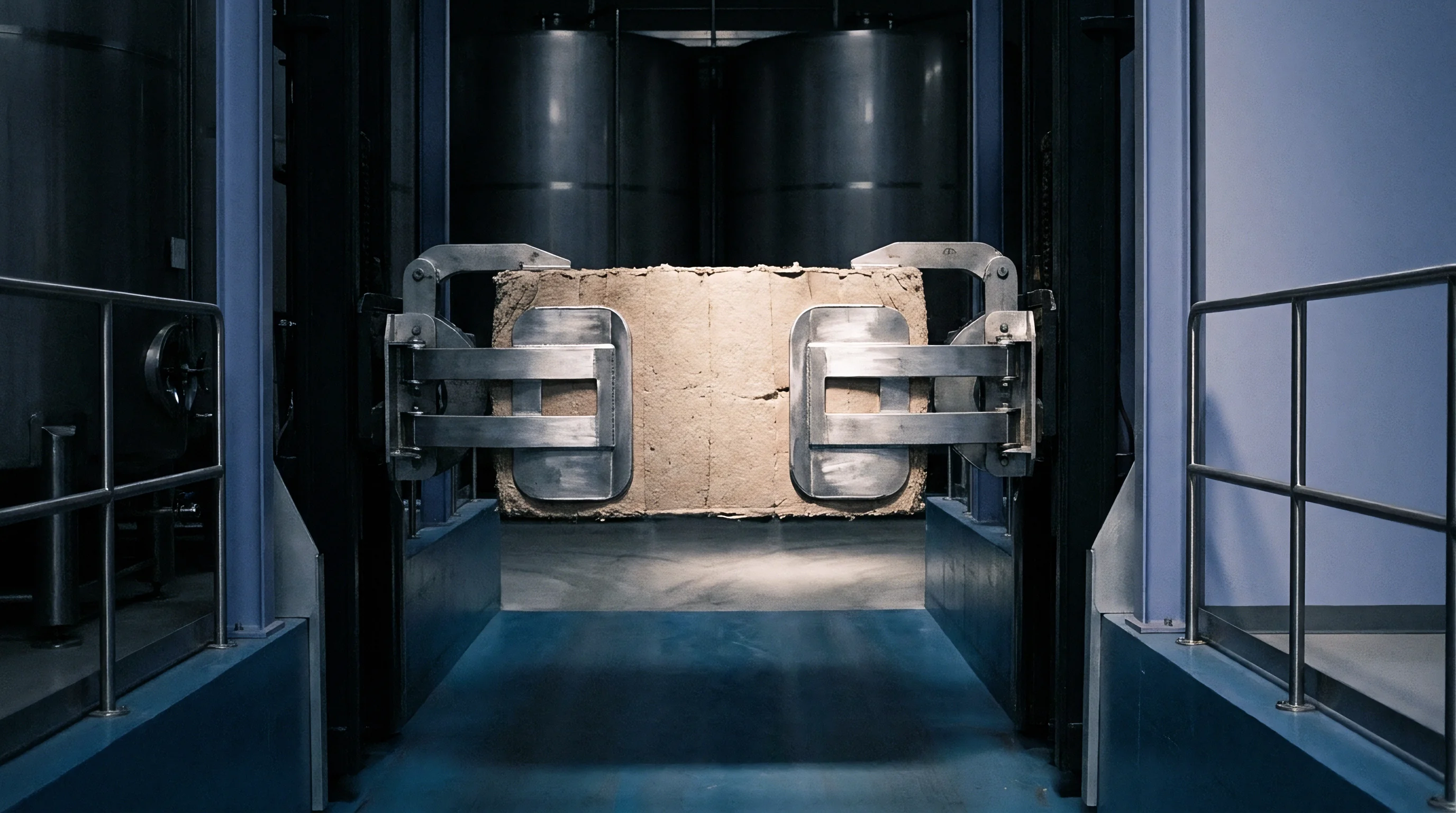
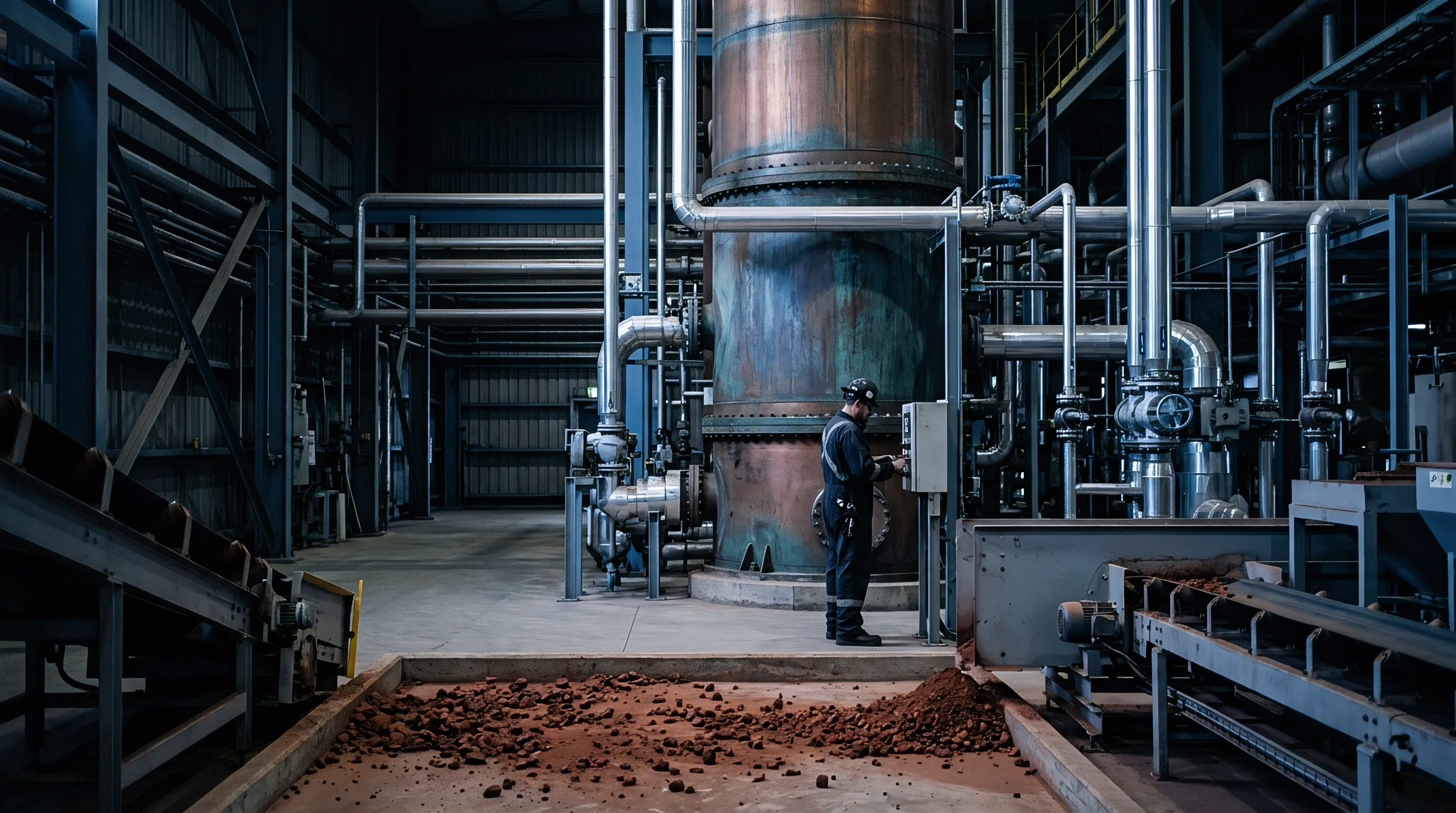
Georgia-Pacific is permanently closing its gypsum manufacturing plant in Tacoma, Washington, forcing Pacific Northwest builders and distributors to haul drywall and specialized sheathing from more distant mills. The waterfront facility, a steady regional supplier for decades, will wind down operations over the next forty-five days. Shutting the site removes a key regional production hub, eliminates 120 jobs, and leaves local procurement teams with longer lead times and higher freight exposure.
Context
Until the announcement, regional buyers relied on the Tacoma plant for dependable supplies of moisture-resistant gypsum boards and fiberglass-mat sheathing. Even as housing slowed, sourcing desks had expected the facility to maintain baseline production to service existing commercial contracts and long-term infrastructure work.

Analysis
The closure follows a prolonged slump in residential repair and remodel activity. Existing-home sales turnover ~ the main volume driver for wallboard demand ~ has dropped to a thirty-year low, prompting Georgia-Pacific to consolidate gypsum production across fewer sites. For Pacific Northwest buyers, this turns local short-haul trucking into long-distance hauls from out-of-state mills. Regional deliveries will carry higher freight rates, longer transit windows, and greater vulnerability to interstate transport bottlenecks. Distributors now have to line up alternative supply routes or pass those added transportation costs directly down to builders.
Parameters
- Shutdown Timeline ~ Operations cease in 45 days from September 2, 2026, with the first layoffs scheduled for October 30, 2026.
- Labor Impact ~ 120 full-time employees are affected by the closure of the Tacoma facility.
- Primary Demand Driver ~ Home turnover is currently at a 30-year low, depressing regional remodel activity.
Outlook
Sourcing teams should monitor inbound volumes at secondary distributors to gauge how readily replacement mills can absorb the shift. Over the coming weeks, procurement desks will need to rework freight terms and pricing agreements to counter the logistical disruption. Tracking existing-home sales data through year-end will show whether demand stays muted or if an unexpected rebound will leave buyers competing for tighter supply.

Verdict
Pacific Northwest buyers must immediately audit their drywall supply chains, lock in secondary suppliers outside Washington, and adjust project budgets to absorb higher freight costs.