Manufacturing Operation Cessation
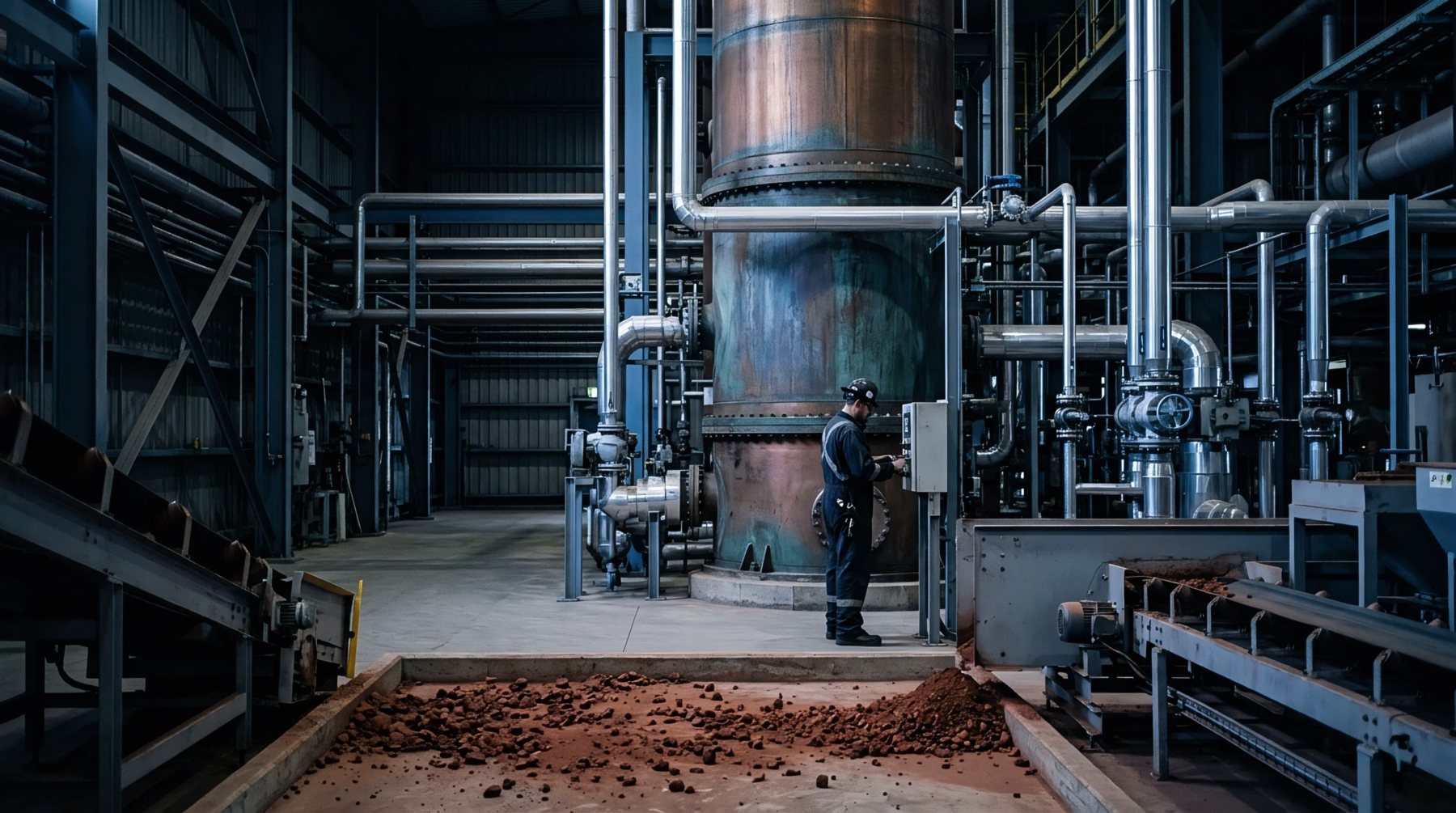
Permanent cessation of manufacturing operations occurs when a production facility stops generating output and decommissions its assembly lines. Scheduled factory closures represent a major shift in industrial capacity and often follow changes in market demand or the obsolescence of specific technologies. Physical inactivity applies to the entire physical site rather than to temporary maintenance pauses.
Industrial Capacity Reduction
Economic factors such as rising energy costs or the relocation of labor to lower cost regions often trigger the decision to shutter a plant. During factory closures, the removal of specialized machinery and the termination of local supply contracts alter the economic landscape of the surrounding region. The process includes the remediation of the site and the disposal of hazardous materials used in production.
Supply Chain Reconfiguration
Inventory management becomes a primary concern when a primary source of components disappears from the network. Because factory closures can disrupt the flow of raw materials to downstream processors, buyers must secure alternative vendors well in advance of the final production run. The impact extends to logistics providers who lose a steady volume of freight, forcing a reallocation of shipping assets to other routes.
Long term contracts often include clauses that require a specific notice period before a facility can be permanently removed from the production grid to allow for these adjustments.