Goodyear Closes Major North Carolina Factory Tightening Domestic Tire Sourcing
Goodyear closes its third-largest North American plant, tightening domestic tire supply and raising long-term contract rates.

Briefing
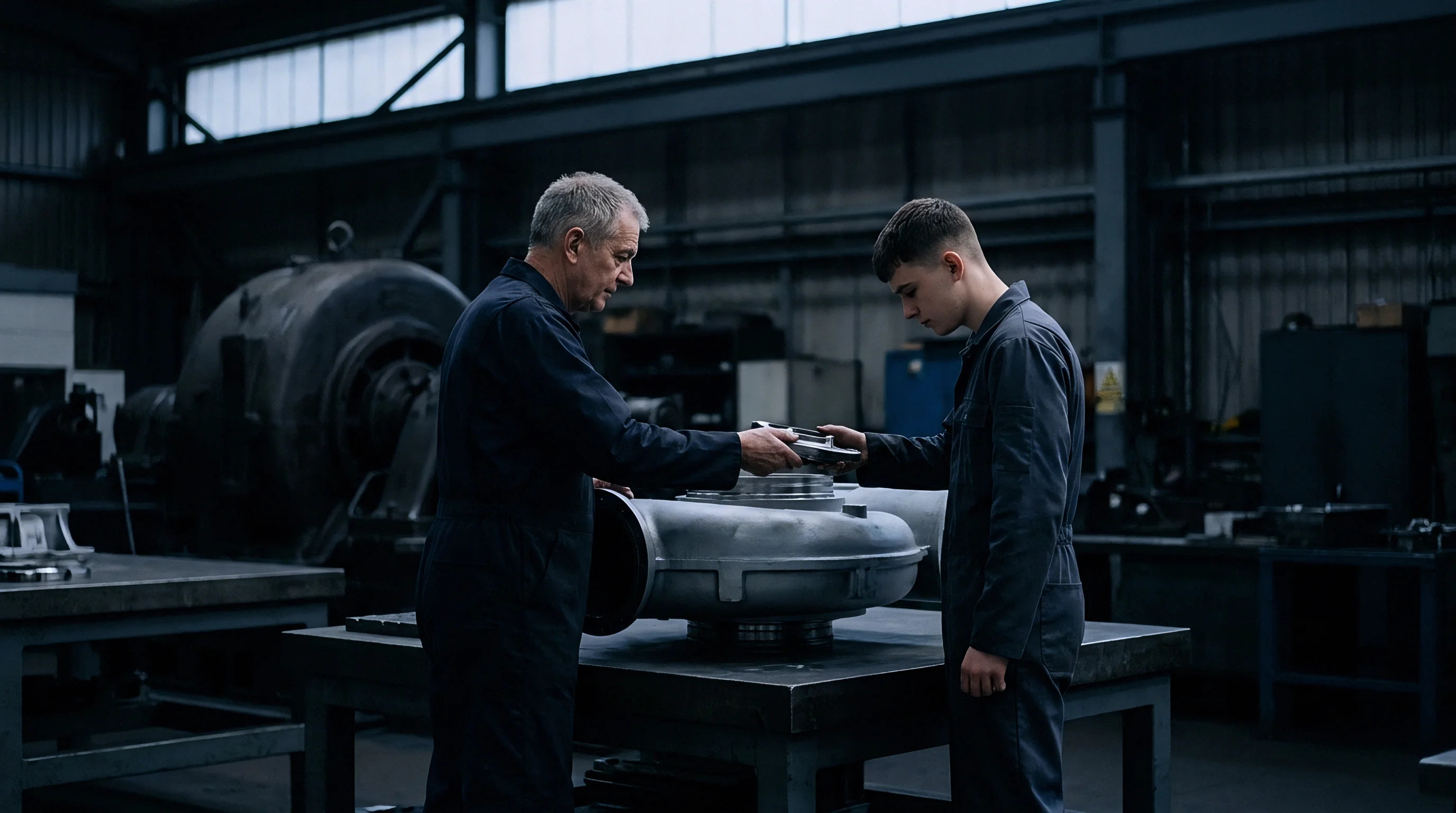
Goodyear and the United Steelworkers have agreed to permanently close the company’s consumer tire manufacturing plant in Fayetteville, North Carolina. The closure removes 41,500 tires a day from regional production, tightening domestic supply for automotive and fleet buyers who face higher freight costs as distribution shifts. Procurement teams should re-examine contract terms and establish alternative supply channels as the plant winds down output.

Context
Procurement desks have been tracking softening tire demand against rising production costs across North America. Buyers were uncertain whether major manufacturers would absorb shrinking margins or cut domestic capacity to defend profits. Most expected Goodyear to preserve its factory footprint and focus cuts on corporate overhead.

Analysis
The decision to close the facility highlights the high cost of maintaining older domestic manufacturing sites. Escalating regional energy and labor expenses made Fayetteville tires costly to produce relative to imports. The resulting supply gap will be covered by longer domestic shipments or foreign imports, stretching transit times and adding freight surcharges to purchase orders. Volume that previously moved short distances to East Coast distribution hubs will now come from plants further west, like Oklahoma, or from overseas. Sourcing desks should prepare for higher freight costs and potential shipping delays on passenger and light truck tire orders.
Parameters
- Daily Production Capacity ~ 41,500 tires, reflecting total volume removed from regional supply.
- Closure Date ~ December 31, 2027, the target date to complete operational wind-down.
- Workforce Impact ~ 1,750 positions cut at the facility.
- Annual Savings ~ $270 million in expected operating income improvement by 2028.

Outlook
Shipments from the North Carolina plant will decline in phases over upcoming quarters. Sourcing managers should track domestic inventory levels and import volumes starting this winter. Securing multi-year tire agreements before the next contracting cycle can lock in rates before output drops off sharply in late 2027. Buyers should also watch competing suppliers to see if they expand production to capture Goodyear’s lost market share.

Verdict
Automotive and fleet buyers should diversify their supply base and line up import alternatives before the 2027 plant shutdown to protect against freight surcharges and supply bottlenecks.