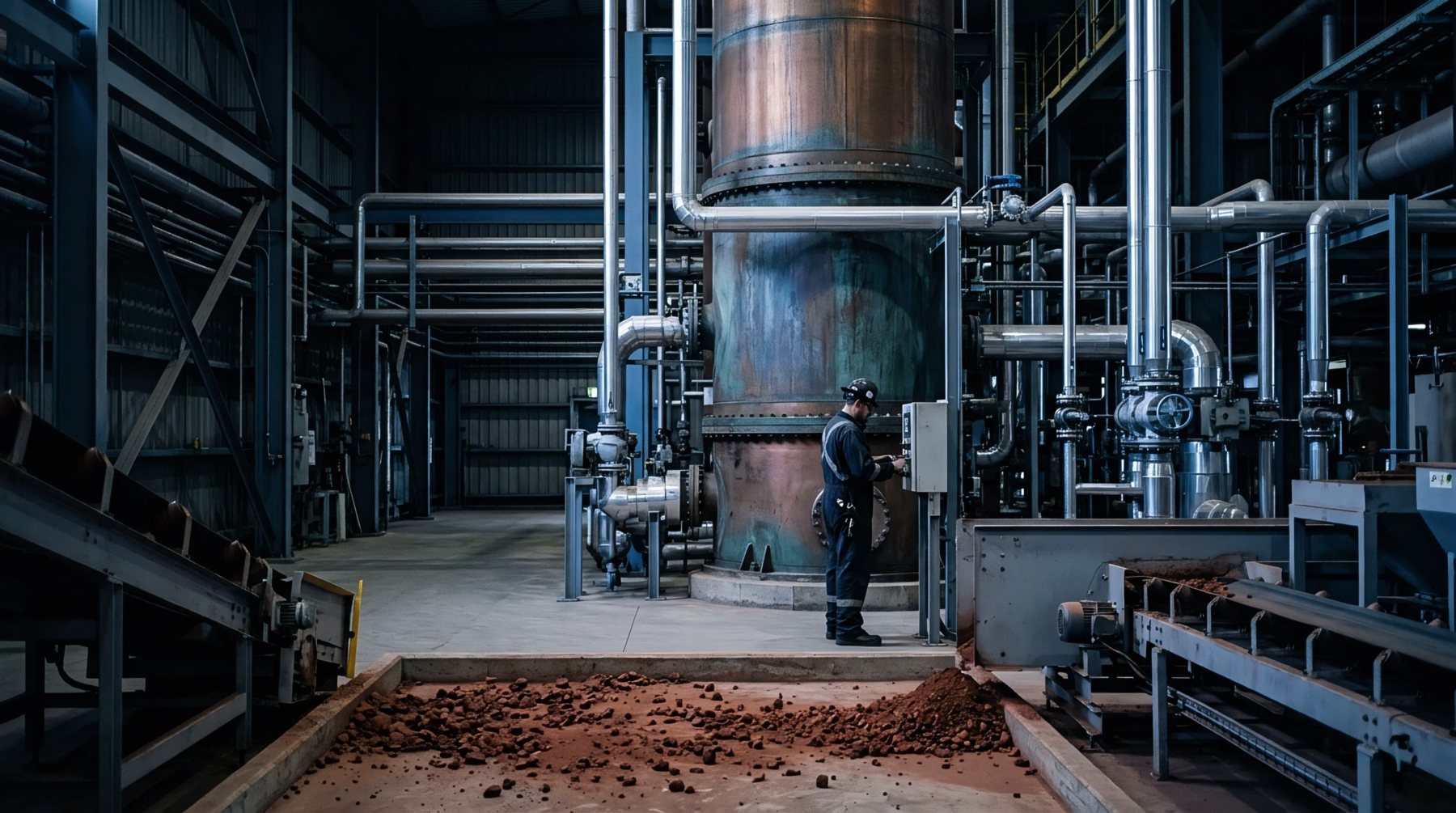
Calcination Protocol
Industrial processing of calcium sulfate dehydrate involves thermal dehydration to produce hemihydrate or anhydrous forms for construction materials. Gypsum manufacturing depends on precise temperature control within rotary kilns or kettles to drive off chemically bound water molecules. Efficient conversion relies on the purity of the raw mineral feed and the specific phase of the final powder desired by the end user.
Thermal Efficiency
Heating intensity dictates the crystalline structure of the resultant output, ranging from high-strength plaster to building panels. Moisture removal requires a stable fuel supply and accurate sensor data regarding the internal kiln atmosphere to avoid over-calcination into inert dead-burned forms. Operators monitor particle size distribution and hydration energy to maintain the performance specifications required for industrial set times.
Energy costs form a primary portion of the total expenditure, causing plants to prioritize high-capacity heat recovery systems.
Market Integration
Global distribution channels connect extraction sites with regional fabrication hubs to minimize shipping heavy raw mineral loads over vast distances. Proximity to urban construction centers reduces logistic expenses while maintaining supply chains for wallboard and acoustic tile products. This geography determines the price sensitivity of the finished goods since weight limits dictate the maximum reach of terrestrial freight.
Construction sector demand cycles dictate the production output levels at facilities.