USG Closes Southard Gypsum Plant Raising Costs for Specialty Plasters

USG will idle its Southard plant, tightening the supply of high-purity specialty gypsum and raising plaster sourcing costs.


03.09.26 2 min

Briefing

United States Gypsum Corporation will permanently close its Southard, Oklahoma mining and processing plant, cutting off a key domestic source of high-purity specialty gypsum and alpha-hemihydrate plaster. Industrial buyers face qualifying alternative plaster suppliers and absorbing higher shipping expenses as production shifts to other sites. The closure ends more than a century of continuous operations in Southard and cuts 250 manufacturing jobs.
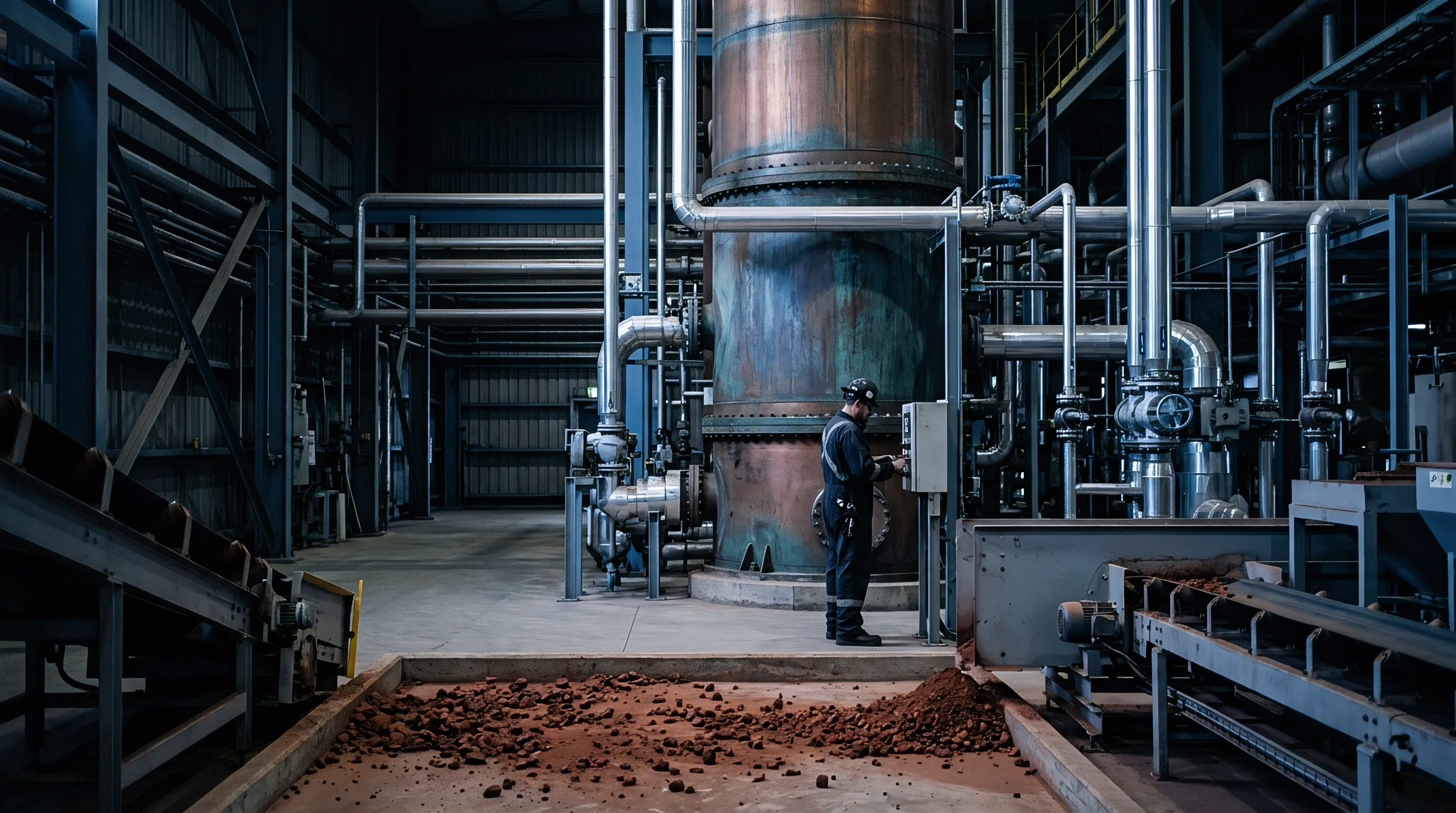
Operators monitor heavy industrial processing machinery within a mineral extraction facility handling raw earth materials through complex steel pipelines.

Context

Procurement teams had counted on uninterrupted domestic output of specialized natural gypsum mined from the high-purity Blaine County beds. Buyers sourcing industrial plaster, food-grade fillers, and pharmaceutical casting materials had expected USG to keep its main specialty processing hub running despite broader pricing pressures.
Heavy robotic mechanical clamps secure a dense rectangular compressed fiber block positioned centrally on an industrial factory floor.

Analysis

USG is shutting the facility under pressure from rising extraction costs and the growing technical difficulty of working the remaining high-purity deposits. Shedding the specialized industrial portfolio allows parent company Knauf Group to focus capital on higher-volume wallboard plants. The decision leaves downstream manufacturers to manage longer lead times, switch to synthetic gypsum alternatives, or compete for limited capacity elsewhere.
An inclined conveyor belt mechanism rises through a cavernous metallic structure surrounded by steel girders and industrial piping networks.

Parameters

  • Target Closure Date ~ November 30, 2026, marking the complete cessation of operations at the Southard plant.
  • Impacted Workforce ~ 250 jobs, representing the elimination of a major regional manufacturing employer.
  • Facility Specialty ~ Alpha-hemihydrate plaster and high-purity gypsum fillers used across industrial casting, pharmaceutical, and construction applications.
  • Parent Entity ~ Knauf Group, which has owned and operated United States Gypsum since 2019.
  • Location of Resource ~ Blaine County, Oklahoma, home to some of the highest-purity natural gypsum deposits in North America.
A metal sampling enclosure holding a liquid filled petri dish sits atop structural steel within an industrial power facility.

Outlook

How smoothly secondary plants absorb production will dictate whether specialty plaster supply stabilizes or deficits emerge. Buyers will need to track ramp-up timelines at alternative facilities to gauge lead-time exposure.

An industrial worker wearing dark blue utility garments holds heavy maintenance equipment in a production facility setting.

Verdict

Industrial buyers must immediately identify and qualify alternative suppliers of alpha-hemihydrate plaster to secure their supply chains ahead of the November shutdown.

Signal Acquired from: Walls & Ceilings

Nomenclature

Industrial Plasters

Gypsum Derivative ~ Dehydrated gypsum products engineered for specific setting times and mechanical strengths are the foundation for molding and construction casting.

Manufacturing Capacity

Output Limit ~ Potential factory output over a specific period defines the upper limit of what a business can produce.

Alpha-Hemihydrate

Chemical Structure ~ High-strength industrial plaster relies on a specific crystalline form of calcium sulfate that offers superior density and mechanical properties.

Supply Chain Risk

Vulnerability Assessment ~ Procurement disruption probabilities describe the likelihood of external events damaging the continuity of material flows through global logistics networks.

Specialty Gypsum

Material Specification ~ Calcined calcium sulfate dihydrate serves as the technical foundation for specialty gypsum products which undergo precise chemical processing to achieve enhanced performance characteristics.

Building Materials

Material Definition ~ Heavy construction inputs comprising structural steel, cement, aggregates, and dimensional timber form the physical foundation of civil infrastructure projects.

Construction Sourcing

Procurement Methodology ~ Procurement teams identify and acquire the goods and services required for large infrastructure projects through construction sourcing.

Plaster Manufacturing

Hydration Chemistry ~ Calcination of gypsum rock at temperatures ranging from 120 to 180 degrees Celsius produces hemihydrate calcium sulfate.

Supplier Consolidation

Procurement Efficiency ~ Contract rationalization acts as the method for reducing the number of distinct entities providing goods or services to an enterprise.

Packaging Materials

Protective Substrate ~ Physical barriers designed to contain goods and maintain product integrity during transit represent the functional boundary for these resources.

Material Sourcing

Sourcing Matrix ~ Procurement intelligence classifies material sourcing as the formal determination of origin points for production inputs.

What the firm knows, published

Expertise is a utility, not a secret. sentiention™ publishes its working knowledge as open reference: intelligence layer covering the materials it sources, the markets it enters, and the reference that serves both.