Bangladesh Chittagong Port Backlog Delays Garment Shipments and Sourcing Cycles
Clearing the yard congestion at Chittagong increases export lead times for global apparel procurement and sourcing teams.
Briefing
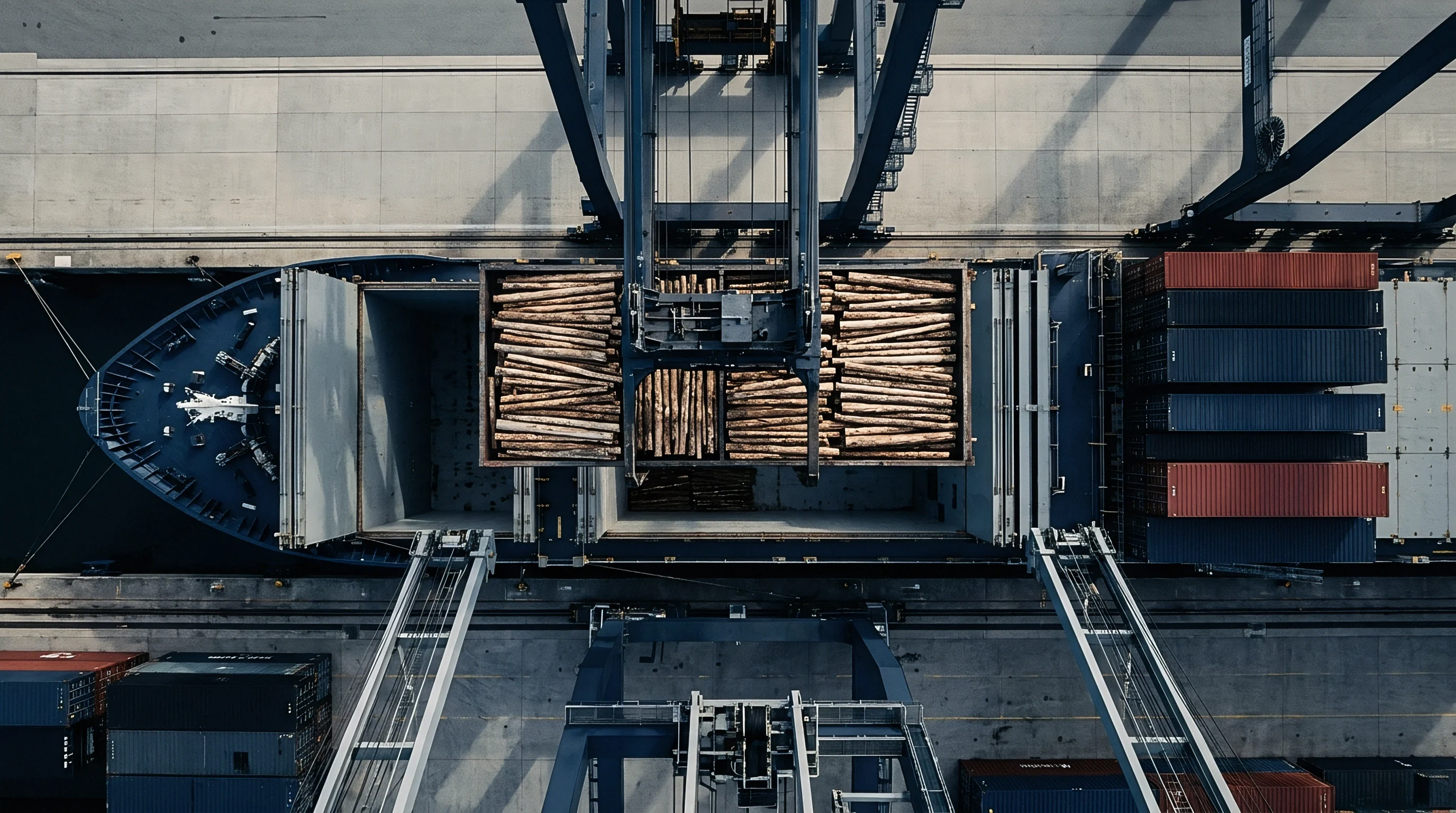
Political stabilization in Bangladesh triggered a rapid surge in factory output, quickly overwhelming Chittagong’s port facilities. Yard density has passed manageable levels, bottlenecking textile and apparel exports. Lead times have stretched by five to ten days as vessels wait at outer anchorage for berthing slots, building up a container backlog of 42,000 TEUs at the main terminal.
Context
Procurement desks were watching Bangladesh for production continuity following recent political changes. While attention initially focused on factory-floor readiness, the operational bottleneck emerged at the port rather than on the assembly lines.
Analysis
Reopened garment factories flooded the port with export-ready goods while inbound raw materials still sat uncleared in the yard. Fixed storage space imposes a hard ceiling on throughput. When incoming containers crowd alongside outbound freight, high yard density slows terminal equipment to a crawl. Ships wait offshore simply because the quays are full, meaning an order finished at the factory can sit at the gate for days before reaching an ocean vessel.

Parameters
- Backlog Volume ~ 42,000 containers currently stored in the Chittagong port yard.
- Berth Wait Time ~ Vessels face four to five days of anchorage waiting before unloading begins.
- Terminal Density ~ Usage exceeds 85 percent of total yard capacity, stalling internal movement.

Outlook
Yard clearance rates over the next three weeks will show how quickly the port can recover. Heavy congestion will persist until feeder vessel capacity increases to absorb the export surge. Buyers should monitor Singapore transshipment data for early signs of relief in feeder lanes.
Verdict
Expect garment delivery delays of up to two weeks as Chittagong clears yard congestion through the feeder vessel cycle.