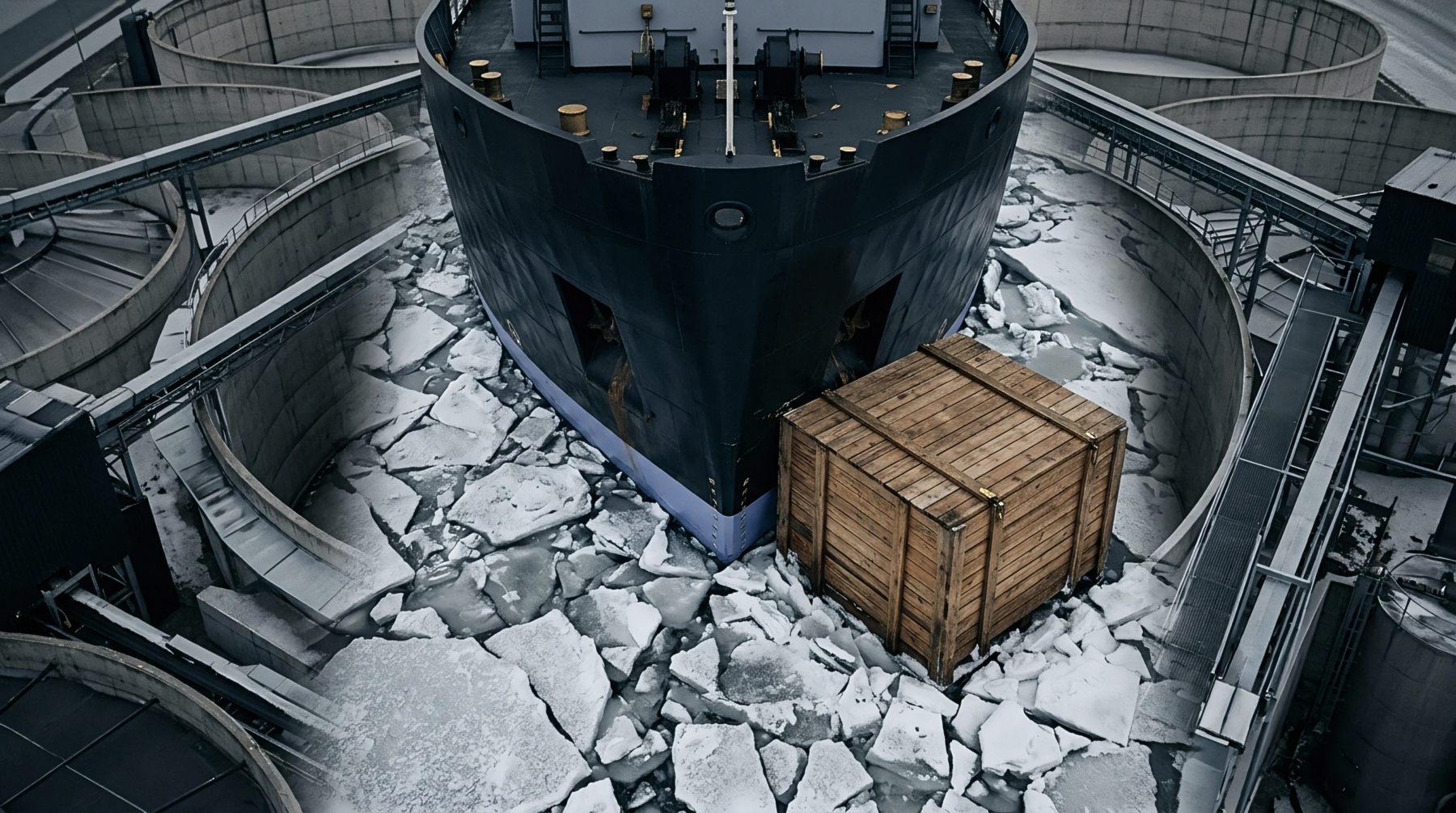
Operational Accumulation
A buildup of outgoing cargo at a maritime gateway occurs when the rate of arrival exceeds the rate of vessel loading. The chittagong export backlog represents a specific state of congestion at the primary port of the region where containers remain in storage yards beyond their scheduled departure times. This condition usually stems from a mismatch between terminal productivity and the frequency of feeder ship arrivals.
Gridlock Origin
Limited space within the port area prevents the efficient movement of reaching equipment and haulage trucks. During a chittagong export backlog, the stacking height of containers often reaches its physical limit, making the retrieval of specific units difficult. Such delays force exporters to store finished goods at private inland depots until the port clears its docks.
The congestion often spills over into the local road network as hundreds of vehicles wait for their turn to enter the terminal gates.
Downstream Impact
International buyers adjust their procurement windows when cargo remains stranded at the origin terminal. If a chittagong export backlog persists for several weeks, it triggers a chain reaction that slows production. Freight forwarders often seek alternative routes to avoid the stranded inventory costs associated with these delays.