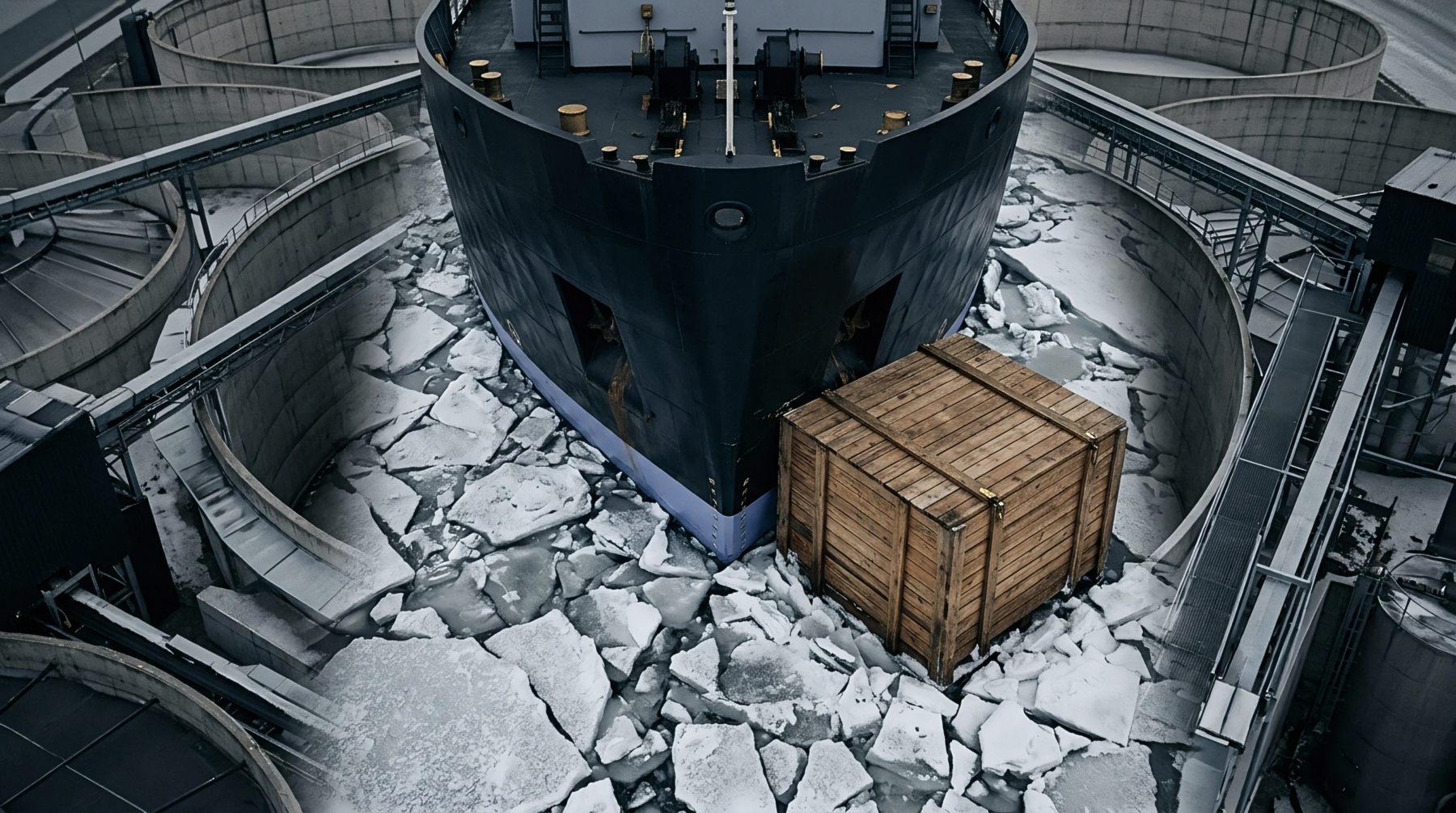
Schedule Variance
Lateness in the arrival or departure of small scale vessels that shuttle cargo between regional ports and major hubs disrupts the timing of global logistics. While main vessels stay on deep water routes, feeder ship delays occur when these smaller carriers are held up by port congestion or adverse weather conditions. These timing gaps prevent the smooth transfer of containers to larger ocean liners.
Missed Connection
Cargo that fails to arrive at a transshipment hub before the departure of a mother vessel must wait for the next available sailing. Because feeder ship delays are often unpredictable, they force logistics managers to build extra time into their shipping estimates. This buffer prevents a small local problem from causing a multi week delay for the final customer.
Global carriers may even skip a port call if the expected wait time for a feeder vessel becomes too long for the primary schedule.
Regional Disruption
Restricted draughts in river ports often limit the windows during which these ships can navigate. Frequent feeder ship delays result from the need to wait for high tide or for a berth to become vacant at a crowded terminal. The reliability of these vessels determines the efficiency of the entire regional network.