Durban Port Crisis Forces Import Delays for Southern African Buyers
A major software cutover at Durban Gateway Terminal has triggered a 26 percent throughput drop and 12-day vessel delays.

Briefing
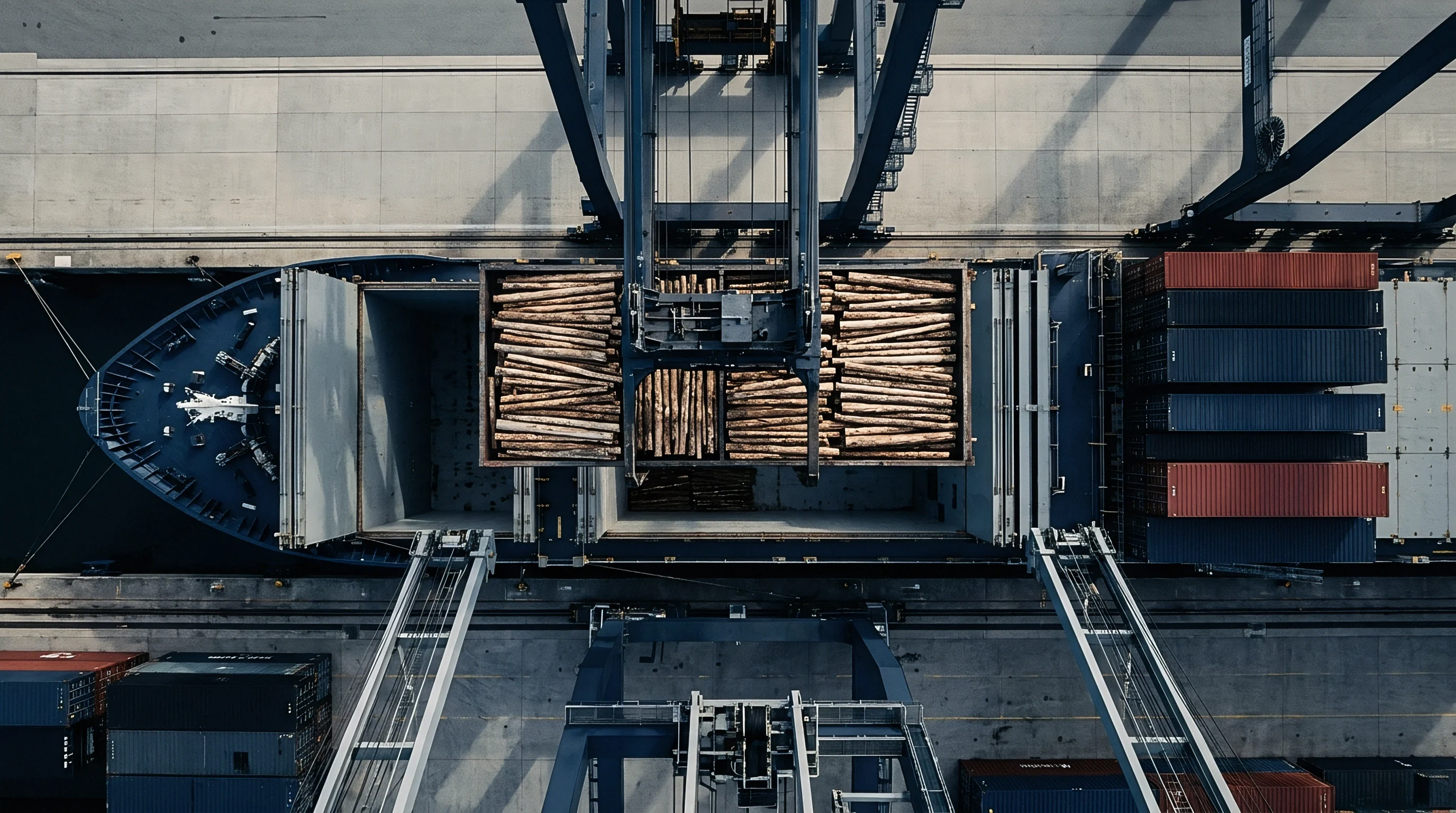
The migration to the Navis N4 terminal operating system at Durban Gateway Terminal has disrupted terminal operations, lengthening vessel port call times and prompting shipping lines to issue delay warnings. For importers relying on South Africa’s main maritime gateway, the congestion threatens peak-season shipping windows and forces a look at alternatives like the port of Maputo. Compounded by longstanding equipment shortages, the cutover drove weekly container throughput down by 26 percent.
Context
Procurement teams had spent recent months watching whether South Africa’s primary port could sustain operational gains following a partnership launched in January. Importers were counting on privatized terminal management to clear recurring equipment failures and yard congestion ahead of the pre-holiday shipping rush.

Analysis
The current bottleneck began with the mid-August switch to the new terminal operating software. The cutover immediately bogged down straddle carrier assignments, yard planning, and truck processing at the gates. With Durban handling forty percent of the country’s containerized cargo, landside friction quickly backed vessels up at anchorage.
As average port-call times stretched past twelve days, carriers absorbed mounting fuel and operating expenses ~ costs now reaching cargo owners as freight surcharges and rolled bookings. Order lead times are widening by up to twenty days, leaving logistics teams weighing steep onshore storage charges against the cost of rerouting through smaller regional ports.
Parameters
- Average port call time ~ Climbed to more than 12 days in late August from less than five days in late June.
- Throughput reduction ~ Container volumes dropped 26 percent during the system cutover week.
- Maximum expected delays ~ Some carriers warn dry goods delays could stretch up to 20 days.
- Anchorage wait time ~ Average time at anchorage hit 166 hours in early August before berthing began.
Outlook
Delivery windows will remain wide over the coming weeks just as peak import volumes for year-end inventory arrive. Procurement teams need to track weekly throughput tallies and terminal operational updates issued by South Africa’s freight associations. If metrics do not show clear recovery toward target levels by mid-September, shifting volume through the port of Maputo becomes the only realistic way to land inventory on time.

Verdict
Buyers should immediately add three weeks to import lead times for all shipments moving through Durban or reroute urgent cargo to regional landside alternatives.