Rise of Asian Port Congestion Freezes Twelve Percent of Global Container Fleet

Global port congestion stranded capacity reaches record highs, requiring buyers to build longer lead times into order books.
29.08.26 2 min

Briefing

Severe storms across East Asia have pushed global port congestion to historic records, tying up millions of containers while driving up freight costs and stretching lead times. China-origin routes are seeing the worst of the delays, which hold up everything from resins and electronics to finished components. Downstream plants cannot run without buffer stock, leaving shippers little choice but to pad inventories.

Right now, stranded capacity sits at 4.3 million twenty-foot equivalent units ~ more than twelve percent of the active container fleet.

Miniature models of maritime vessels and cargo crates rest inside a glass display case within an industrial workshop storage facility.

Context

Before the weather hit, procurement teams were waiting for an early peak-season surge to taper off. The hope was that Shanghai spot rates would soften over the summer, giving buyers room to shave costs off fourth-quarter freight budgets. Most desks also assumed sailing schedules would settle down after months of geopolitical friction, expecting carriers to phase in enough tonnage for seasonal volumes.
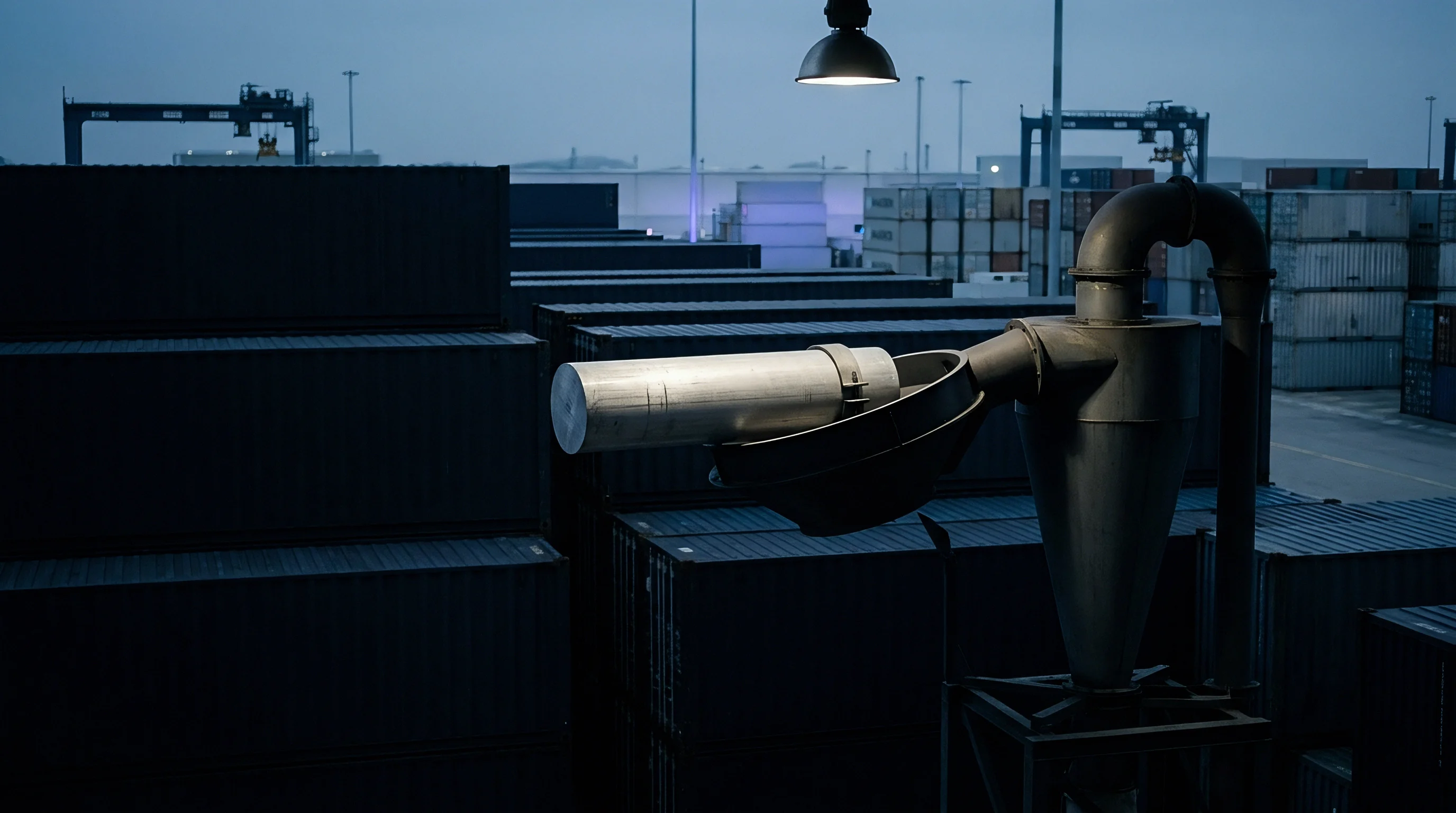
Metal extraction machinery processes a heavy cylindrical billet above stacked shipping containers inside a dim industrial freight terminal at evening.

Analysis

A run of summer storms across East Asia threw vessel schedules into disarray and set off cascading terminal delays. High winds and rough seas shut ships out of berths, building backlogs outside major hubs like Shanghai. The effect mirrors a highway pileup: long after the lanes open, the jam stretches back for miles.

An order finished on time at the factory might still sit stranded at the terminal for weeks. Because all those tied-up hulls remove effective capacity from primary trade lanes, carriers retain firm pricing power, keeping spot rates elevated despite sluggish underlying consumer demand.
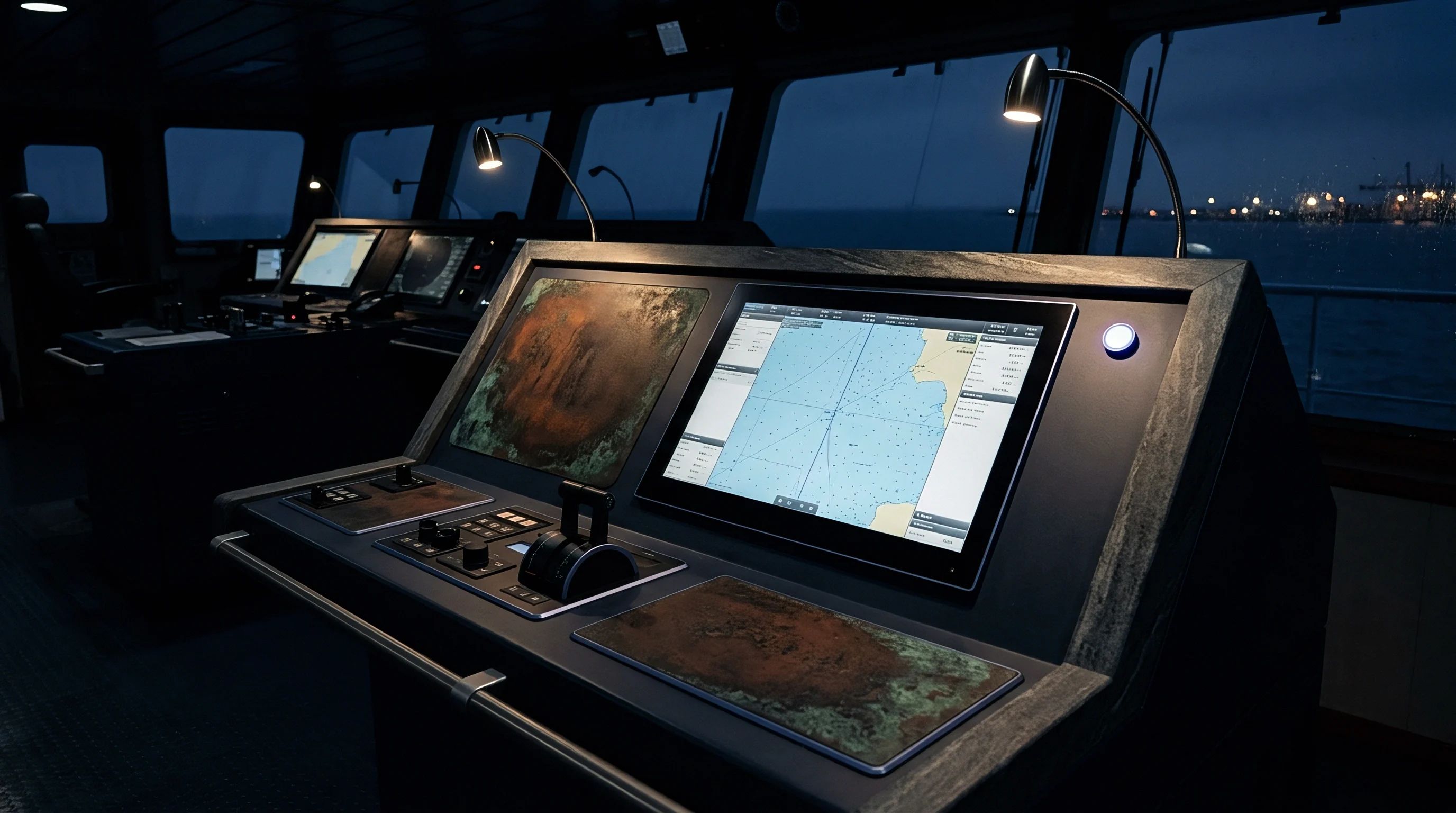
Marine navigation electronics and digital chart displays illuminate a dark ship bridge overlooking coastal waters during evening operations.

Parameters

  • Stranded Global Capacity ~ 4.3 million twenty-foot equivalent units are currently waiting to berth, representing over twelve percent of the active global fleet.
  • Shanghai Port Wait Times ~ Vessel waiting times at the major Chinese hub increased to an average of ninety-six hours, up from thirty-five hours in the previous week.
  • Drewry World Container Index ~ The global benchmark declined by one percent to forty-four hundred and seventy-three dollars per forty-foot container.
  • Shanghai to New York Spot Rate ~ The rate decreased by two percent to ninety-three hundred and thirty-three dollars per forty-foot container.
  • Shanghai to Los Angeles Spot Rate ~ The rate held stable at sixty-eight hundred and eighteen dollars per forty-foot container.
A circular industrial clock with a minimal face mounts directly onto a dark metal shipping container beneath a weathered steel beam.

Outlook

With that much tonnage immobilized, ocean freight rates have little room to fall during autumn contract talks. Buyers should plan on erratic arrival dates through year-end. The key operational indicator is weekly anchorage time at Shanghai and Ningbo: until berthing queues drop steadily below forty hours, the transpacific pipeline will not return to normal.
Hands operate a portable diagnostic instrument against a metal column inside a large industrial facility where multiple semi-trailer trucks are parked.

Verdict

Buyers must immediately secure extra lead-time buffers of at least two weeks for all East Asian shipments to mitigate the effects of the historic port backlog.

Signal Acquired from: ICIS

Nomenclature

Stranded Capacity

Idle Asset ~ Transport equipment locked in a region due to blockades or administrative sanctions cannot be utilized for active commerce.

Port Congestion

Systemic Bottleneck ~ Marine transit interruption occurs when vessel arrival volume exceeds the capacity of terminal infrastructure to process cargo, leading to extended wait times at anchorage or within berths.

Container Shipping

Freight Methodology ~ Standardized modular transport utilizes intermodal metal units to move goods across global trade routes.

Ocean Freight

Cargo Movement ~ Maritime transport provides the primary physical capacity for moving heavy industrial goods and bulk commodities across international waters on scheduled vessel routes.

Ocean Carrier Capacity

Vessel Deployment ~ Total available space on ships determines the maximum throughput for maritime trade lanes.

Maritime Transport

Shipping Operation ~ International commerce relies on the movement of raw materials and finished goods across oceanic routes through specialized vessels that function under complex regulatory frameworks and defined carriage contracts.

Supply Chain Risk

Vulnerability Assessment ~ Procurement disruption probabilities describe the likelihood of external events damaging the continuity of material flows through global logistics networks.

Blank Sailings

Service Withdrawal ~ The intentional cancellation of scheduled ocean transport services allows carriers to manage vessel capacity and stabilize freight rates during periods of low demand.

Vessel Waiting Times

Operational Lag ~ Berth allocation algorithms and terminal scheduling models quantify the duration cargo ships spend anchored offshore or hovering outside a harbor before a berth clears for discharge operations.

Transpacific Shipping

Maritime Route ~ High-volume ocean shipping corridors connect the major manufacturing hubs of East Asia with the primary consumption centers of North America.

Logistics Planning

Operational Strategy ~ Strategic coordination of resource movement defines the scope of this activity.

Spot Freight Rates

Market Price ~ Transactional charges for immediate cargo movement define this pricing mechanism.

What the firm knows, published

Expertise is a utility, not a secret. sentiention™ publishes its working knowledge as open reference: intelligence layer covering the materials it sources, the markets it enters, and the reference that serves both.