Idle Asset
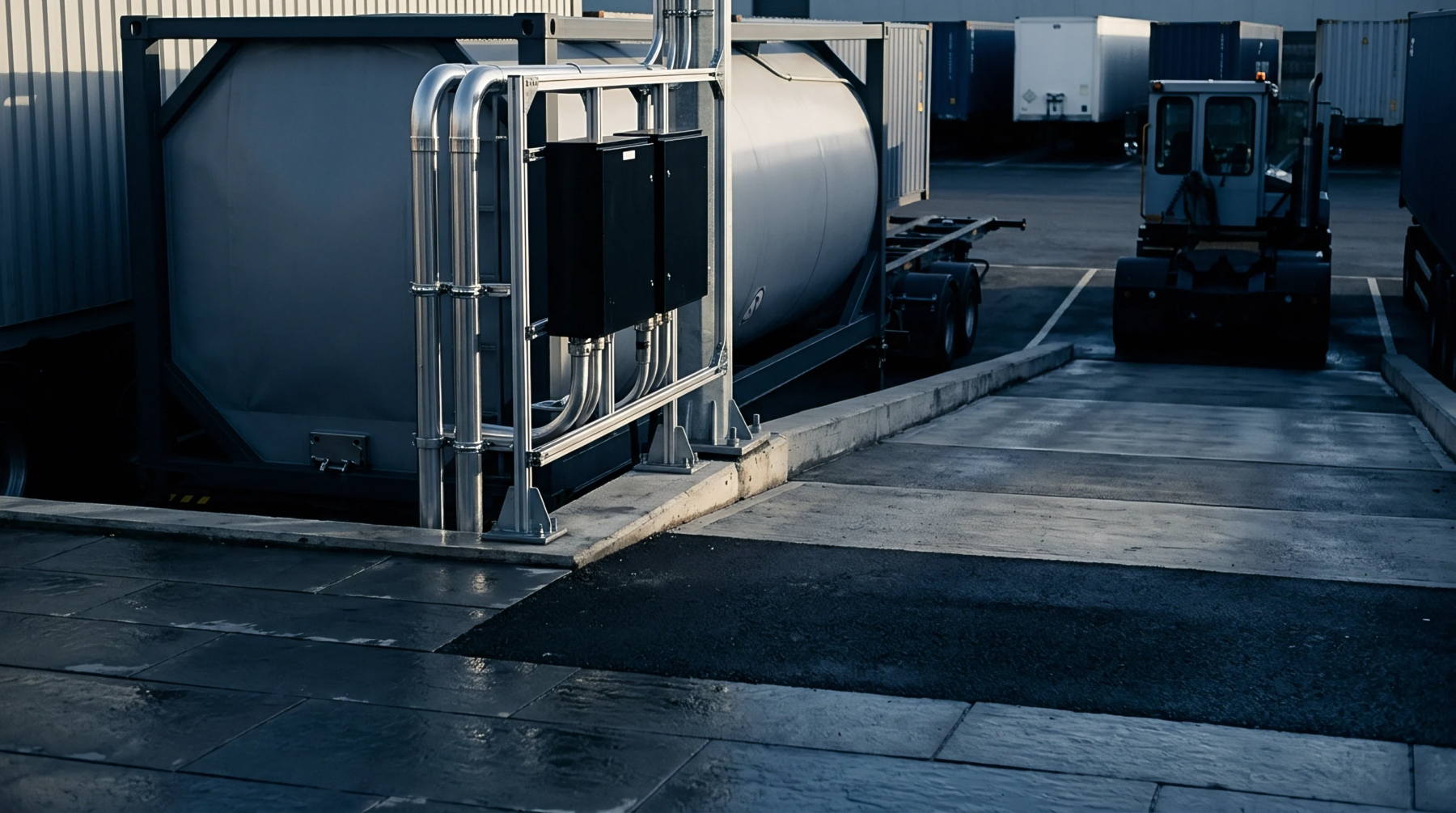
Transport equipment locked in a region due to blockades or administrative sanctions cannot be utilized for active commerce. The occurrence of stranded capacity represents a substantial capital loss for logistics operators, who must continue to pay financing and maintenance costs while the assets generate no revenue. The issue affects container fleets, rail wagons, and cargo ships in disputed territories.
Market Impact
When a sudden trade route closure occurs, a large volume of transport hardware becomes immobilized, reducing the available supply of vessels or containers on global networks. This sudden drop in active supply causes spot freight rates to rise on alternative lanes, as shippers compete for the remaining available capacity. Companies with stranded capacity must write down the value of these assets if the blockages persist for many months.
Furthermore, retrieving this equipment often requires expensive legal arbitration or hazardous salvage operations once the conflict or dispute settles.
Risk Mitigation
Cargo operators diversify their fleets across multiple trade routes to avoid having all assets trapped by a single localized disruption. This geographic spreading limits the exposure of a firm’s capital to any single geopolitical event. By keeping a portion of their assets in open corridors, transport companies maintain financial stability during localized crises.