US East Coast Strike Threat Triggers Carrier Contingency Surcharges

Buyers face imminent surcharges and rerouting delays as port worker contract negotiations stall ahead of October 1.

28.08.26 2 min

Briefing

The International Longshoremen’s Association plans a work stoppage across US East and Gulf Coast ports starting October 1, 2024. The action will halt operations at thirty-six gateways handling nearly half of all US ocean imports, leaving buyers to choose between inland delays and expensive West Coast diversions. Major carriers, including Hapag-Lloyd and Maersk, have already filed port disruption surcharges with the Federal Maritime Commission to offset idling vessels and equipment shortages. A single day of closure creates a five-day backlog for inland deliveries, and carriers are pricing that operational friction at 1,000 dollars per container.

Industrial bulk storage holding liquid raw materials sits on a textured concrete floor inside a cavernous warehouse facility.

Context

Procurement desks assumed historical patterns of federal intervention would head off a full strike. Most buyers were watching contract renewal signs simply to see if spot rates would stay low through the fourth quarter, expecting freight costs to continue cooling after the early summer peak.
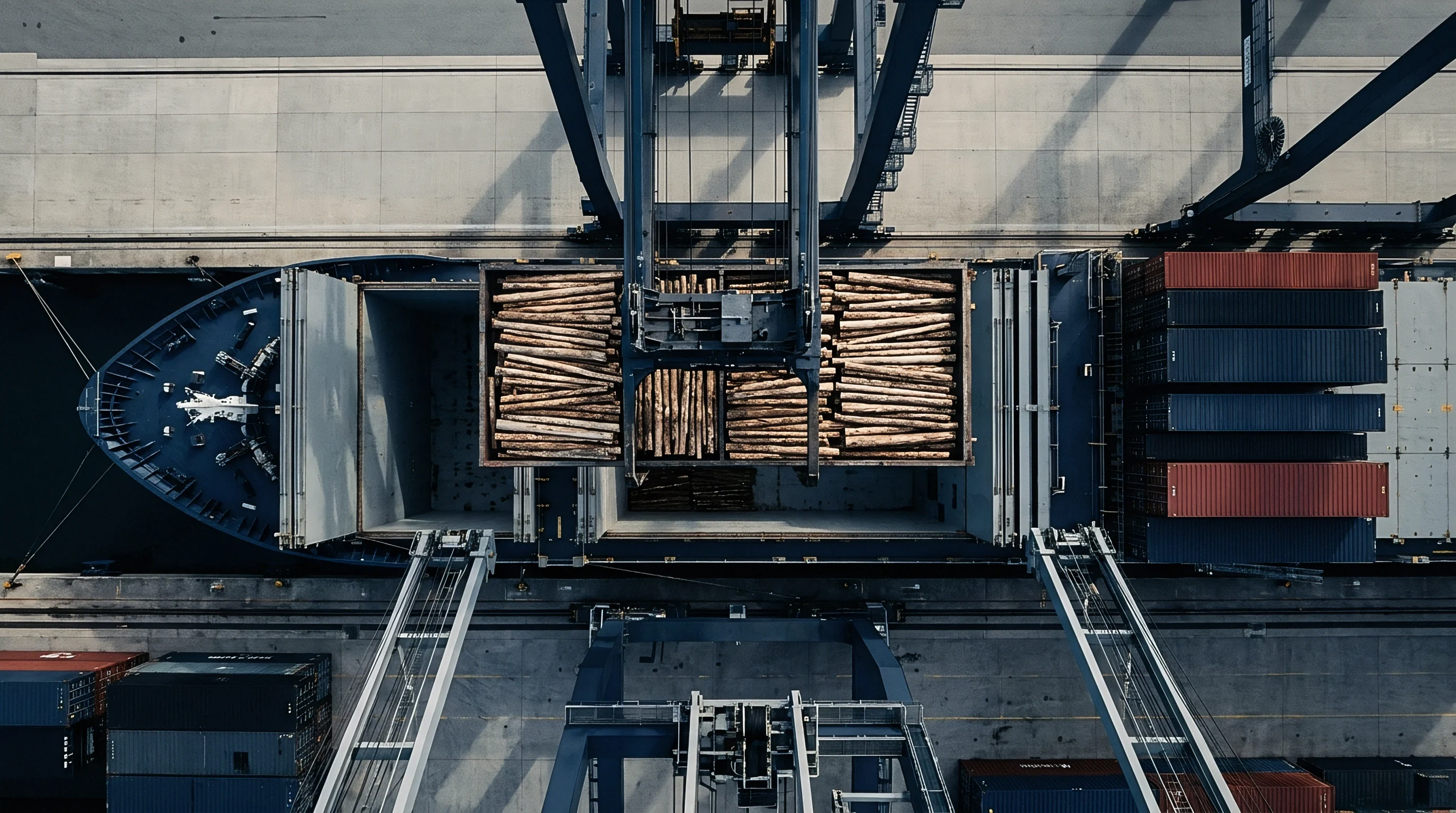
A gantry crane suspends bundles of raw timber logs above an open cargo hold of a bulk carrier docked at a concrete terminal.

Analysis

A strike changes transit logic for every incoming order. Cargo sits when labor is absent from the docks, and ships waiting offshore fail to cycle capacity back into the global fleet ~ effectively shrinking active supply. Carriers are adding surcharges to absorb the financial drain of vessels idling for weeks, passing those fees directly onto ocean invoices. Buyers end up paying higher rates for longer lead times as the queue at the terminal gate grows with every hour labor remains inactive. Logistics planners must now weigh the higher cost of overland transport from West Coast ports against the risk of container immobilization in the East.

A canvas carrier and an industrial lamp hang from a rope system over an inclined concrete pathway within a utilitarian building.

Parameters

  • Contract Expiration ~ October 1 2024 marks the end of current labor agreements and the start of the strike.
  • Port Volume Impact ~ 43 percent of US inbound containers move through the affected coastal ports.
  • Disruption Surcharge ~ 1,000 dollars per twenty foot equivalent unit is the standard fee level announced by major lines.
  • Backlog Ratio ~ 5 days of clearing time are added to schedules for every single day of port closure.

Polished metal milling vessels align along a dark industrial workbench inside a materials testing and sample preparation facility.

Outlook

Inbound inventory will shift toward West Coast ports over the next three weeks. Buyers should monitor federal filings from the United States Maritime Alliance for signs of a deal extension or cooling-off period. Whether this shift succeeds depends on Western rail hubs absorbing the extra volume without triggering their own congestion.

Stamped steel automotive panels rest beside textile storage sacks and stacked metal shims on a dark workbench.

Verdict

Redirect all urgent October inventory to West Coast terminals immediately to avoid fixed surcharge payments and indefinite container immobilization at strike-impacted sites.

Signal Acquired from: Journal of Commerce

Nomenclature

Supply Chain Risk

Vulnerability Assessment ~ Procurement disruption probabilities describe the likelihood of external events damaging the continuity of material flows through global logistics networks.

Trade Disruption

Movement Impediment ~ Freight and logistics operations encounter a trade disruption when the physical flow of commodities or finished goods hits a forced pause.

Labor Dispute

Workforce Conflict ~ Formal disagreements over wage rates or union jurisdiction interrupt normal operational workflows within industrial and logistics facilities.

Import Strategy

Import Architecture ~ Commercial procurement planning functions as a structured framework for sourcing foreign goods, balancing cost minimization against regulatory compliance and tariff exposure.

Carrier Surcharge

Tariff Adjustment ~ Supplementary freight fees appended to base ocean or land transport contracts adjust shipping costs in response to immediate operational expenses.

Port Operations

Handling Scope ~ Maritime terminal productivity defines the total throughput velocity of cargo transfers measured through the integration of crane cycles, berthing schedules and horizontal transport systems.

Transport Contingency

Reserve capacity ~ Buffer stock protocols hold transport contingency as a primary safeguard against sudden flow interruptions within global logistics networks.

Container Shipping

Freight Methodology ~ Standardized modular transport utilizes intermodal metal units to move goods across global trade routes.

Freight Costs

Financial Burden ~ Transport expenditure forms the primary monetary obligation incurred during physical cargo movement across global supply chains.

Maritime Logistics

Oceanic Coordination ~ Management of sea transport and port operations ensures the smooth movement of goods across the globe.

What the firm knows, published

Expertise is a utility, not a secret. sentiention™ publishes its working knowledge as open reference: intelligence layer covering the materials it sources, the markets it enters, and the reference that serves both.