
Strait of Hormuz Crisis Drives Asia to US Spot Rates near Records
Transpacific spot rates approach historic peaks as Middle East transit closures squeeze global container shipping capacity.
Transpacific spot rates approach historic peaks as Middle East transit closures squeeze global container shipping capacity.

Dow raised April and May polyethylene prices by fifty cents per pound, doubling resin costs for packaging buyers.
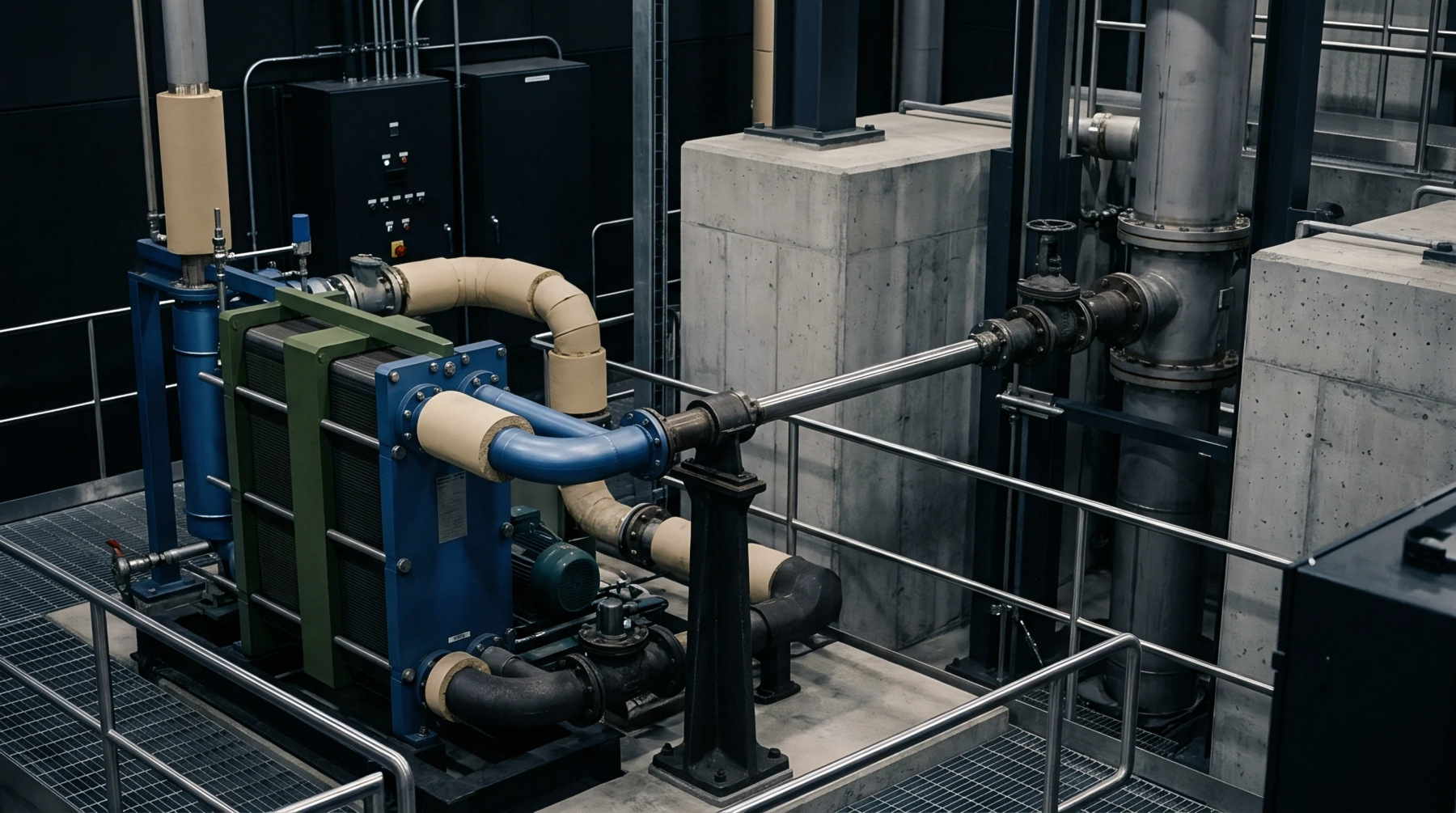
Geopolitical disruption and feedstock inflation trigger a massive wave of chemical price hikes effective September 1, 2026.

Sourcing teams should expect tight regional supply and potential upward price pressure on platinum and palladium alloys.

Water limits at the Panama Canal will restrict Neopanamax vessel payloads and reduce available slot capacity in September.

Declining Chinese yellow phosphorus export quotas force price increases for downstream chemical and electronics materials.

Six months of the Hormuz deadlock leaves four hundred ships stranded, sustaining elevated cargo costs and supply risks.

Importers face 50 percent duties on certain Canadian goods, while US exports encounter dollar-for-dollar retaliatory tariffs.

A Teamsters strike at Cargill's Newark plant halts 500,000 tons of annual sea salt production, forcing regional supply switches.

Shipments lack valid Bureau of Indian Standards markers will face customs rejection and clearance delays at the border.

Buyers face immediate invoicing increases of up to 150 dollars per container as fuel surcharges spread across global routes.
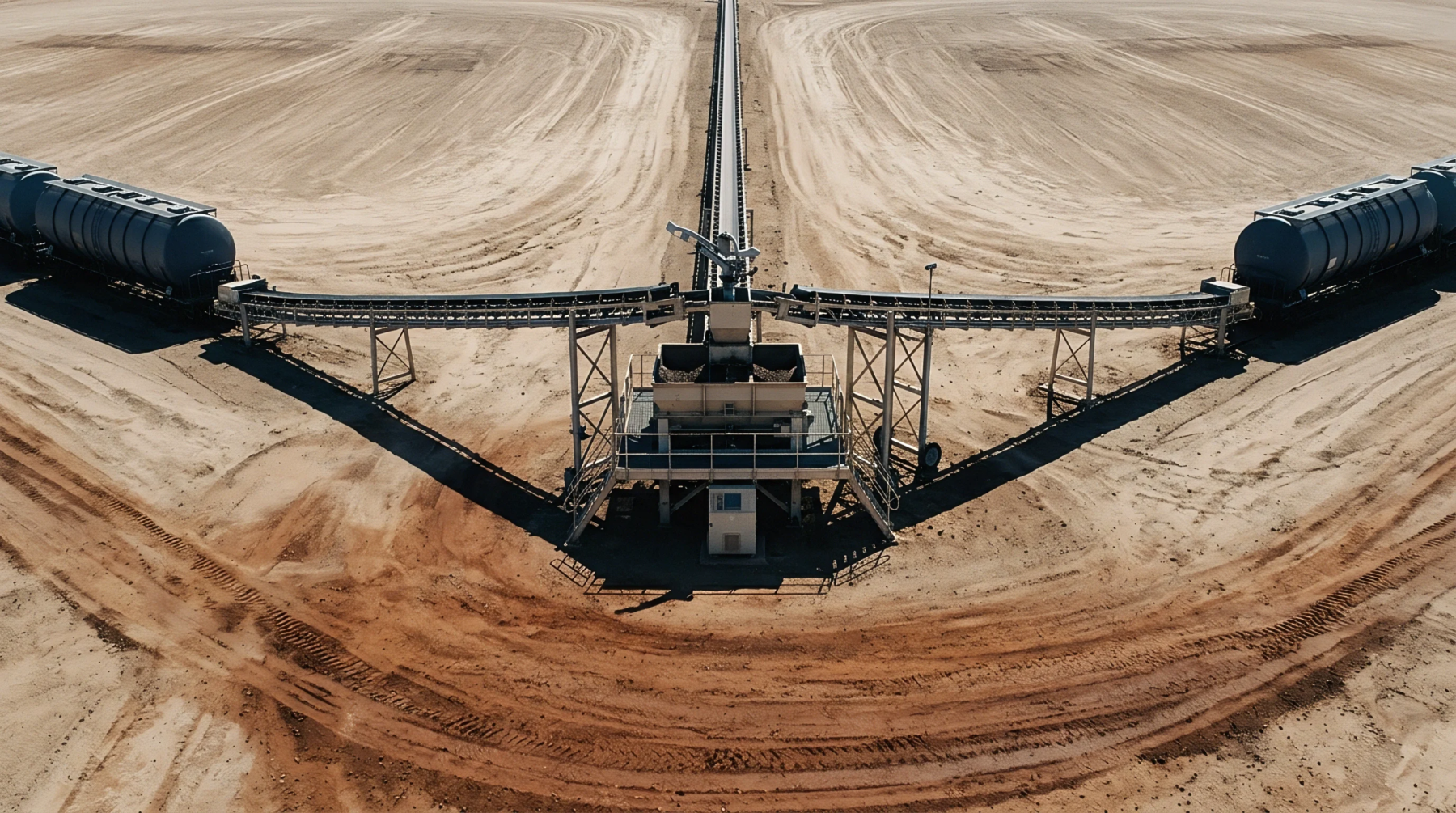
Imminent rail shutdowns in Canada force container diversions and increase dwell times at major North American entry points.

Buyers must secure alternative suppliers for European-bound beef and poultry due to Brazil's exclusion from the EU approved list.

EU-China post-Brexit tariff quota adjustments will trigger higher duties on industrial imports earlier in the fiscal cycle.

A stalled Chinese mine restart drives a lithium price forecast upgrade, requiring buyers to adjust battery price estimates.

Middle East airspace shocks force a reversal in air cargo contract forecasts, driving buyer rates up to fifteen percent higher.

Rayonier's Témiscaming plant shutdown under new U.S. tariffs removes substantial paperboard and pulp capacity.

Unplanned factory shutdowns in China have raised propylene costs, forcing chemical exporters to increase n-propanol spot offers.

Global price increases of 10 to 20 percent on carbon fiber composites force buyers to renegotiate aerospace and wind contracts.

Kiln closures and export tax policy changes in China drive magnesium oxide board production costs up eighteen percent.
With 43 new Chinese firms blacklisted, buyers must immediately audit aluminum and copper supply chains to avoid border seizures.

Typhoon congestion and blank sailings push transpacific spot rates up twelve percent, tightening open vessel space.

A tentative labor pact at South Korea's largest carmaker averts further supply disruption but locks in higher wages.

Record-low warehouse stocks and Gulf supply cuts force aluminum buyers to absorb high spot premiums and brace for tight supply.
A major outage in Qatar has removed a third of global helium, doubling prices and forcing limits on wafer production.
Expertise is a utility, not a secret. sentiention™ publishes its working knowledge as open reference: intelligence layer covering the materials it sources, the markets it enters, and the reference that serves both.