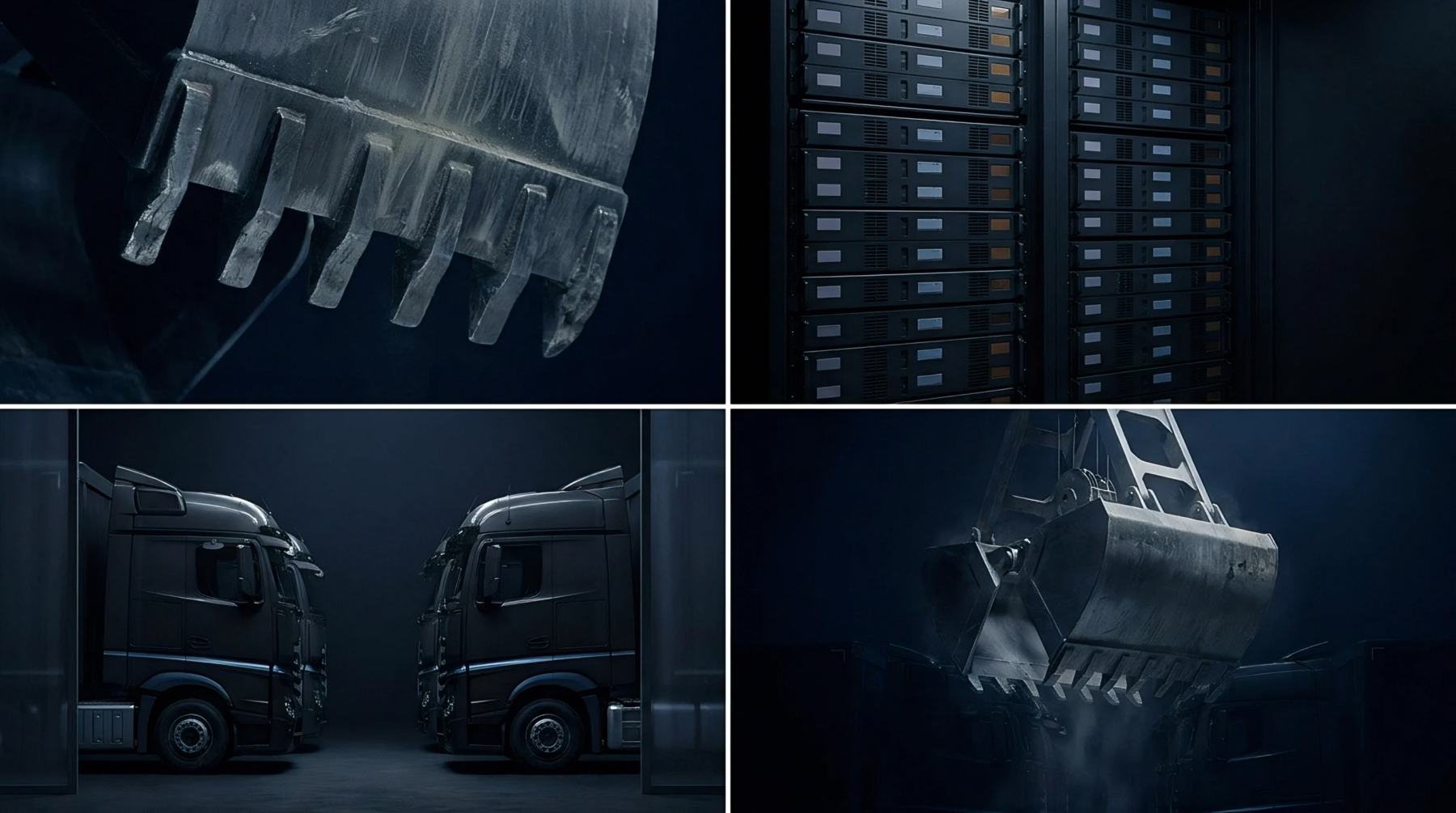
Freight Handling
Industrial transportation frameworks move unpackaged dry or liquid commodities through integrated rail, conveyor, marine and trucking networks. Operations in bulk material logistics manage raw inputs such as ore or grain from extraction points to processing facilities. Physical properties like moisture content dictate specific equipment selection.
Transfer Mechanism
Terminal operations control the throughput of dry aggregations and liquids using pneumatic blowers and high-capacity loading arms. System throughput in bulk material logistics depends on the continuous alignment of storage hoppers, vessel schedules and demurrage boundaries. Moisture migration during long-distance rail transit alters cargo density and increases handling risks at discharge ports.
Operators monitor pile stability and vapor pressure to prevent structural failure or spontaneous combustion during long storage cycles. Secondary sorting mechanisms route contaminated batches into isolation bays before entering primary processing streams. Unloading rates must match downstream refinery capacity to prevent bottleneck formation across rail corridors.
Contractual Liability
Legal frameworks governing these movement networks allocate risk between shippers and terminal operators based on bill of lading terms. Disagreements in bulk material logistics frequently involve contamination disputes or missing weight volumes accumulated at congested berths. Surveyors assess cargo condition prior to loading and immediately after discharge to establish precise liability boundaries.
Strict moisture thresholds prevent buyers from accepting product that degrades downstream equipment or fails chemical specifications.