Expanded Chamber
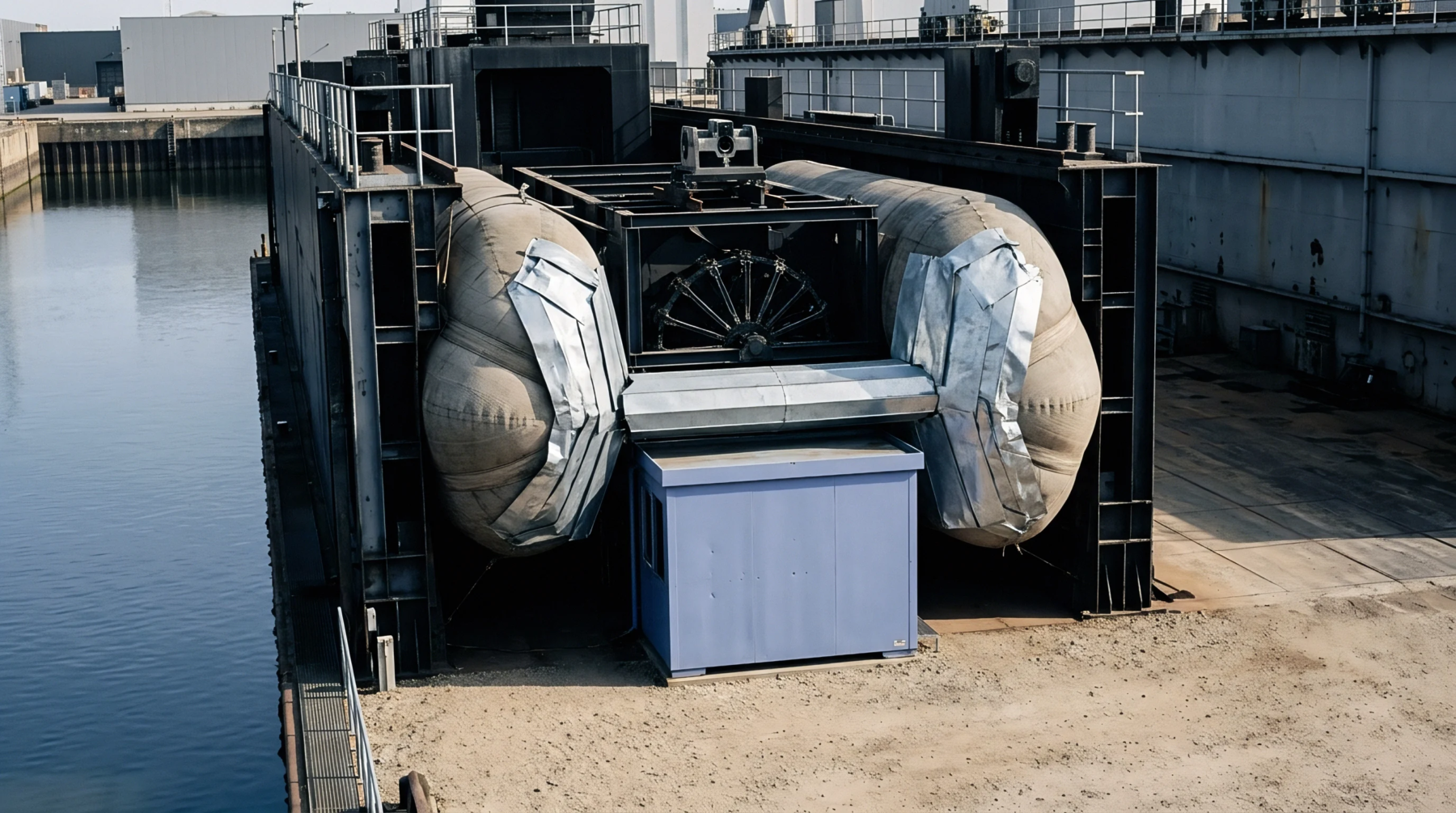
Engineering structures at the Panama Canal allow for the passage of vessels significantly larger than those accommodated by the original infrastructure. These neopanamax locks provide a link for container ships carrying up to fourteen thousand units. Water-saving basins recycle much of the volume required for each transit.
Vessel Dimension
Width and depth constraints within the canal dictate which modern ships can use this shortcut between the Atlantic and Pacific oceans. The introduction of neopanamax locks altered global shipping patterns by allowing bigger vessels to bypass the tip of South America. Carriers now design ships specifically to fit these dimensions.
Precise steering is required to enter the concrete chambers safely.
Transit Capacity
Traffic management teams schedule a specific number of daily slots for these larger vessels to ensure smooth operation of the waterway. Use of the neopanamax locks involves complex tugboat maneuvers rather than the traditional locomotive system. High demand for these slots often leads to competitive auctions during peak shipping seasons.
Dredging projects maintain the necessary depth in the connecting lakes and channels. Each transit takes several hours of navigation through the concrete chambers. Revenue from these passages forms a major part of the canal’s total income.
The presence of these facilities supports the growth of trade between the East Coast of North America and Asian markets. Global logistics networks rely on the continued functionality of these locks to maintain schedule reliability.