Panama Canal Draft Easing Provides Immediate Capacity for US Import Lanes

Panama raising drafts to 49 feet and slots to 33 means buyers face fewer delays and lower surcharges on East Coast routes.


25.10.26 2 min

Briefing

The Panama Canal Authority has canceled a planned restriction on vessel drafts, raising the maximum authorized Neopanamax draft to 49 feet and opening more booking slots. For supply chain managers routing cargo from Asia to the United States East Coast and Gulf Coast, the move stabilizes lane operations, allowing carriers to load closer to vessel deadweight without applying low-water surcharges. The change improves schedule reliability and spot rate predictability as the peak shipping season turns toward winter. Across the lock system, total daily booking capacity will rise to 33 transits.

Bulk material transfer equipment suspends an aggregate feeder hopper filled with particulate raw inputs inside a heavy manufacturing facility overlooking a waterway.

Context

Before this announcement, procurement desks were bracing for a 47.5 feet draft limit scheduled for October 1. Shippers had questioned whether the tighter draft would trigger the vessel diversions and punitive weight penalties that snarled transpacific networks during recent drought cycles.
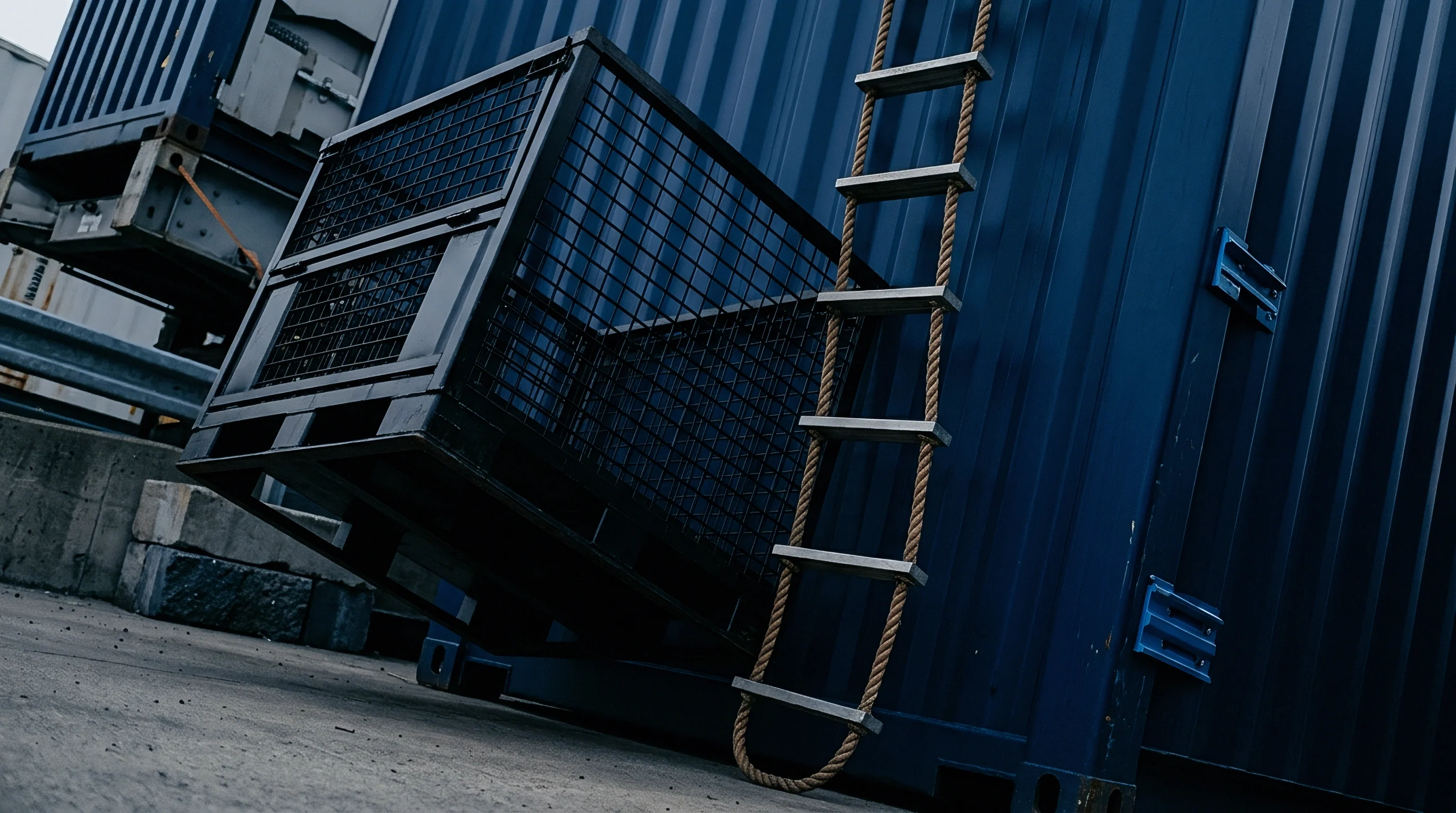
A dark blue corrugated steel shipping container stands behind a black steel mesh pallet cage and a suspended wooden rung rope ladder.

Analysis

Stronger September rainfall and water-conservation programs at Gatun Lake allowed the authority to set the draft limit at 49 feet and release a tenth Neopanamax slot. Deeper water lets carriers take on full payloads instead of short-shipping or leaving slots empty, distributing fixed vessel operating costs across more freight. For cargo owners, that additional intake lowers the risk of low-water fees, opens booking room on transpacific sailings, and helps check spot rate swings into East Coast ports.

A polished metal sampling ladle rests beside a textured jute sack on the dark console of a maritime navigation bridge.

Parameters

  • Maximum Authorized Draft ~ 49 feet (14.94 meters) for the Neopanamax locks, replacing the earlier planned restriction.
  • Daily Transit Capacity ~ 33 slots across all locks starting October 15, 2026, an increase from previous caps.
  • Daily Neopanamax Slots ~ 10 slots, up from 9 slots previously, allowing more large vessels to transit each day.
  • Effective Date of Booking Slot Increase ~ October 15, 2026, the date the expanded reservation capacity becomes available.
  • Previous Draft Reduction Target ~ 47.5 feet (14.48 meters), the postponed limit that was originally scheduled to take effect on October 1, 2026.

Professional meteorological instruments monitor ambient conditions on an industrial rooftop to provide real time environmental data for logistics and supply chain operational planning.

Outlook

The revised allowance gives some breathing room to fourth-quarter freight budgets, though shippers still need to watch carrier filings. Importers should track whether transpacific ocean lines formally rescind their announced canal transit fees. If carriers leave those charges on file through November, the cost advantages of the deeper draft will not make it through to freight invoices.

A person in a white linen shirt rests bare arms on a dark metal shuttered barrier inside an industrial facility.

Verdict

Buyers should immediately review outstanding carrier bookings to capitalize on the restored 49-foot Panama draft limit and demand the removal of any pending draft-related surcharges on East Coast routings.

Signal Acquired from: Inchcape Shipping Services

Nomenclature

Panama Canal

Maritime Passage ~ An artificial waterway cut through the central isthmus of the Americas creates a short connection for global shipping between the Atlantic and Pacific oceans.

US East Coast Logistics

Coastal Corridor ~ Maritime geography dictates that US East Coast Logistics operates through Atlantic and Gulf of Mexico ocean gateways rather than Pacific channels.

Neopanamax Locks

Expanded Chamber ~ Engineering structures at the Panama Canal allow for the passage of vessels significantly larger than those accommodated by the original infrastructure.

Maritime Transit Slots

Reservation Allocation ~ Scheduled passage permissions issued by canal authorities grant commercial vessels guaranteed lockage windows through restricted waterways within specified booking periods.

Gatun Lake Levels

Hydrological Benchmark ~ Hydrological depth measurements recorded at the central reservoir of the Panama Canal determine maximum allowable vessel draft and daily transit slot allocation for interoceanic shipping.

Water Deficit Management

Irrigation scheduling ~ Agricultural resource allocation determines the timing and volume of water delivery to crops to mitigate moisture stress while optimizing yield.

Transit Reservation System

Platform Infrastructure ~ Digital scheduling and inventory platforms managing seat allocations and fare classes coordinate passenger movements across transportation networks.

Canal Draft Limit

Transit Constraint ~ Maximum allowable vessel immersion measured in freshwater meters dictates cargo intake on restricted maritime corridors.

Ocean Freight Capacity

Shipping Volume ~ Total container space on active maritime vessels defines the physical limit of international trade routes within the global logistics network.

Cargo Route Planning

Operational Scope ~ Spatial and temporal optimization processes determine physical transit paths and bunkering stops across multimodal freight networks.

Container Shipping

Freight Methodology ~ Standardized modular transport utilizes intermodal metal units to move goods across global trade routes.

Maritime Transport Costs

Freight Component ~ Expenditure represents the aggregate financial burden incurred by parties engaging in the movement of goods across oceanic routes.

What the firm knows, published

Expertise is a utility, not a secret. sentiention™ publishes its working knowledge as open reference: intelligence layer covering the materials it sources, the markets it enters, and the reference that serves both.