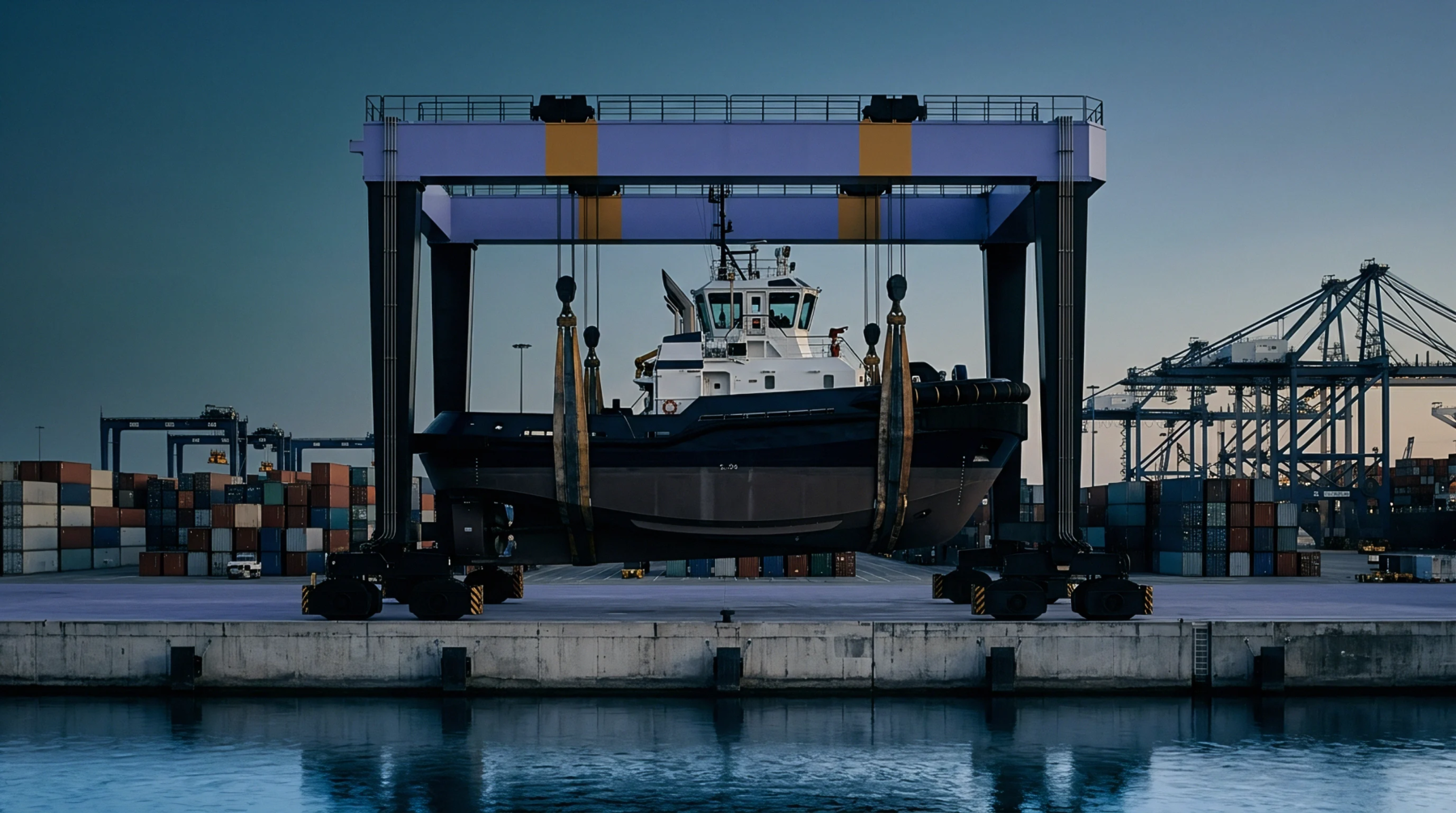
Asian Port Congestion Will Squeeze Shipping Capacity until Mid-2027
Persistent delays in Asia-Pacific hubs require buyers to secure shipping allocations months before the holiday rush.
Persistent delays in Asia-Pacific hubs require buyers to secure shipping allocations months before the holiday rush.
Postponing the draft limit protects October ocean cargo volumes and prevents carrier-imposed load reductions.

Typhoon delays at Shanghai and Ningbo push berthing waits to ten days, trapping eleven percent of global vessel capacity.

Tightening draft limits and transit caps to thirty-two vessels daily will increase transit costs and push cargo to western ports.
Renewed Middle East hostilities force ocean carriers to levy emergency fuel surcharges, directly inflating freight invoice costs.

Six months of the Hormuz deadlock leaves four hundred ships stranded, sustaining elevated cargo costs and supply risks.

Sea-Intelligence reports carriers blanked up to fourteen percent of capacity, turning blank sailings into a permanent control tool.
Record vessel delays lock up over twelve percent of global fleet capacity, driving spot ocean freight rate risks higher.
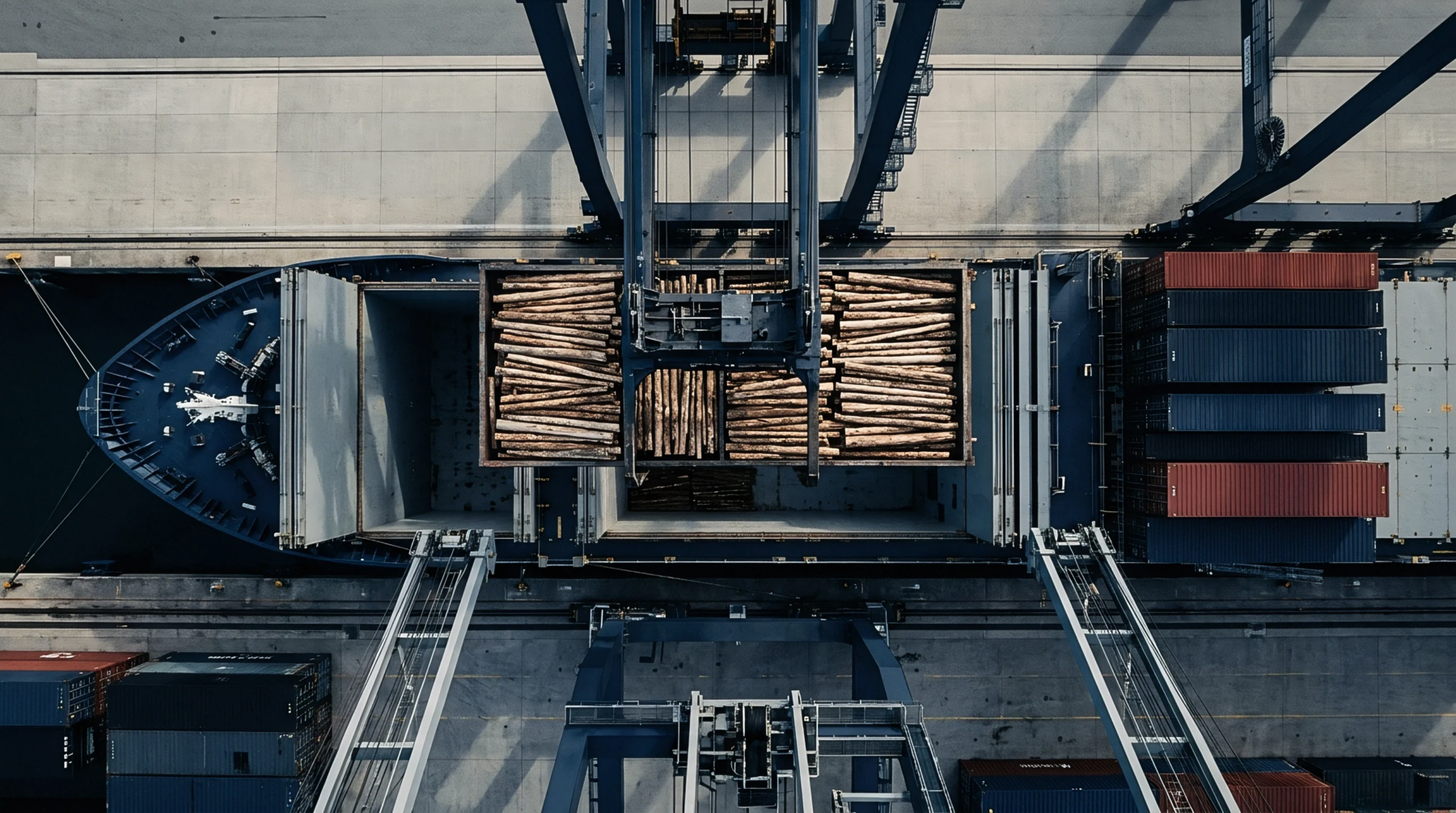
Vessel delays in Northern Europe eat transatlantic shipping capacity and force buyers to adjust lead times

Sourcing teams must plan for a massive expansion in ocean vessel capacity that will eventually drive down long-term rates.
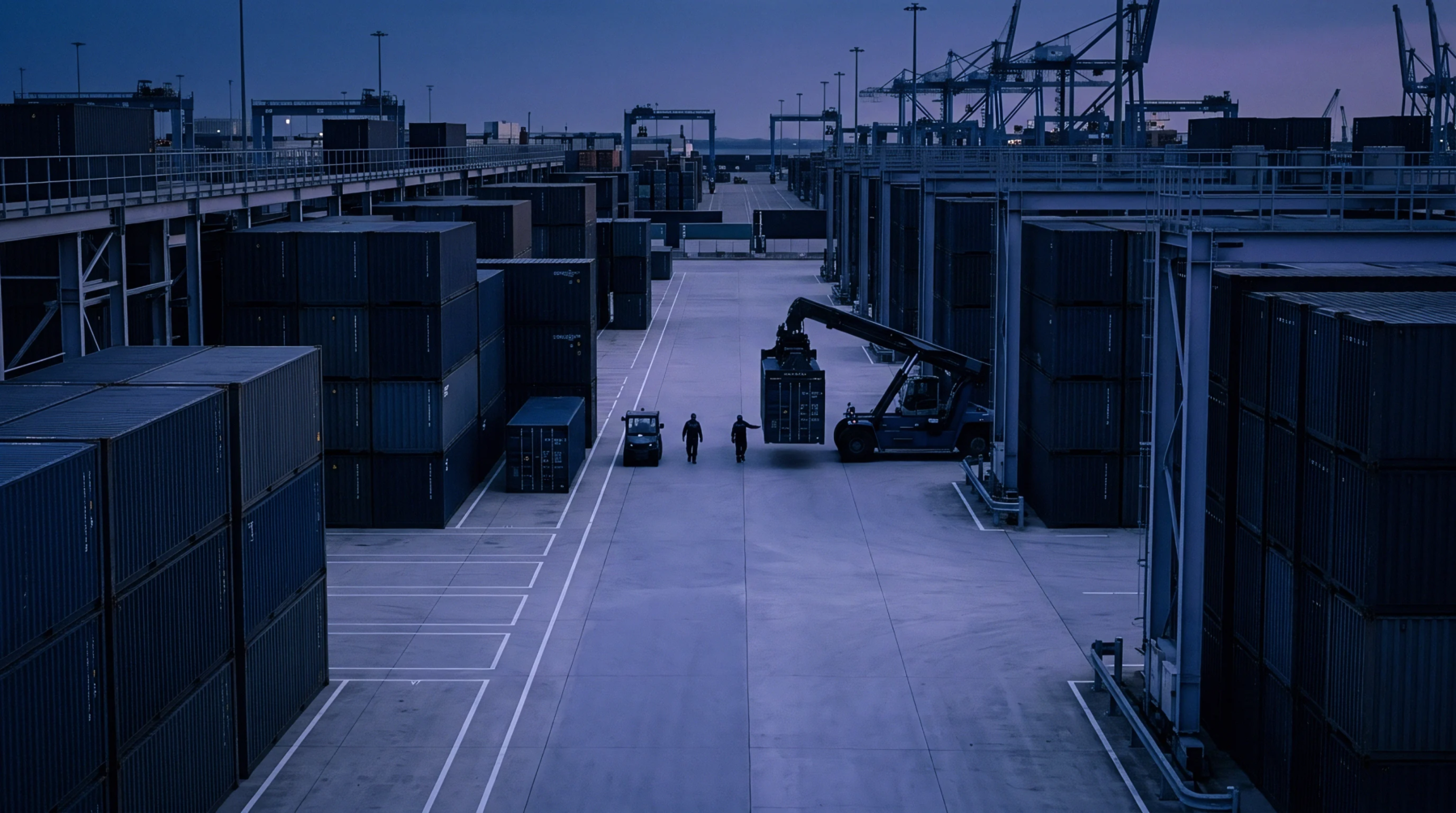
Delays at major global ports tie up record shipping volume, reducing available ship space and driving up ocean spot rates.
Stuck volume hits 4.3 million TEUs, causing vessel shortages and elevating transpacific ocean spot rates for autumn.
Front-loaded US imports and port backlogs push Shanghai to New York spot container rates to eighty-seven hundred dollars.
Expertise is a utility, not a secret. sentiention™ publishes its working knowledge as open reference: intelligence layer covering the materials it sources, the markets it enters, and the reference that serves both.