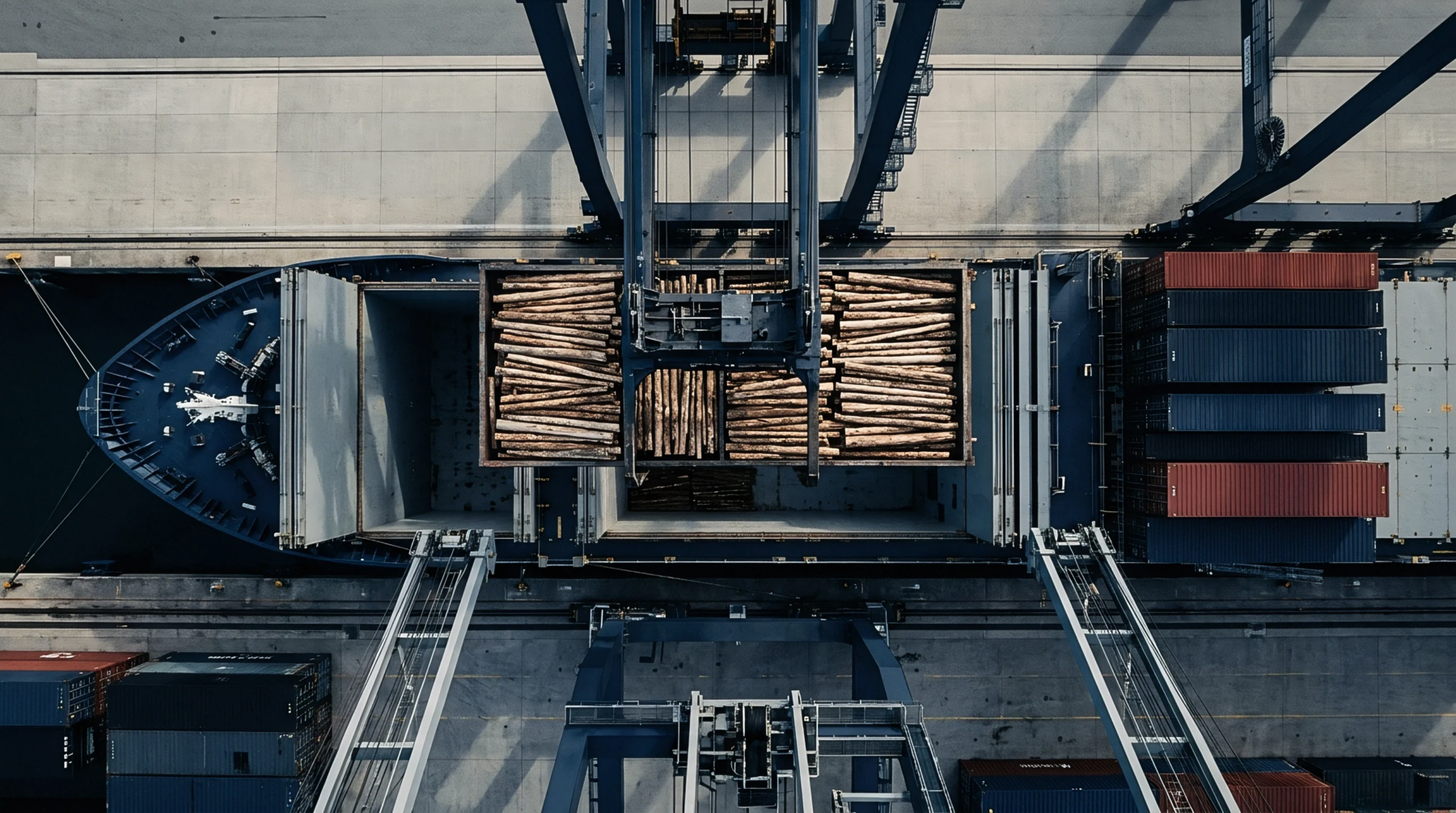
Terminal Bottleneck
Vessel queuing and cargo processing slowdowns occur when the volume of freight exceeds the handling capacity of a maritime gateway. These port congestion delays cause ships to anchor outside the harbor while they wait for an available berth. Inefficient yard management often worsens the situation by slowing the movement of containers.
Dwell Time
Measurements of how long a container sits at a terminal before being picked up provide a clear picture of local efficiency. When port congestion delays peak, these times can stretch from a few days to several weeks. Trucking companies face longer turn times when they enter the facility to collect cargo.
Shortages of chassis or drivers can exacerbate these backups.
Supply Disruption
National economies feel the impact when raw materials and finished goods are stuck on ships for extended periods. This port congestion delays cycle ripples through the entire logistics network as missed departures and late arrivals become common. Retailers may experience stock shortages or be forced to pay for expensive air freight to meet demand.
Carriers often impose congestion surcharges to recover the cost of keeping a vessel idle. Better data sharing between terminal operators and ocean lines helps mitigate these issues. Port authorities invest in automation and expanded gate hours to increase the flow of goods.
Global logistics remains sensitive to these localized disruptions. Rail backlogs often follow terminal congestion as inland networks struggle to handle the sudden surge in volume.