Record Port Congestion Idling Vessel Capacity Tightens Global Supply Chain Lanes

Record vessel delays lock up over twelve percent of global fleet capacity, driving spot ocean freight rate risks higher.
28.08.26 2 min

Briefing

A series of typhoons in East Asia has driven global container port congestion to a record high, tying up ship capacity and pushing spot freight rates upward. For procurement teams, the bottleneck undermines schedule reliability and box availability, delaying autumn inventory shipments. Stranded capacity has reached 4.31 million twenty-foot equivalent units, or 12.6 percent of the entire global fleet.
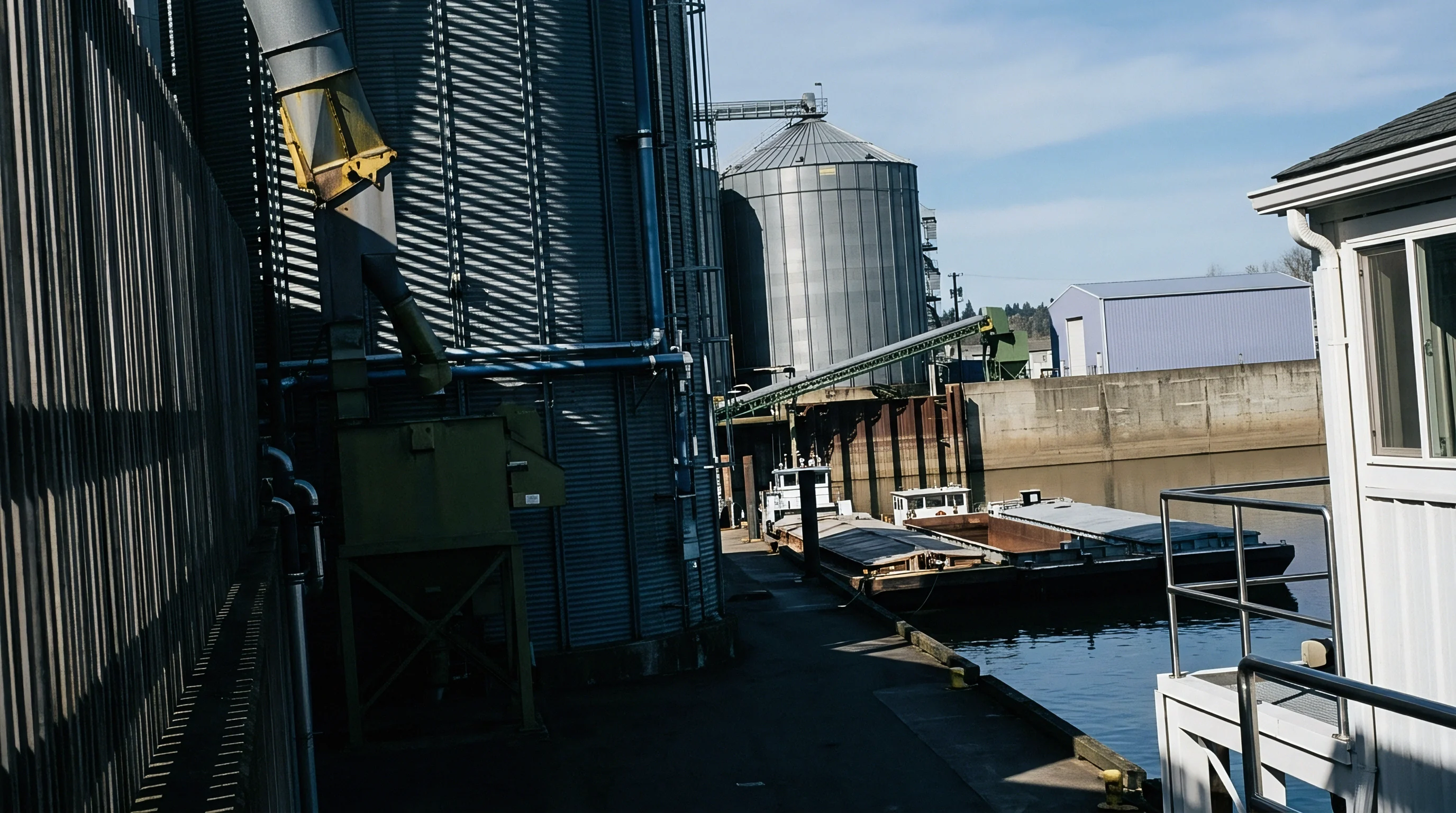
Corrugated steel grain silos and conveyors stand beside docked transport barges on an industrial waterway terminal.

Context

Before port bottlenecks escalated, procurement desks were watching carrier schedules recover after ocean route diversions around Africa. Buyers expected a steady stream of new vessels entering service to soften the market and lower late-summer spot rates. The main question was whether this new capacity would outpace seasonal volume spikes and give buyers better leverage.
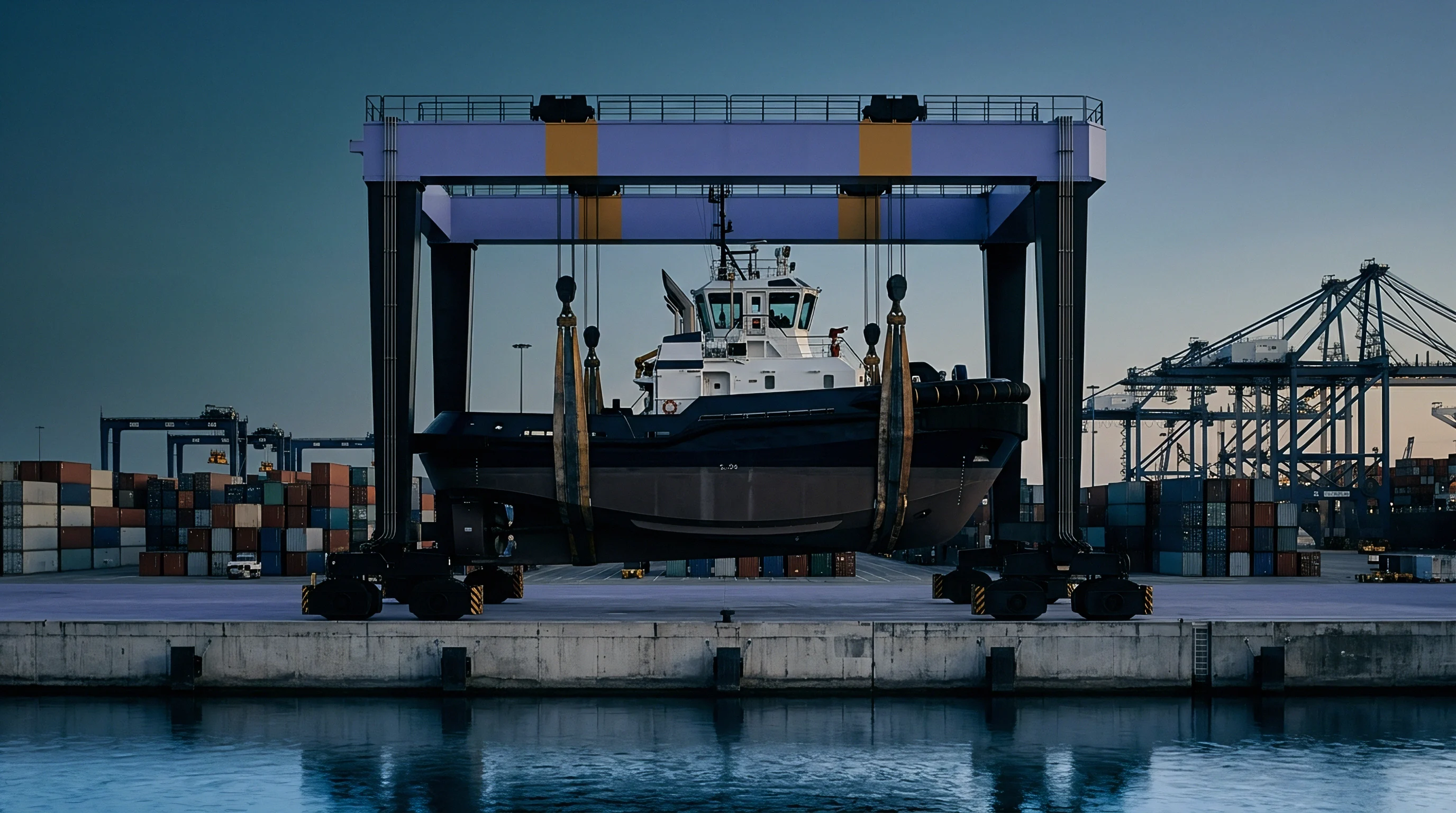
A heavy gantry crane suspends a painted steel tugboat above a concrete terminal surrounded by shipping containers at dusk.

Analysis

Extreme weather triggered the current backup. Typhoons across southern and eastern China forced marine terminals to halt operations, backing up vessels at anchorage. Delays in North Asia quickly ripple down global routes, pushing back arrivals and throwing off planned sailing schedules.

Even a short port closure doesn’t stop incoming cargo arriving by rail and road, which stacks up in storage yards and slows terminal cranes once work resumes. That mismatch between landside handling and ship arrivals drags out the bottleneck. With vessels stuck waiting for berths, carriers have to deploy more ships to move the same volume of cargo, effectively absorbing the industry’s excess capacity.

For procurement teams, this directly drives up blank sailings as carriers cancel departures when assigned vessels get tied up elsewhere.
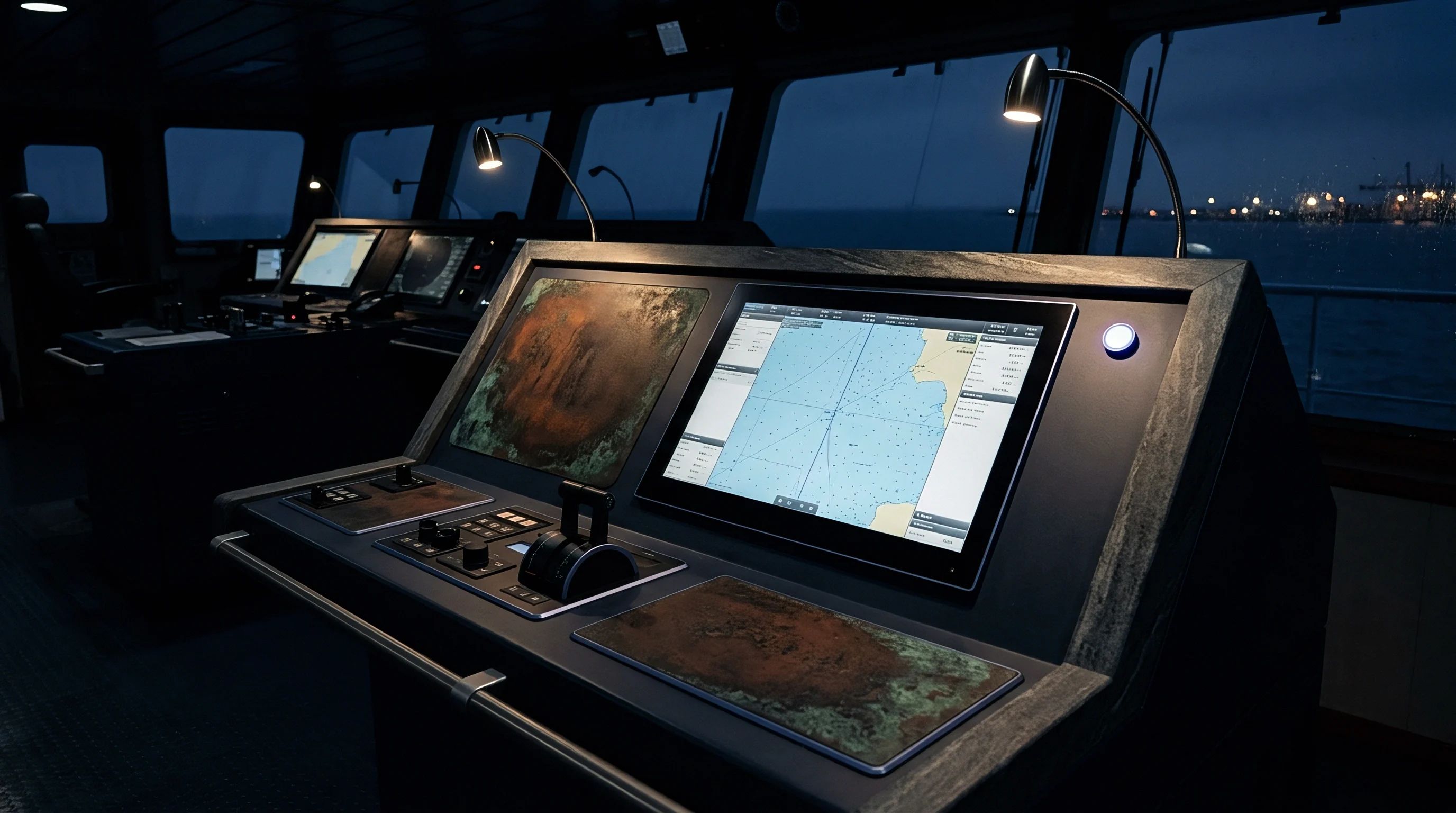
Marine navigation electronics and digital chart displays illuminate a dark ship bridge overlooking coastal waters during evening operations.

Parameters

  • Stranded vessel capacity ~ 4.31 million twenty-foot equivalent units of container capacity are currently delayed at global ports.
  • Fleet impact ~ 12.6 percent of the active global container fleet is idled by these terminal delays.
  • Previous record ~ 4.00 million twenty-foot equivalent units was the previous peak delay recorded during the pandemic in 2022.
  • Global fleet size ~ 34.4 million twenty-foot equivalent units represents the total active capacity of the world container fleet in 2026.
A glass and metal display case holds varied metal stock and precision-machined industrial parts on a dock.

Outlook

Sourcing desks should prepare for higher spot rates and tighter container availability on transpacific and transatlantic routes over coming quarters. The main signal to track is the weekly volume of blank sailings announced by carriers for September and October, which will show how long the capacity squeeze persists. Buyers should also keep an eye on weather maps and storms approaching Ningbo and Shanghai, as additional typhoons will extend recovery times for backlogged terminals.

A polished steel industrial pressure vessel featuring a heavy manual control valve sits staged within an active construction facility yard.

Verdict

Buyers should secure container space early and favor carriers with direct routings to bypass congested transshipment hubs.

Signal Acquired from: The Maritime Executive

Nomenclature

Maritime Logistics Risk

Logistical Threat ~ Potential disruptions within the sea based transport chain threaten the timely movement of goods between international ports.

Harbor Dwell Time

Operational Duration ~ Measured in hours or days, harbor dwell time tracks the period between a vessel arrival at a pilot station and the moment that ship weighs anchor to exit port limits.

Vessel Utilization

Capacity Measurement ~ Ratio measurements comparing the cargo volume actually carried to the total deadweight or slot capacity available on a ship define the efficiency of maritime assets.

Supply Chain Bottlenecks

Flow Restriction ~ Specific points of congestion in a production or distribution network where demand exceeds processing capacity create slowdowns in the movement of goods.

Container Backlog

Shipping Accumulation ~ Unfilled demand for maritime freight space occurs when the volume of goods awaiting transport exceeds the current handling capacity of vessels and terminals.

Marine Terminal Operations

Operational Cadence ~ Handling containerized freight through a physical waterfront gateway constitutes the structural core of marine terminal operations.

Maritime Transit Delays

Schedule Variance ~ Deviations from the planned arrival times of ocean going vessels disrupt the synchronization of global supply chains.

Spot Freight Rates

Market Price ~ Transactional charges for immediate cargo movement define this pricing mechanism.

Global Fleet Management

Operational Oversight ~ Corporate control of geographically dispersed mobile assets defines the discipline concerned with optimizing performance across international logistics networks.

Peak Season Shipping

Logistical Cycle ~ High demand volume within international transport networks dictates a predictable surge in freight movement that occupies specific calendar windows.

Container Shipping Delays

Transit Interruption ~ Delays in the arrival or departure of containerized cargo vessels resulting from congestion or equipment shortages disrupt the flow of the global logistics network.

Port Congestion

Systemic Bottleneck ~ Marine transit interruption occurs when vessel arrival volume exceeds the capacity of terminal infrastructure to process cargo, leading to extended wait times at anchorage or within berths.

What the firm knows, published

Expertise is a utility, not a secret. sentiention™ publishes its working knowledge as open reference: intelligence layer covering the materials it sources, the markets it enters, and the reference that serves both.