New US Rebar Tariffs Force Construction Supply Chain Realignment

Importers of steel reinforcing bar must quickly find domestic sources or alternative trade routes as tariff rates surge.


27.08.26 2 min

Briefing

The United States International Trade Commission issued a final affirmative injury determination on steel concrete reinforcing bar imports from Bulgaria, Egypt, and Vietnam. The decision locks in high anti-dumping and countervailing duties, forcing procurement teams to adjust supply chains and shift order books to domestic or allied suppliers. With duty rates reaching 136.57 percent, landed costs for affected imports will rise sharply.
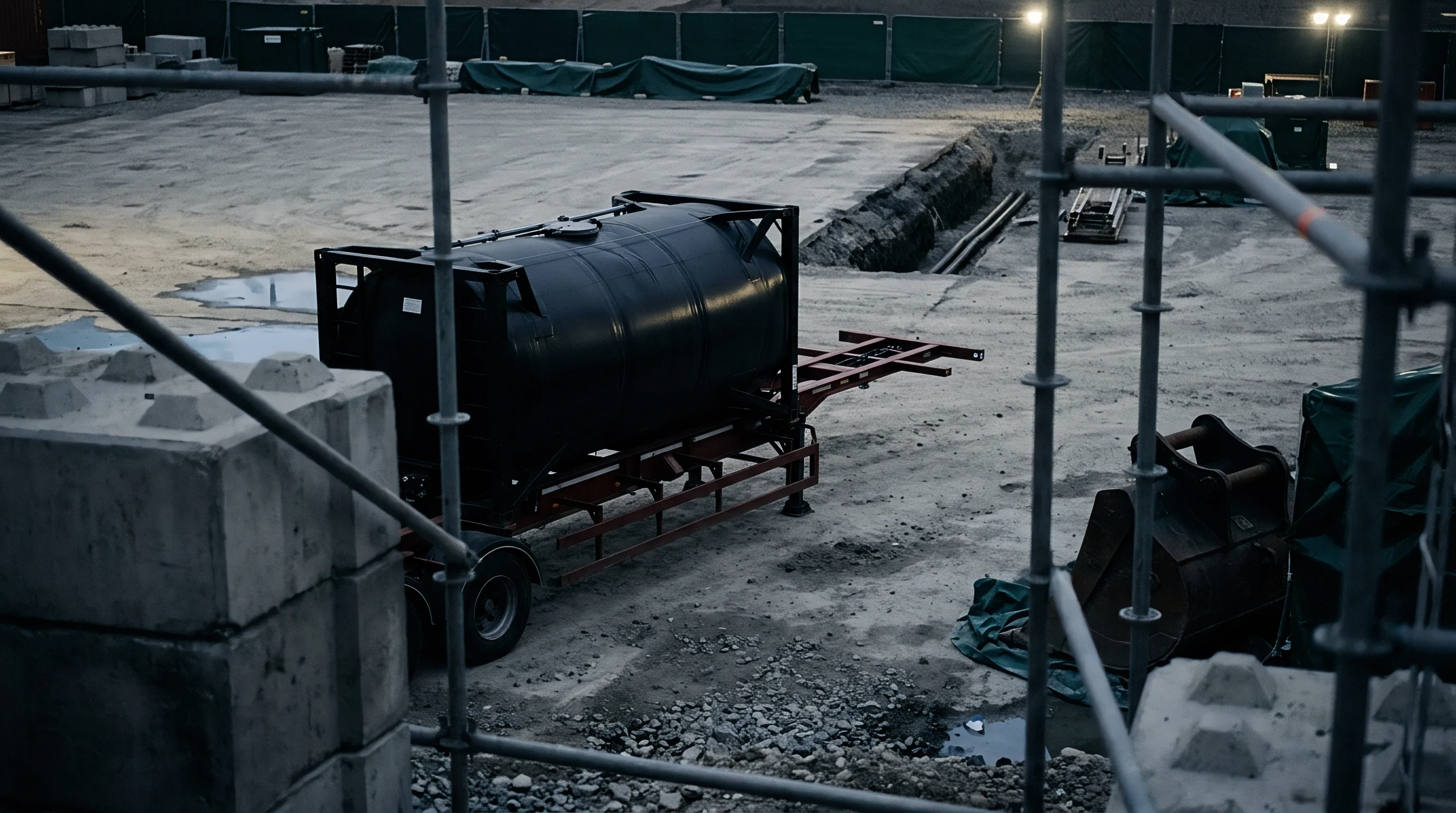
A heavy steel storage tank rests on an industrial trailer chassis within an active construction site yard.

Context

Over the past year, procurement desks tracked domestic producers’ trade cases against cheap foreign rebar. Buyers used imports from these three countries to cushion against rising US mill prices and tight domestic supply. The main question was whether the trade commission would block these imports completely or keep milder provisional tariffs.

A wooden timber winch and stacked quarried stone blocks rest on a concrete floor inside an industrial architectural interior.

Analysis

The ruling resolves months of uncertainty, converting temporary cash-deposit requirements at the border into permanent trade orders. Importers of record must post cash deposits at the port of entry equal to the combined duty margins. As buyers redirect orders to domestic mills, local supply will tighten, giving US producers added leverage in upcoming contract negotiations.

With dumping rates for Vietnam and Egypt reaching up to 136.57 percent ~ alongside a 6.80 percent countervailing duty on Vietnamese steel ~ mills from these countries are effectively priced out of the US market.

A heavy steel roller shutter door remains jammed above an excavated trench at a twilight construction site containing stacked industrial piping.

Parameters

  • Bulgarian dumping rates ~ A 52.80 percent final dumping margin applies to all Bulgarian producers of steel rebar.
  • Egyptian dumping rates ~ Final dumping margins start at 34.20 percent for Egyptian rebar shipments.
  • Vietnamese combined rates ~ Dumping margins reach 136.57 percent plus countervailing duty rates of 6.80 percent on Vietnamese rebar imports.
  • Department of Commerce duty range ~ Final dumping rates across all three nations span 34.20 to 136.57 percent.
  • Injury determination date ~ August 27, 2026, when the trade commission vote finalized the duty orders.

A digital render portrays a working canine standing atop an industrial testing enclosure surrounded by raw construction materials and structural steel.

Outlook

Buyers should monitor domestic rebar price indexes and mill lead times over the coming quarter. As regional supply tightens, US mills will look to raise base prices during autumn contract negotiations. Sourcing desks should also track import volumes from unaffected suppliers, particularly Mexico and Canada, to see whether those trade channels can absorb the shortfall.

Weathered stone masonry doorway fitted with a secure metal latch alongside a modern steel building exterior under overcast skies.

Verdict

Shift rebar procurement immediately to domestic or tariff-exempt allied mills to avoid severe cost penalties on upcoming shipments.

Signal Acquired from: Steel Market Update

Nomenclature

Metals Purchasing

Procurement Framework ~ Industrial procurement of refined non-ferrous and ferrous metals involves securing physical delivery through long-term off-take contracts or commodity exchange warrants.

Structural Steel Sourcing

Material Sourcing ~ Metal procurement constitutes an industrial purchasing discipline through which fabricators secure raw structural steel from global mills to feed heavy manufacturing lines.

Building Materials

Material Definition ~ Heavy construction inputs comprising structural steel, cement, aggregates, and dimensional timber form the physical foundation of civil infrastructure projects.

Construction Steel

Structural Baseline ~ Primary metallurgical reinforcement material possessing specific yield strength ratings governs load bearing calculations across civil and heavy industrial infrastructure projects.

Anti-Dumping Duties

Regulatory Scope ~ Government intervention measures are applied to foreign goods sold below their fair market value to prevent injury to domestic industries.

International Trade Policy

Regulatory Framework ~ Government statutes and administrative mandates define the formal boundaries for cross-border movement of commodities and services.

Trade Remedies

Remedial Action ~ Corrective commercial instruments offset the negative effects of unfair pricing or sudden surges in imports that threaten domestic industries.

Customs Compliance

Regulatory Duty ~ National border authorities mandate a structural adherence to import and export statutes which dictates the legal movement of goods across sovereign lines while ensuring the collection of accurate duties.

Supply Chain Risk Management

Structural Exposure ~ Operational vulnerability assessment governs the ongoing exposure evaluation of physical bottlenecks and tier supplier nodes across global freight networks.

Import Tariffs

Fiscal Charge ~ Border levied financial duties apply to the value or quantity of goods as they enter a national territory.

Countervailing Duties

Tariff Mechanism ~ Trade remedy import tariffs offset financial subsidies granted by foreign governments to their domestic exporting manufacturers.

Reinforcing Bar Procurement

Commercial Sourcing ~ Steel acquisition practice governs the purchase of structural metal utilized in construction engineering.

What the firm knows, published

Expertise is a utility, not a secret. sentiention™ publishes its working knowledge as open reference: intelligence layer covering the materials it sources, the markets it enters, and the reference that serves both.