Severe Chinese Port Congestion Delays Shipments by Ten Days

Typhoon delays at Shanghai and Ningbo push berthing waits to ten days, trapping eleven percent of global vessel capacity.
03.09.26 2 min

Briefing

Typhoon Saudel has severely disrupted operations across Shanghai and Ningbo, pushing vessel berthing delays out to ten days. For international procurement teams, the immediate fallout includes delayed finished-goods shipments, extended order lead times, and renewed rate volatility on transpacific lanes. Global port congestion now ties up approximately 3,920,000 TEU, representing 11% of the worldwide containership fleet.
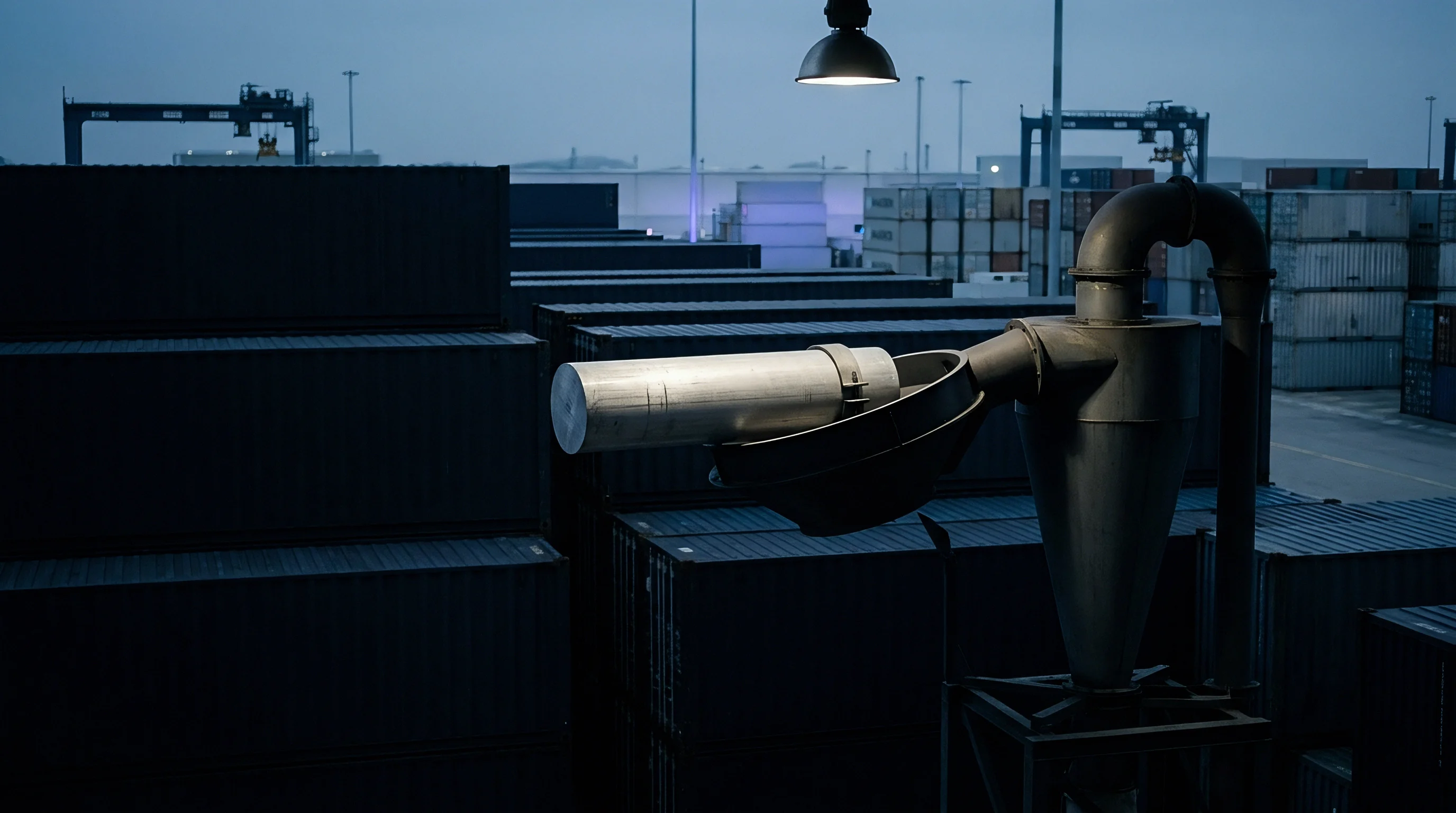
Metal extraction machinery processes a heavy cylindrical billet above stacked shipping containers inside a dim industrial freight terminal at evening.

Context

Procurement desks had been tracking whether transpacific freight rates would settle following the summer peak season. Many buyers were weighing whether to shift volume allocations from fixed-rate contracts to the spot market to capture savings. With newly built container tonnage entering service, the general expectation was that transit schedules would stabilize and shipping costs would trend downward.
Industrial steel storage racks and a conveyor system sit on a fractured concrete floor inside a logistics facility.

Analysis

Successive severe weather systems culminating in Typhoon Saudel triggered multiple terminal shutdowns across Shanghai and Ningbo-Zhoushan. Restarting operations created an immediate bottleneck of queued vessels. These delays quickly cascade through trade lanes: ships miss their destination arrival windows, forcing carriers to omit port calls and blank subsequent sailings.

For cargo owners, inbound lead times are stretching, while the sudden contraction of effective vessel space keeps transpacific spot rates elevated.
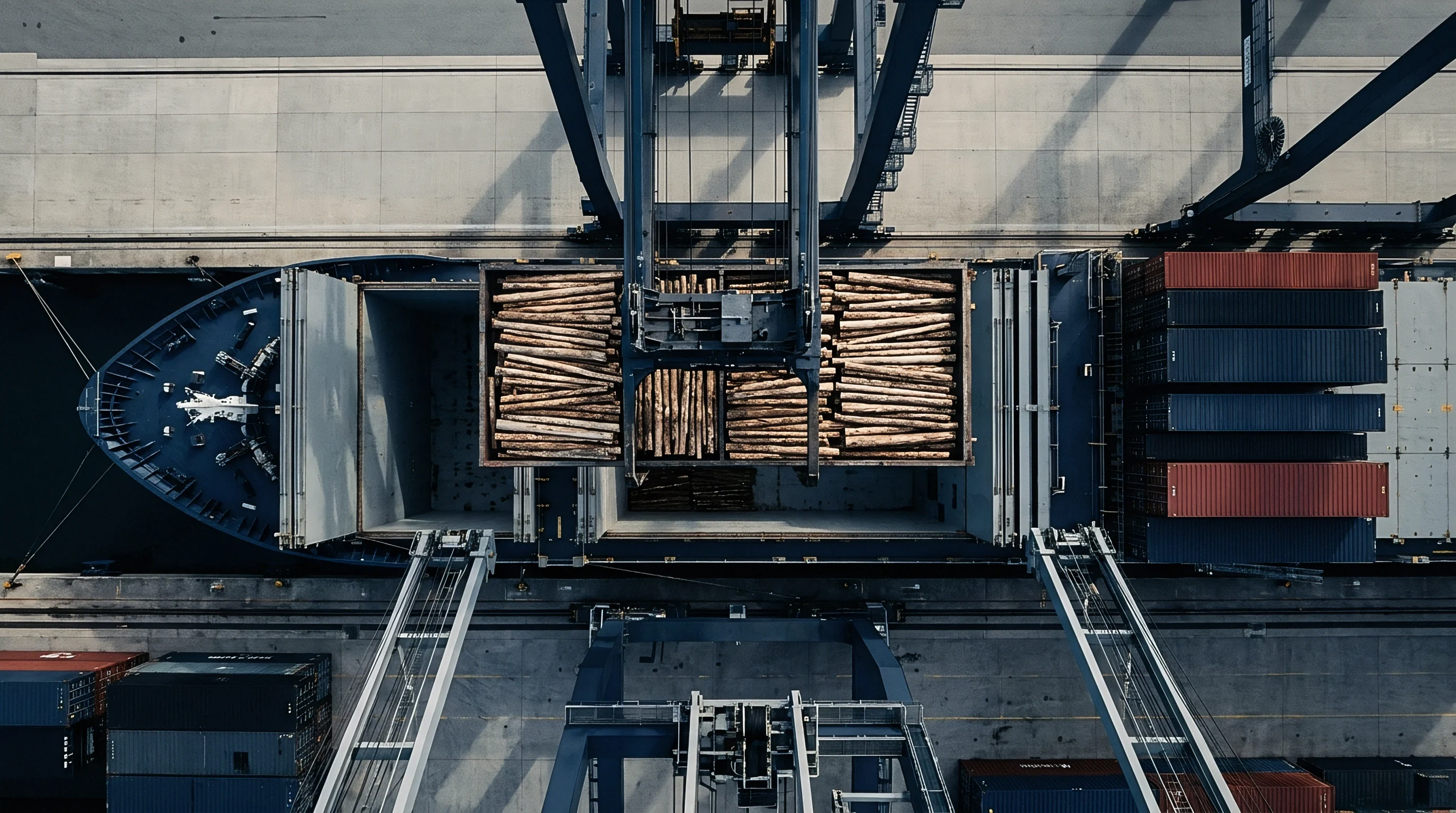
A gantry crane suspends bundles of raw timber logs above an open cargo hold of a bulk carrier docked at a concrete terminal.

Parameters

  • Berthing Delay ~ Ten days of waiting time for vessels to secure a berth in Shanghai and Ningbo.
  • Stranded Container Capacity ~ 3,920,000 TEU currently held up by global port logjams.
  • Global Fleet Share ~ 11% of the total global container fleet immobilized by current congestion.
  • North Asian Concentration ~ 54% of global container port congestion located in North Asian waters.
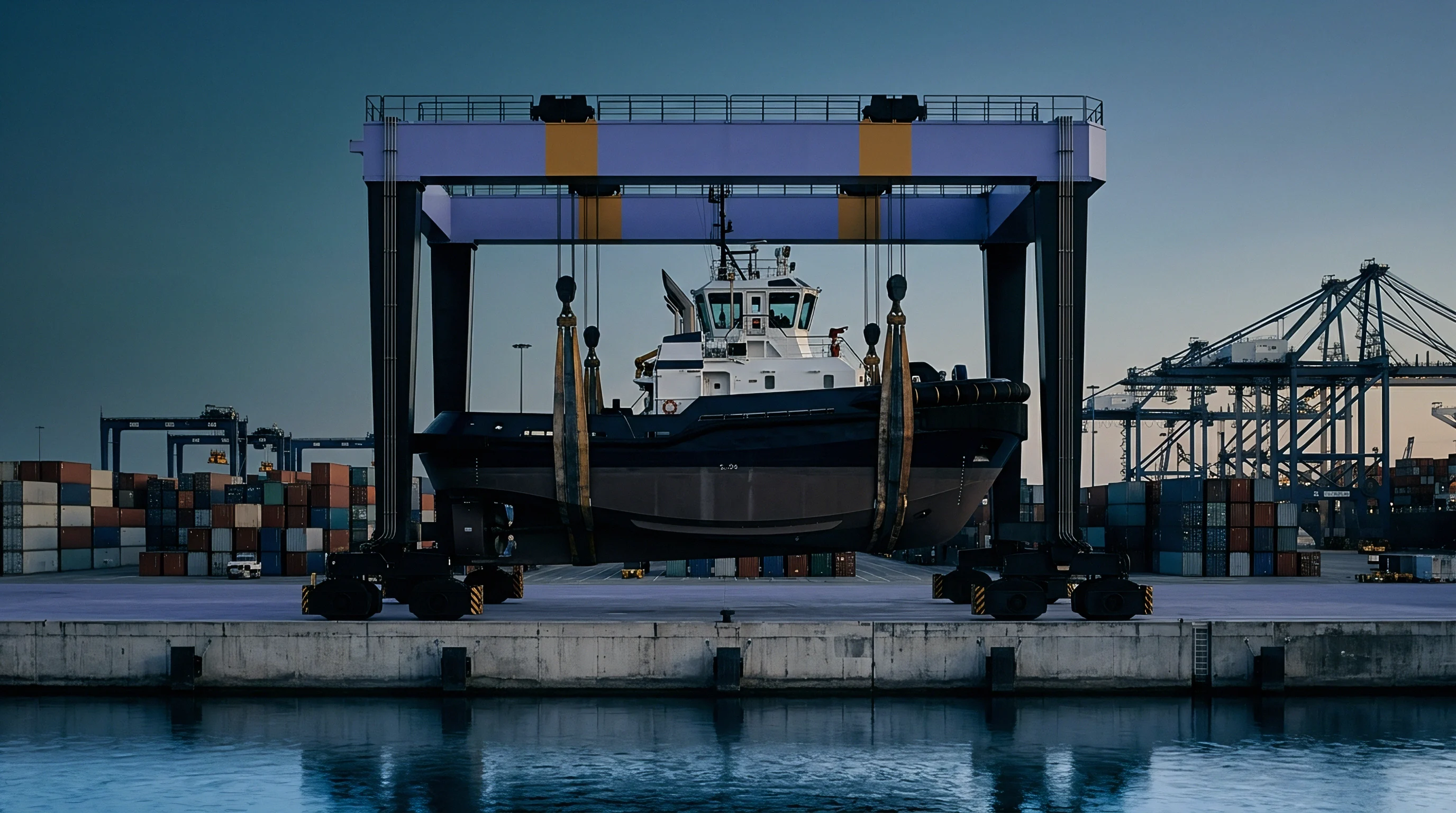
A heavy gantry crane suspends a painted steel tugboat above a concrete terminal surrounded by shipping containers at dusk.

Outlook

Backlogs across East China are expected to drag on vessel schedules and equipment availability through the remainder of the quarter. In the coming weeks, procurement desks should track transpacific spot indices to see if reduced active capacity sparks a fresh rate rally. If spot rates fail to ease during this post-peak window, port congestion will effectively counteract the deflationary impact of incoming vessel deliveries.
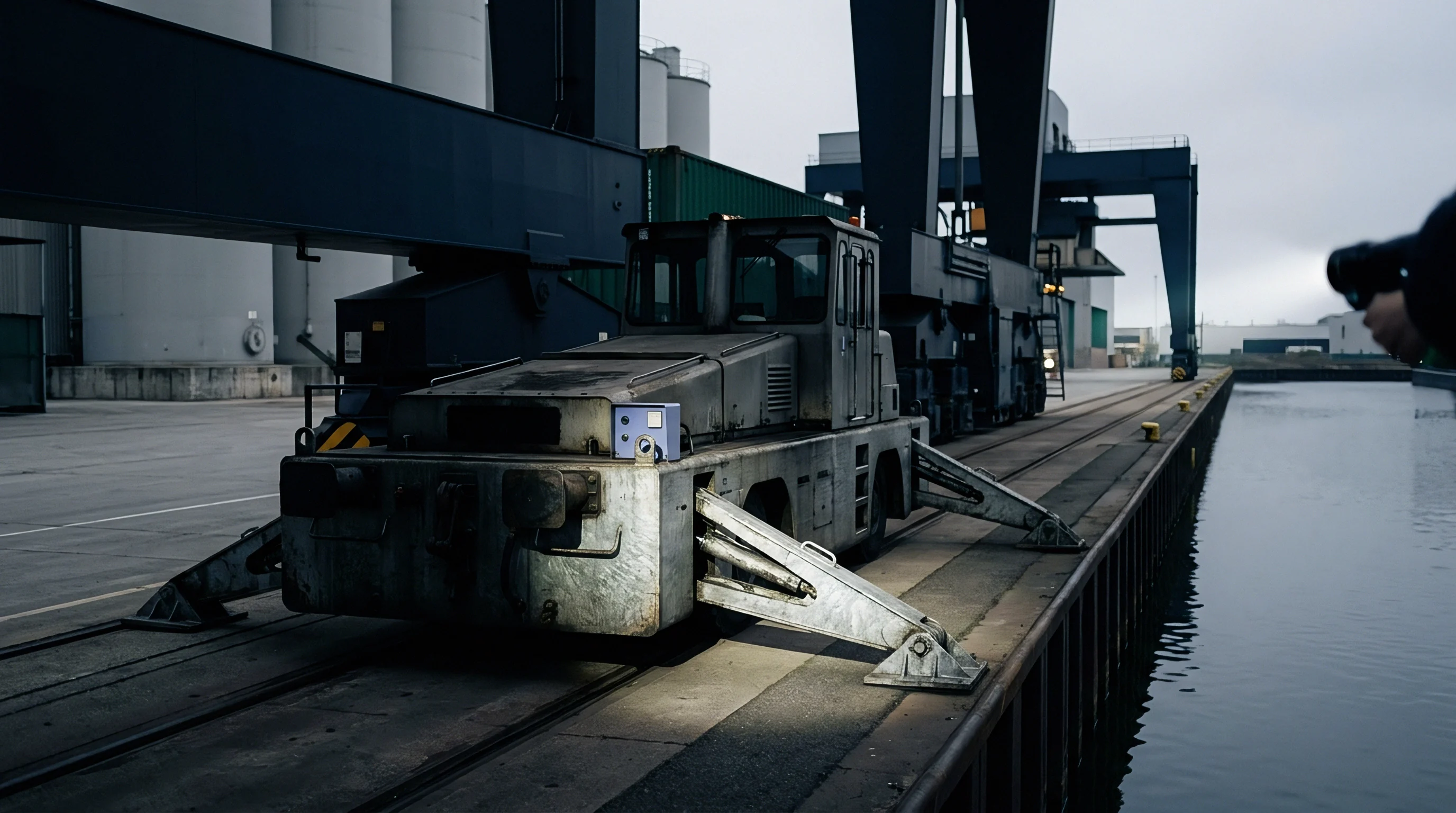
A heavy industrial rail shunting vehicle rests on tracks beside a concrete quay wall and an urban waterway at a freight terminal.

Verdict

Supply chain managers should add a ten-day lead-time buffer to all shipments originating from North Asian ports to absorb the impact of regional congestion.

Signal Acquired from: The Loadstar

Nomenclature

Terminal Yard Occupancy

Utilization Metric ~ Operational status metrics measuring container storage density within port facilities determine marine terminal fluid throughput capacity.

Port Congestion

Systemic Bottleneck ~ Marine transit interruption occurs when vessel arrival volume exceeds the capacity of terminal infrastructure to process cargo, leading to extended wait times at anchorage or within berths.

Transpacific Trade Routes

Corridor Volume ~ Maritime shipping lanes connecting Asian manufacturing hubs with North American consumer markets carry the highest container trade volumes in global ocean logistics.

Fleet Capacity Lockups

Operational Retention ~ Commercial vessel availability is constrained when charterers and logistics managers execute fleet capacity lockups to secure dedicated marine transport over extended periods.

Maritime Supply Chain

Ocean Network ~ Global infrastructure comprising ports, vessels, and shipping lanes facilitates the movement of the vast majority of international trade.

Cargo Logistics Planning

Operational Architecture ~ Transportation management procedures determine the routing, scheduling, and asset deployment required to move physical freight through global intermodal networks.

Blank Sailings

Service Withdrawal ~ The intentional cancellation of scheduled ocean transport services allows carriers to manage vessel capacity and stabilize freight rates during periods of low demand.

Typhoon Shipping Delays

Maritime Disruption ~ Seasonal meteorological events generate severe congestion across major container arteries when vessels wait for berth clearance after harbor closures.

Vessel Berthing Delays

Port Waiting ~ Periods where a ship must wait at anchor because a dock is occupied or a terminal is too congested represent a loss of efficiency for the entire supply chain.

Spot Rate Pressure

Pricing Volatility ~ Short-term commercial pricing forces exert immediate upward or downward momentum on unscheduled transactional freight quotes across global shipping networks.

Marine Cargo Delays

Schedule Disruption ~ Discrepancies between published vessel arrival schedules and actual berth positioning disrupt global container shipping timelines.

Containership Scheduling

Berth Allocation ~ Berth allocation governs the chronological assignment of maritime terminal infrastructure to incoming vessels based on draft limits, crane productivity rates and tidal constraints.

What the firm knows, published

Expertise is a utility, not a secret. sentiention™ publishes its working knowledge as open reference: intelligence layer covering the materials it sources, the markets it enters, and the reference that serves both.